
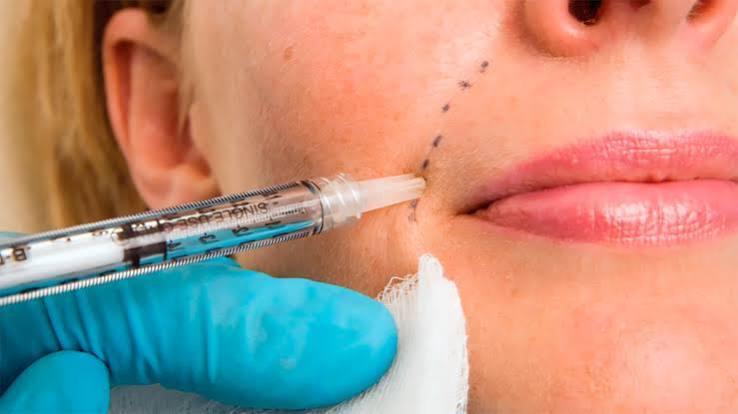

Dermal fillers are popular non-surgical cosmetic treatments designed to restore facial volume, soften wrinkles, enhance facial contours, and improve overall skin appearance. As the skin naturally ages, it gradually loses collagen, elastin, and hyaluronic acid, which can contribute to fine lines, sagging, and changes in facial structure. Dermal fillers offer a way to address some of these changes without undergoing surgery.
Understanding what dermal fillers are, how they work, the different types available, and what to expect during treatment can help individuals make informed decisions about their aesthetic goals. While these treatments are commonly used to enhance facial features, their suitability depends on individual anatomy, skin condition, and professional assessment.
What Are Dermal Fillers?
Dermal fillers are injectable substances used beneath the skin to restore lost volume, smooth certain wrinkles, and enhance specific facial features. They are commonly applied to areas such as the cheeks, lips, chin, jawline, and around the mouth.
Unlike treatments that focus primarily on relaxing facial muscles, dermal fillers work by adding volume to targeted areas. This can help improve facial balance, reduce the appearance of certain folds, and create a more refreshed appearance.
Most modern dermal fillers are made from substances that are naturally present in the body or materials designed to be compatible with human tissues. Hyaluronic acid is one of the most widely used ingredients because it can attract and retain water, helping create a hydrated and fuller appearance.
Dermal fillers are not intended to change someone's entire appearance. Instead, they are generally used to enhance existing facial features while maintaining natural-looking proportions.
How Do Dermal Fillers Work?
Dermal fillers work by injecting a carefully selected substance into specific areas beneath the skin. Depending on the product, injection depth, and treatment location, the filler may provide immediate volume, improve facial contours, or support areas affected by age-related volume loss.
Restoring Lost Facial Volume
One of the primary functions of dermal fillers is to replace volume that diminishes over time. Aging, genetics, and changes in facial fat distribution can cause certain areas to appear hollow or less defined.
Fillers can help restore fullness to the cheeks, temples, and other areas where volume loss may affect facial appearance. By supporting these areas, treatment may create a smoother and more balanced facial profile.
Smoothing Wrinkles and Facial Folds
Certain wrinkles and folds develop because of reduced skin elasticity, volume loss, and repetitive facial movements. Dermal fillers can soften some of these lines by adding volume beneath the skin.
Common treatment areas include nasolabial folds, which extend from the sides of the nose toward the corners of the mouth, and marionette lines, which appear around the lower mouth.
The results depend on the depth and cause of the wrinkles, as well as the type of filler selected.
Enhancing Facial Features
Dermal fillers can also be used to improve the definition of specific facial features. For example, lip fillers may enhance lip volume and shape, while chin and jawline fillers can help improve facial proportions.
Cheek fillers may provide additional definition to the midface, creating a more structured appearance. The objective is to achieve facial harmony rather than excessive enhancement.
What Are the Different Types of Dermal Fillers?
Several types of dermal fillers are available, and each has different properties, applications, and expected longevity.
Hyaluronic Acid Fillers
Hyaluronic acid fillers are among the most commonly used dermal fillers. Hyaluronic acid is naturally found in the body and plays an important role in maintaining hydration and supporting skin tissues.
These fillers are frequently used for lip enhancement, cheek volume restoration, wrinkle reduction, and facial contouring. Depending on the specific product and treatment area, results may last several months to over a year.
Many hyaluronic acid fillers can also be dissolved using an enzyme called hyaluronidase when clinically appropriate, although reversal is not guaranteed to eliminate every complication.
Calcium Hydroxylapatite Fillers
Calcium hydroxylapatite fillers contain microscopic particles suspended in a gel. They are often used to address deeper wrinkles, restore volume, and improve facial contouring.
In addition to providing immediate volume, certain calcium hydroxylapatite formulations may stimulate the body's natural collagen production. This can contribute to longer-term improvements in skin support.
Poly-L-Lactic Acid Fillers
Poly-L-lactic acid is a biocompatible synthetic material that works gradually by stimulating collagen production. Unlike fillers that primarily create immediate volume, these treatments encourage the skin to develop additional structural support over time.
They may be considered for individuals experiencing facial volume loss, although multiple treatment sessions are often necessary to achieve the desired results.
Which Areas of the Face Can Be Treated?
Dermal fillers can be used in different facial areas depending on the individual's concerns and the practitioner's assessment.
Common treatment areas include:
-
Lips: Improve volume, shape, symmetry, and definition.
-
Cheeks: Restore fullness and enhance midface contours.
-
Chin: Improve projection and facial proportions.
-
Jawline: Create greater definition along the lower face.
-
Nasolabial folds: Soften folds extending from the nose to the mouth.
-
Marionette lines: Reduce the appearance of lines around the lower mouth.
-
Under-eye area: Address selected cases of hollowness, although this area requires particular expertise and careful patient selection.
Not every facial area is suitable for filler injections. Treatment planning should consider skin thickness, blood vessels, facial anatomy, and the potential risks associated with each location.
What Happens During a Dermal Filler Treatment?
A dermal filler appointment generally begins with a consultation. The practitioner evaluates facial anatomy, discusses the patient's concerns, reviews medical history, and determines whether filler treatment is appropriate.
The treatment area may be cleaned, and a topical numbing cream or another anesthetic method may be used to improve comfort. Some filler products also contain lidocaine, which helps reduce discomfort during injection.
The filler is then administered using a needle or cannula, depending on the treatment area and technique. The practitioner may make small adjustments to achieve the desired distribution and contour.
Most appointments take approximately 30 to 60 minutes, although the duration varies according to the number of areas being treated and the complexity of the procedure.
After treatment, mild swelling, redness, tenderness, or bruising may occur. These effects are generally temporary, but patients should follow their practitioner's aftercare instructions and seek medical attention if they experience concerning symptoms.
How Long Do Dermal Filler Results Last?
The longevity of dermal fillers depends on several factors, including the type of filler used, the treatment area, the patient's metabolism, and the amount of product injected.
Hyaluronic acid fillers may last anywhere from six months to 18 months or longer in certain areas. Fillers used in areas with frequent movement, such as the lips, may break down more quickly than fillers placed in less mobile areas.
Other types of fillers that stimulate collagen production may provide results lasting longer, depending on the formulation and treatment plan.
Regular follow-up appointments can help evaluate the results and determine whether additional treatment is necessary. However, repeated treatments should be based on individual needs rather than a fixed schedule.
Are Dermal Fillers Safe?
Dermal fillers are generally considered safe when administered by a qualified and experienced medical professional using approved products and appropriate techniques. However, like any medical procedure, they carry potential risks.
Common temporary side effects include:
-
Swelling around the injection site
-
Bruising and redness
-
Tenderness or mild discomfort
-
Temporary lumps or unevenness
-
Itching or sensitivity
More serious complications, although uncommon, may include infection, allergic reactions, or accidental injection into a blood vessel. Vascular occlusion can restrict blood flow and potentially cause tissue damage or, in rare cases involving certain facial blood vessels, vision loss.
This is why choosing an experienced practitioner with a thorough understanding of facial anatomy is essential. Patients should discuss their medical history, allergies, previous cosmetic treatments, and expectations before undergoing any procedure.
Who Is a Suitable Candidate for Dermal Fillers?
Dermal fillers may be suitable for adults who want to address facial volume loss, improve the appearance of certain wrinkles, or enhance facial contours without surgery.
A suitable candidate should have realistic expectations and understand the benefits, limitations, and potential risks of treatment. Individuals with active skin infections in the treatment area or certain medical conditions may need to postpone treatment or explore alternative options.
A professional consultation helps determine whether dermal fillers are appropriate and which treatment approach may provide the most suitable results.
Conclusion
Dermal fillers are versatile cosmetic treatments that can restore facial volume, soften wrinkles, enhance lips, and improve facial contours. By using different filler materials and injection techniques, practitioners can address various aesthetic concerns while maintaining natural facial proportions. Understanding how dermal fillers work, their potential benefits, and their associated risks is an important part of making an informed decision.
For individuals considering facial rejuvenation, consulting an experienced aesthetic practitioner such as Dr Hussam Abbadi can help determine the most appropriate treatment plan based on their facial anatomy and goals. Those exploring Dermal Fillers in Dubai should prioritise professional assessment, personalised treatment planning, and safety to achieve balanced and natural-looking results.


