
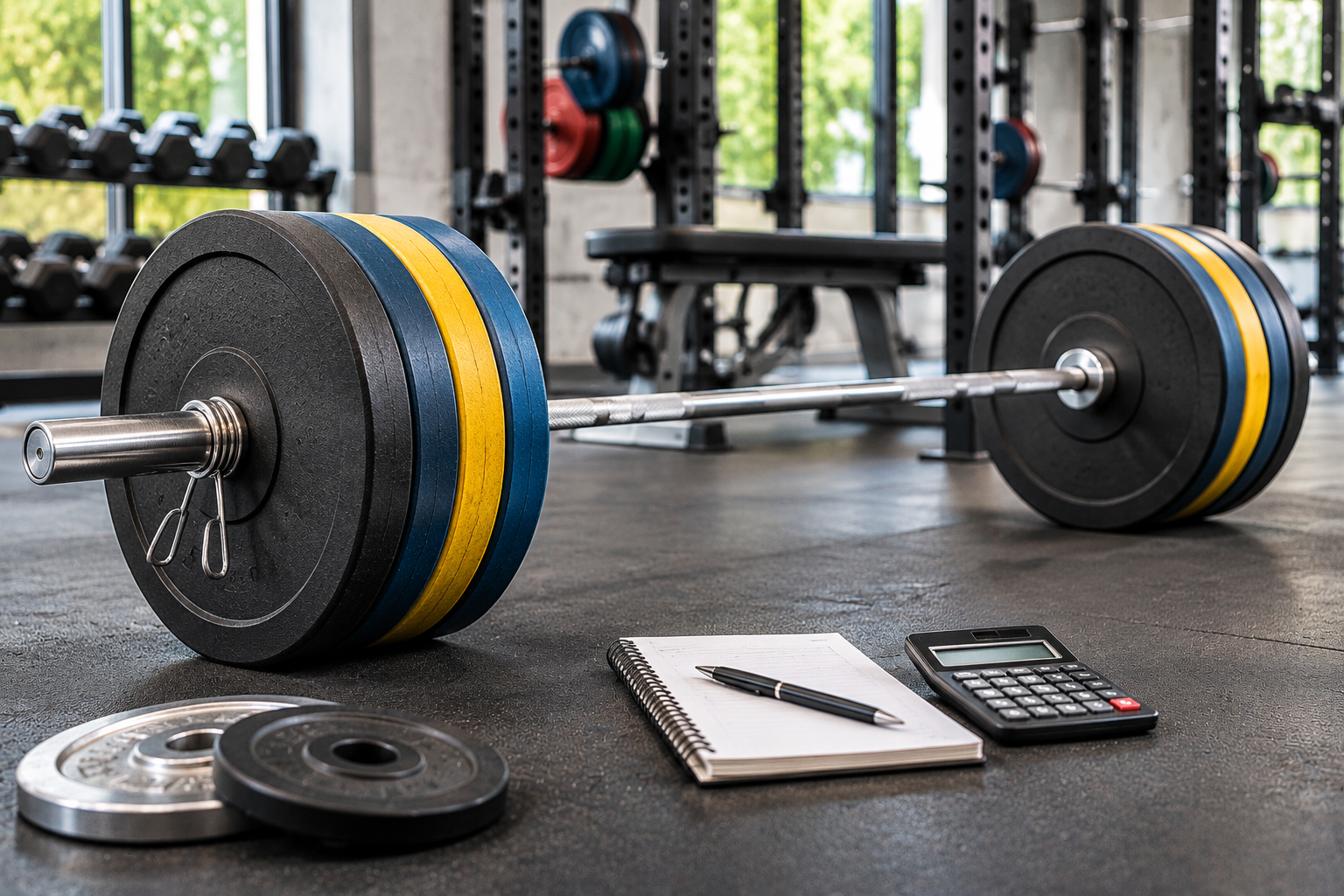

Your one rep max is the heaviest weight you can lift once with good form. It sounds like a trophy number, but its real value is quieter: it is the reference point that turns guessing into programming, because almost every sensible training weight is a percentage of it.
Testing it directly is only one way to find it, and often not the smartest. The one rep max calculators and training tools at One Rep Max Calculators estimate it from the reps you already do, and this article covers how to use the number well once you have it.
Why the Number Matters
Percentages only work when they point at something real. A programme that says work at eighty percent means nothing until the max is known, and it means the wrong thing when the max is a fantasy from three years ago.
The number also tracks progress honestly. Adding two kilos to a true max over a training block is real progress, even when the mirror and the scale refuse to comment. Lifters who test or estimate regularly always know where they stand; lifters who guess find out on the platform, which is the expensive classroom.
Estimating Beats Testing, Most Days
A true one rep attempt costs recovery, carries the highest injury risk in the gym, and often measures your courage and your spotter more than your strength. An estimate from a hard set of three to five reps lands within a few percent for most lifters, and you can take one any week without wrecking the next one.
Estimates also behave better across exercises. Deadlift estimates from five reps are dependable; bench press estimates from eight are respectable; beyond ten reps the formulas drift, because endurance starts voting louder than strength.
Re estimate after each training block, not each session. The number should move like a glacier in the right direction, not flicker with sleep, mood, and caffeine.
Testing Day, Done Properly
Sometimes a real test is the point: before a competition, after a long focused block, or to close a training year with a fact. Then treat it like an event. Sleep, food, and timing are planned, attempts are chosen in advance, and form decides whether a lift counts, not enthusiasm.
Warm up in small jumps with long rests, and take at most three genuine attempts. The classic mistake is spending the max on the road to the max: five heavy near misses leave nothing for the lift that was supposed to matter.
A failed attempt is information, not a verdict. Note where it stalled, because the sticking point is tomorrow programme: weak off the chest, weak at the knees, or weak in the setup each ask for different work.
Training Percentages That Work
Most productive training lives between seventy and ninety percent. Below seventy, the weight builds skill, speed, and volume tolerance; between seventy five and eighty five, it builds strength you can repeat; above ninety, it teaches performance but taxes recovery like a test.
Beginners gain on almost anything and should live at the lower end, where form is built. Intermediates need the middle ranges organised in waves. Advanced lifters spend most time in the middle too, and visit the top rarely and deliberately.
Percentages are a map, not a command. A weight that should feel moderate but feels crushing is telling you the day max is lower, and smart lifters adjust the session instead of arguing with their own nervous system.
Different Lifts, Different Behaviour
The squat and deadlift carry bigger numbers and bigger fatigue; their percentages should be handled conservatively, with deadlift work often lighter than the chart suggests because the cost per rep is so high.
The bench press tolerates frequency and rewards volume at moderate percentages. Overhead work is the humblest: small muscles, strict form, and maxes that move in one kilo steps. Use each lift own recent performance to set its percentages, never another lift ratios.
Accessory work needs no max at all. Rows, raises, and curls are chosen by feel and progression in reps, and forcing percentages onto them adds spreadsheets without adding strength.
Safety Is a Skill, Not a Mood
Every heavy lift deserves the same rituals: a checked setup, collars on the bar, a spotter or safety arms set at the right height, and a planned way to fail. Bailing out of a squat or bench press should be rehearsed before it is needed, the way fire drills happen before fires.
Pain is a stop signal, not a test of character. Sharp, joint, or one sided pain ends the lift; ordinary effort discomfort is the price of admission. Learning the difference early is worth more than any programme.
The Max Is a Tool, Not an Identity
Chasing the number for its own sake bends training around ego: too many heavy days, too little building work, and injuries collected like souvenirs. The lifters with the biggest maxes in five years are the ones who treated the number as information and trained patiently underneath it.
Write it down, date it, and let it organise your training. Then go back to the unglamorous work that actually moves it: consistent sessions, enough food, enough sleep, and technique that survives fatigue. The next test will take care of itself.


