
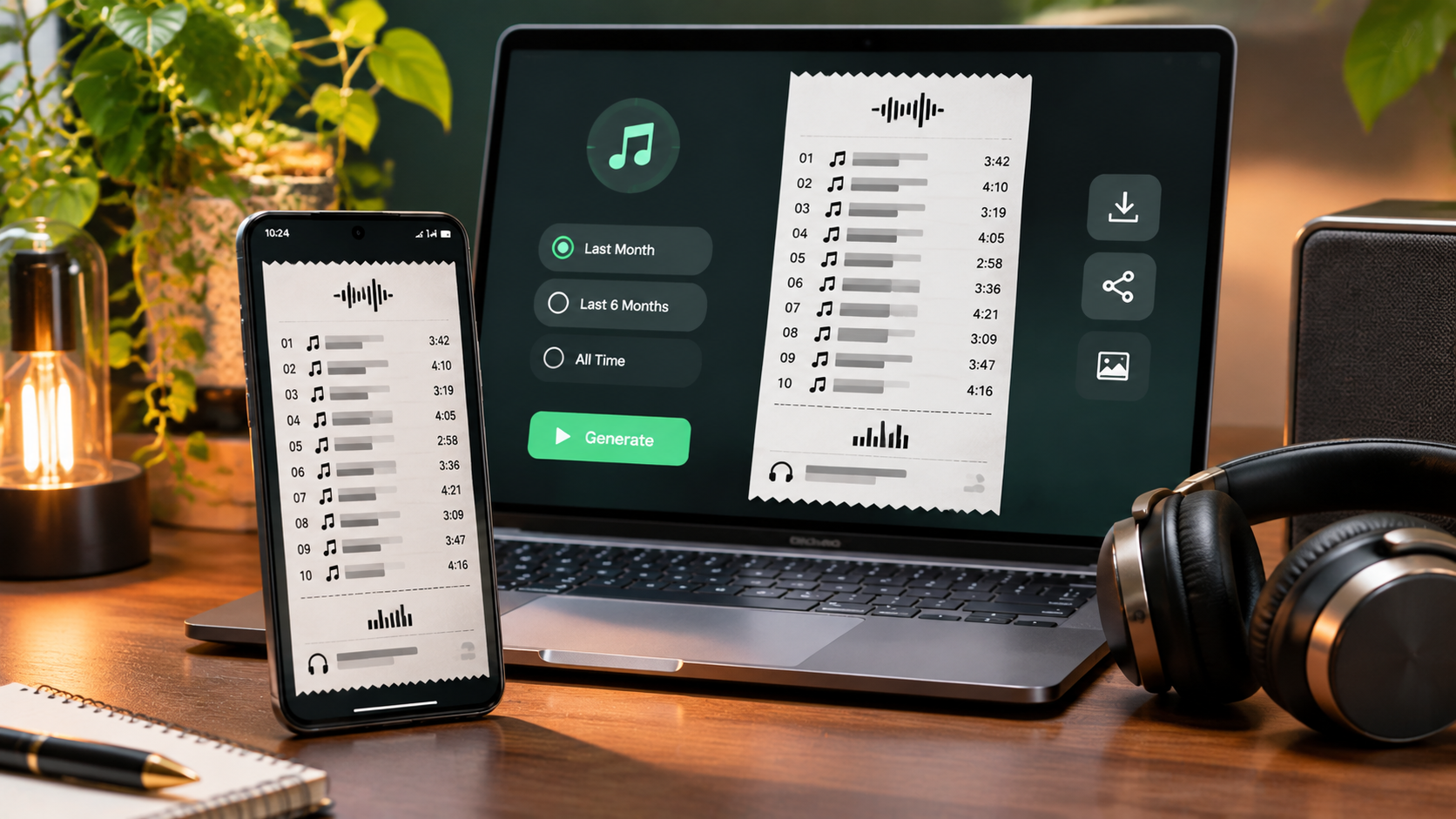

At the end of the year, your streaming history knows things about you that your diary does not. It knows which song carried you through a hard month, which artist became a habit, and exactly when your taste quietly changed direction.
Receiptify turns that history into a receipt: a neat, funny, shareable list of your top tracks and artists, printed like a store bill. The music receipt maker and listening habits guides at Receiptify Login explain how it works, and this article covers why the little receipt became such a durable idea.
A Receipt Is a Story in Disguise
A playlist shows what you saved. A receipt shows what you actually played, ranked by real listening, with quantities and totals like items you bought. The joke format works because the data underneath it is honest.
People share these receipts because they read like personality summaries. Ten lines of tracks say more about a year than a paragraph of resolutions: the workout phase, the heartbreak album, the month one song played forty times.
What the Numbers Actually Show
Your top track is rarely your favourite song; it is the song that fitted the most moments. Commutes, gym sessions, cooking, and late work all vote, and the winner is usually the track that offended nobody in your own head.
Artist totals reveal loyalty. Some listeners spread plays across hundreds of artists, while others give half their year to five names. Neither is better, but the pattern is a real fingerprint of how you listen: explorer or settler.
Time based receipts add the plot. A receipt from January and one from December rarely match, and the difference between them is the story of the year told in songs.
Why Sharing It Feels Good
Music taste is identity, but it is low risk identity. Sharing a receipt starts conversations that sharing opinions does not: friends compare totals, argue about rankings, and send each other the songs neither had heard.
The receipt format also travels well. It is one image, readable at a glance, funny without explanation, and it fits every social platform without cropping or context. Formats that survive are the ones that ask nothing of the viewer.
Making a Better Receipt
Connect the account you actually listen on, not the tidy one. A receipt built from a shared or family account tells the family story, which is fun in its own way but not yours.
Try different time windows. The all time receipt is your canon, the last month is your current chapter, and the short window often surprises you more because it catches obsessions before you noticed them yourself.
Save the image, not just the link. Receipts make excellent year markers in a photo library, and comparing three Decembers in a row is the kind of personal data that stays interesting.
Privacy, in Plain Terms
Receiptify works through the official sign in of your streaming service, and it reads listening data to build the image. It does not need your password typed into a random page, and you should never give it to one: always check that the sign in happens on the streaming service own page.
You can revoke access from your streaming account settings at any time. Making a receipt once does not create an ongoing feed of your habits to anyone.
Reading the Fine Print of Your Own Taste
Receipts expose patterns you would swear were not true. The artist you call a guilty pleasure often outplays the one you call your favourite, because favourites are about identity and plays are about Tuesday afternoons.
Genre totals settle arguments too. Many listeners discover their year was mostly one mood with short holidays from it. That is not a flaw; it is a map of what the year felt like, recorded by someone who was there for all of it: you.
Receipts as Time Capsules
Songs attach themselves to periods of life whether you plan it or not. A receipt freezes the attachment at the moment it was strongest, with dates implied by the ranking. Years later, the track list alone can rebuild a commute, a kitchen, or a person you used to spend time with.
That is why people keep them. Streaming services will always show you new music; only your own receipts show you the old listening, ranked and priced like groceries, exactly as the year delivered it.
Print one for a friend and the gift explains itself. It says you paid attention to what they actually love, not what they say they love, and attention is the rarest currency in any friendship.
Your Year, Itemised
There are heavier ways to review a year, and most of them never happen. A receipt takes a minute, makes you laugh, and quietly documents the soundtrack you actually lived with. Print yours, share it if you like, and keep it for the December when you want to hear this year again.


