
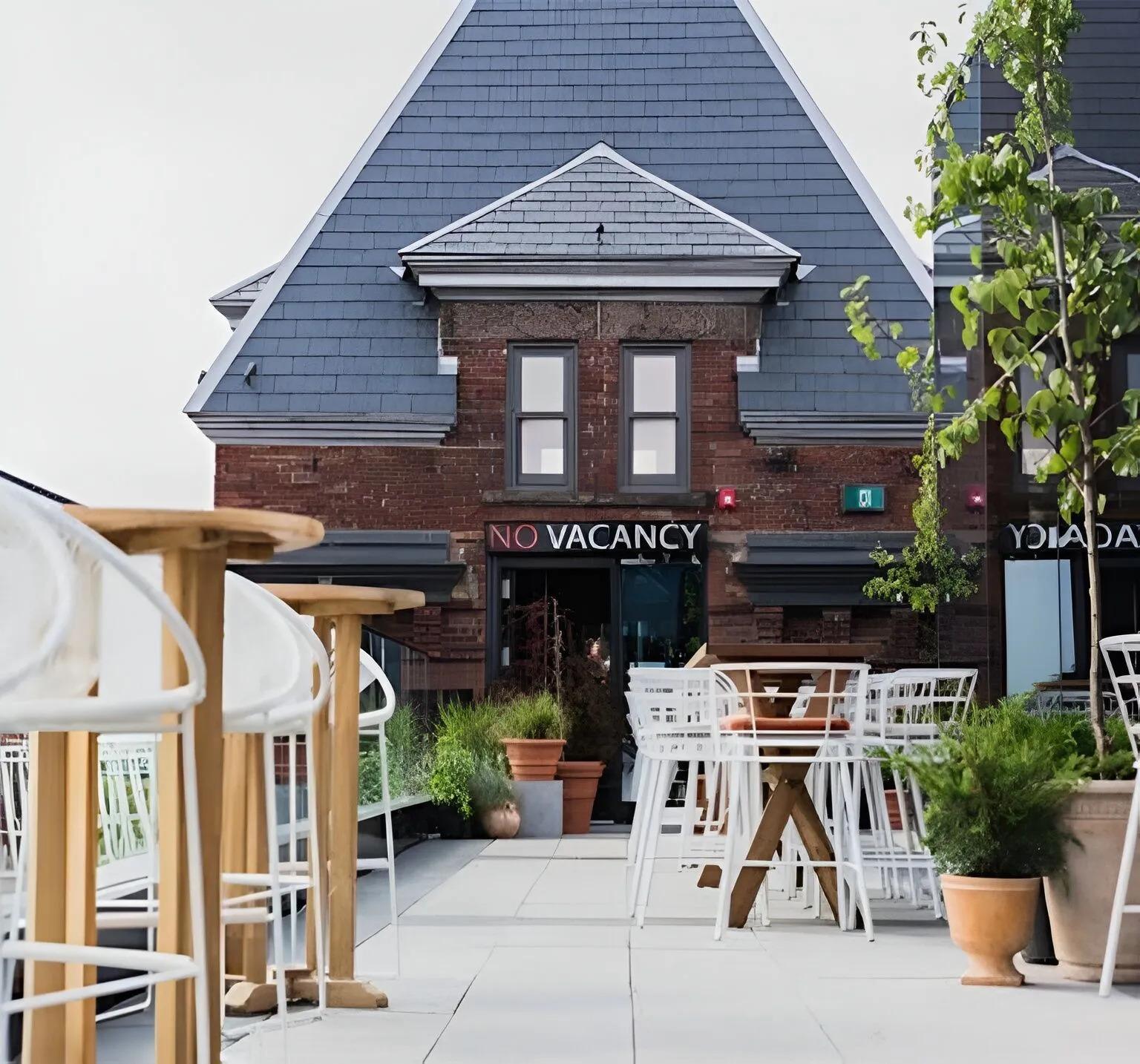
Understanding Natural Slate Roofing: Durability, Style, and Long-Term Value

Choosing a roofing material is a decision that can influence a building for decades. While asphalt shingles and other modern roofing products are common choices, natural stone continues to have a place in both traditional and contemporary architecture. Slate roofing is particularly known for its distinctive appearance, long service life, and ability to withstand demanding weather conditions.
For homeowners and property owners considering a long-term roofing solution, understanding how natural slate performs, what makes it different, and what should be considered before installation can make the decision much easier.
What Makes Natural Slate Different?
Natural slate is a fine-grained metamorphic stone that can be split into relatively thin pieces suitable for roofing. Because it comes directly from natural stone deposits, every piece has its own subtle characteristics in texture, color, and appearance. This gives a finished roof a character that manufactured roofing products cannot always reproduce.
Slate has been used as a roofing material for centuries. Depending on the quality and grade of the material, properly installed slate roofs can provide exceptionally long service lives. North Country Slate notes that slate is graded according to testing standards such as ASTM C 406, with S-1 slate offering a service life of more than 75 years.
Another important characteristic is its resistance to fire and water. Natural slate is non-combustible and has strong weather-resistant properties, making it suitable for buildings exposed to rain, snow, wind, and changing temperatures.
Choosing the Right Slate for a Project
Not all slate is identical. Its performance and appearance can vary depending on where it was quarried and its mineral composition. This is one reason selecting an appropriate material is important when planning a new roof.
Color is another consideration. Natural roofing slate can be found in shades including black, gray, green, purple, and red, with some varieties changing in appearance gradually as they weather. Homeowners can therefore choose a color that complements the architectural style of the property rather than treating roofing as purely functional.
The size and thickness of the material also influence the final appearance and overall roof weight. Standard roofing pieces can range from smaller formats to larger sizes, while thicknesses vary depending on the product and application.
Why Slate Tile Can Be a Long-Term Investment
One of the strongest arguments for natural slate roofing is longevity. A roof that remains functional for many decades can reduce the need for repeated replacement compared with materials that have shorter expected service lives.
A slate tile can also contribute to the architectural character of a property. Because slate is a natural material, slight differences between individual pieces create patterns and variations across the roof. Different sizes and colors can also be combined to produce distinctive designs.
However, longevity depends heavily on proper installation. Slate is not simply a material that can be installed using the same methods as ordinary asphalt shingles. The roof structure, fastening methods, flashing details, underlayment, and installation techniques all need to be appropriate for a slate system.
Weight Is an Important Consideration
One factor that should not be overlooked is weight. Natural slate is considerably heavier than many conventional roofing products, so the existing roof structure needs to be evaluated before installation.
The weight varies according to thickness. North Country Slate lists common slate thicknesses between 1/4 and 3/8 inch, with corresponding weights that can be substantial when calculated across an entire roofing area.
For buildings where structural limitations are a concern, lightweight slate systems can provide another option. These systems use genuine natural slate while reducing the overall weight of the roof through different installation methods and reduced slate overlap.
This can make it possible to consider the appearance and durability of natural slate in situations where a traditional heavy slate roof may require additional structural work.
Installation and Maintenance Matter
A quality slate roof depends on experienced installation. Slate pieces are generally fastened using appropriate roofing nails, and details around chimneys, dormers, valleys, and other areas require careful attention. Flashing and drainage components are also important for keeping water away from vulnerable areas.
Maintenance does not necessarily mean frequent major work. Instead, regular inspections can help identify loose, cracked, or missing pieces before they lead to water intrusion. Gutters and flashing should also be checked as part of routine roof maintenance.
Walking directly on a slate roof can cause damage, so inspections and repairs should be handled by professionals familiar with slate roofing techniques.
A Roof Designed for the Long Term
Natural slate is not the right choice for every building or budget, but its combination of durability, appearance, fire resistance, and longevity makes it a distinctive roofing material. A well-selected slate tile can become part of a roof system designed to serve a property for generations rather than simply for a few replacement cycles.
The key is to look beyond the initial material cost and consider the entire roofing system, including structural requirements, installation quality, maintenance, and expected service life. With the right material and experienced installation, natural slate can provide a durable and visually distinctive roof that stands the test of time.


