
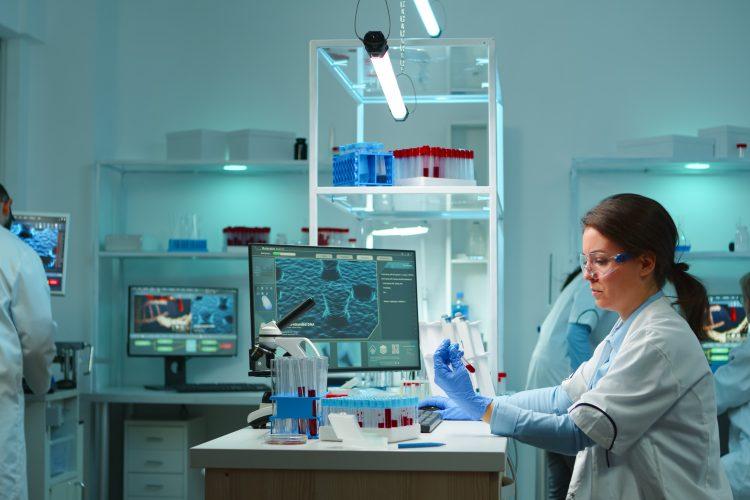
How Digital Transformation Is Changing Medical Laboratories

Medical laboratories play an essential role in modern healthcare by providing diagnostic information that supports disease detection, treatment decisions, and patient monitoring. However, traditional laboratory operations often depend on paper-based records, manual data entry, disconnected equipment, and time-consuming administrative procedures. As diagnostic requirements increase, these methods can make it difficult for laboratories to maintain efficiency, accuracy, and consistent service quality.
Digital transformation is changing how medical laboratories operate by introducing modern software, automated equipment, electronic records, and connected healthcare technologies. These solutions help laboratories manage information, coordinate testing activities, and improve access to diagnostic results. In Pakistan, where healthcare facilities are increasingly adopting digital systems, laboratory digitalization is becoming an important step towards improving diagnostic services and operational performance.
What Is Digital Transformation in Medical Laboratories?
Digital transformation in medical laboratories refers to the adoption of digital technologies to improve laboratory processes, information management, and service delivery. It involves replacing outdated manual procedures with integrated systems that make laboratory operations more organized and efficient.
This transformation includes laboratory management software, automated diagnostic equipment, electronic medical records, barcode-based sample tracking, cloud-based platforms, and artificial intelligence.
For example, instead of recording patient information in physical registers, a laboratory can use digital software to register patients, create test requests, track samples, generate reports, and maintain historical records.
The objective is not simply to introduce new technology. It is to connect different laboratory activities so that information can move accurately and efficiently throughout the testing process.
How Digital Transformation Is Changing Medical Laboratories
Digital technologies are influencing almost every stage of laboratory operations. From patient registration to final report delivery, modern systems are helping diagnostic facilities improve their workflows.
1. Moving from Paper Records to Digital Documentation
Traditional laboratories often maintain patient information, test requests, and diagnostic reports through physical documents. Managing these records can become difficult when information needs to be retrieved, updated, or shared.
Digital transformation allows laboratories to maintain electronic records through centralized software systems. Staff can access patient histories, previous test results, and investigation details without searching through physical files.
Digital documentation also reduces paperwork, improves information accessibility, and makes record management more organized. It helps laboratories maintain consistent documentation while reducing the risk of misplaced records.
2. Automating Laboratory Testing Processes
Laboratory automation is one of the most significant developments in modern diagnostic services. Automated analysers can perform different investigations with less manual intervention.
These instruments are commonly used in haematology, clinical chemistry, immunology, and other diagnostic areas. They can process multiple samples, standardize testing procedures, and transfer compatible results to connected information systems.
Automation reduces repetitive manual activities and helps laboratories manage increasing testing volumes. However, equipment calibration, quality control, and professional result verification remain essential.
3. Improving Sample Tracking and Identification
Sample identification is a critical part of laboratory operations. Incorrect labelling, misplaced specimens, or mismatched patient details can affect diagnostic reliability.
Digital technologies such as barcode systems help laboratories track samples throughout different testing stages. Each sample can be assigned a unique identification code that connects it with the relevant patient and test request.
Laboratory staff can use digital tracking to monitor sample registration, processing, testing, and reporting. This improves traceability and reduces dependence on handwritten labels and manual registers.
4. Faster Test Reporting and Result Delivery
Manual report preparation can create delays, particularly when laboratories process large numbers of investigations.
Digital laboratory systems simplify report generation by organizing test information and supporting the electronic transfer of results from compatible diagnostic instruments.
Once authorized personnel review and approve the findings, reports can be generated and made available through appropriate digital channels.
This helps reduce administrative delays and improves communication between laboratories, healthcare facilities, and patients.
5. Better Integration with Healthcare Systems
Medical laboratories do not operate independently. They exchange information with hospitals, clinics, pharmacies, and other healthcare departments.
Digital transformation makes it easier to connect laboratory systems with electronic health records and hospital management platforms.
For example, an authorized healthcare facility may send a digital test request to a laboratory. After testing is completed, the results can be transferred back to the relevant patient record through compatible systems.
This integration reduces repeated data entry, improves information sharing, and supports better coordination across healthcare services.
6. Improved Laboratory Management and Monitoring
Managing a diagnostic facility involves more than performing tests. Administrators must monitor daily workloads, pending investigations, staff activities, billing, and laboratory performance.
Digital management platforms provide access to operational information through centralized dashboards and reports.
Laboratory managers can review testing volumes, monitor pending reports, identify workflow delays, and evaluate operational performance. This information supports better resource planning and helps management identify areas that require improvement.
The Role of Artificial Intelligence in Digital Laboratories
Artificial intelligence is introducing additional opportunities for improving laboratory operations. AI-powered technologies can analyze large amounts of information, identify patterns, and assist with selected diagnostic and administrative tasks.
In digital pathology, image analysis tools can help identify specific patterns in laboratory images. In other laboratory settings, AI applications may support quality monitoring, flag unusual results, and assist with predictive equipment maintenance.
AI can also help identify inconsistencies in data and support workflow optimization.
However, these technologies should be used with appropriate validation and professional oversight. AI-generated findings should not replace established quality assurance procedures or qualified professional judgment.
Benefits of Digital Transformation for Medical Laboratories
Digital transformation offers several operational and service-related benefits.
-
Improved Efficiency: Digital workflows reduce repetitive administrative activities and simplify routine laboratory operations.
-
Better Data Accuracy: Automated information transfer and standardized documentation help reduce manual entry mistakes.
-
Faster Reporting: Electronic report generation and result sharing can reduce administrative delays.
-
Improved Record Management: Centralized digital records make patient information easier to retrieve and maintain.
-
Greater Traceability: Sample tracking and activity logs help laboratories monitor testing processes.
-
Better Resource Management: Operational dashboards provide useful information about workloads, pending tests, and laboratory performance.
These benefits depend on appropriate technology selection, effective implementation, and regular monitoring.
Challenges of Digital Transformation in Pakistan
Although digital transformation offers important advantages, Pakistani laboratories may face several challenges when adopting modern technologies.
High Implementation Costs
Laboratory software, automated equipment, networking infrastructure, and maintenance require financial investment. Smaller diagnostic facilities may find it difficult to adopt advanced systems immediately.
Limited Technical Expertise
Digital platforms and automated instruments require trained personnel. A shortage of technical expertise can create difficulties during installation, operation, and troubleshooting.
Data Security and Patient Privacy
Digital laboratories manage sensitive patient information. Weak passwords, unauthorized access, and inadequate backup procedures can expose records to security risks.
Facilities must establish appropriate access controls, secure storage, and data protection practices.
Resistance to Change
Employees who are familiar with traditional procedures may initially struggle with digital workflows. Training and gradual implementation can help make the transition easier.
How Medical Laboratories Can Start Their Digital Transformation
Laboratories do not need to modernize every process simultaneously. A structured approach can make digital transformation more practical.
First, facilities should evaluate existing workflows and identify operational problems such as manual registration, delayed reporting, and inefficient sample tracking.
Second, they should select suitable laboratory management software according to their testing requirements, operational size, and available budget.
Third, laboratories should consider integrating compatible diagnostic equipment with their digital systems to reduce manual data transfer.
Staff training, data security, and regular system maintenance should remain priorities throughout implementation.
Finally, laboratory managers should monitor performance indicators such as report turnaround time, sample identification errors, testing volumes, and operational costs to evaluate the impact of digital improvements.
Conclusion
Digital transformation is changing medical laboratories by improving how diagnostic information is collected, processed, stored, and shared. Laboratory automation, electronic records, barcode-based tracking, artificial intelligence, and integrated management systems are helping diagnostic facilities move away from disconnected manual processes towards more organized operations.
Although financial investment, technical expertise, and data security remain important considerations, laboratories can adopt digital technologies gradually according to their requirements. The integration of laboratory management software with modern diagnostic equipment can further improve operational coordination and information accuracy. Through lab management system offered by Instacare.com.pk, laboratories in Pakistan can explore better ways to manage diagnostic workflows, maintain patient records, and support the continued modernization of healthcare services.


