

Smartwatches offer many useful features, but a compatible smartphone application makes it easier to manage and access their full potential. A smart watch APP connects a wearable device to a smartphone, allowing users to synchronize activity records, customize supported settings, and manage selected notifications. This connection creates a more convenient experience for people who want to make wearable technology part of their everyday routines.
One of the main benefits of a smartwatch application is access to activity information. Depending on the connected device, users may be able to review daily steps, estimated distance, calorie expenditure, and exercise records. Keeping these details organized in one place helps people understand their movement habits and follow progress toward personal fitness goals. Regularly reviewing activity information can also encourage consistency and motivate users to maintain an active lifestyle.
Many companion applications provide access to general wellness information collected by compatible watches. Features may include heart-rate measurements, sleep records, blood oxygen estimates, and stress-related information. These functions can help users observe patterns in their daily routines and become more aware of their activity and rest habits. However, readings from consumer smartwatches are estimates, not medical-grade measurements. They should not be used to diagnose health conditions or replace professional medical advice.
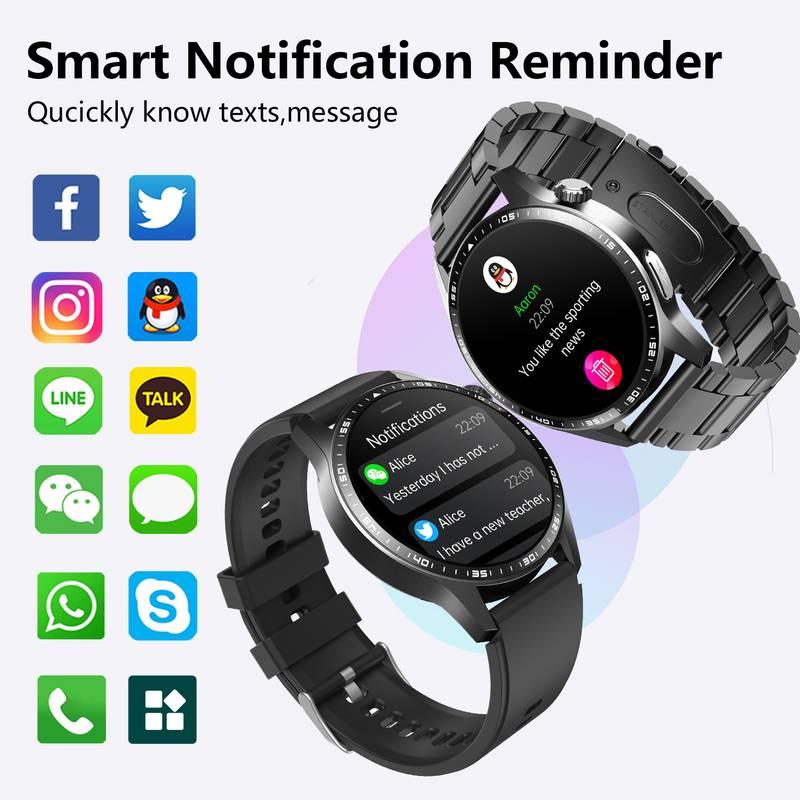
Notification management is another useful application feature. When the smartwatch and smartphone are properly connected, users may receive selected call, message, and application alerts on their wrists. This can be particularly convenient during work, travel, or exercise, when checking a phone repeatedly may interrupt an activity. Some compatible watches also support Bluetooth calling, music controls, and additional smartphone functions.
Personalization makes the connected experience more practical. Depending on the model and application, users may be able to adjust notification preferences, set activity goals, choose available watch faces, and manage certain device settings. These options help people configure their wearable devices according to their preferences instead of relying entirely on default settings.
Installing and connecting a smartwatch application is generally straightforward. Users should first identify the correct companion app specified in the watch's manual or official product information. After installing it on a compatible Android phone or iPhone, they can enable Bluetooth, open the application, and follow the pairing instructions. Certain features may require additional permissions, such as notification access or location access for device discovery.
Application compatibility is especially important when choosing wearable technology. Different brands and models may use different companion software, even when their watches offer similar features. For example, compatible Joeme models use Joeme Fit, while the F67 uses FitCloudPro. Checking the exact model requirements before installation helps prevent pairing problems and ensures access to supported functions.
A stable connection and updated software can improve the overall experience. If a watch fails to synchronize, users can check Bluetooth settings, application permissions, battery levels, and the distance between the devices. Restarting the smartphone and smartwatch may also resolve common connection issues. Following the manufacturer's troubleshooting instructions is recommended if the problem continues.
Battery management should also be considered when using connected features. Frequent notifications, continuous monitoring, and Bluetooth functions can increase power consumption. Users can adjust settings to keep only the features they regularly need active. This helps balance convenient access to information with practical battery performance.
A smartwatch application is an important part of modern wearable technology because it brings device settings, activity records, and supported smartphone features together. Choosing the correct software, confirming compatibility, and configuring the available options can help users enjoy a smoother experience. When properly connected, a smartwatch and its companion application can become a useful combination for everyday organization and activity awareness.


