
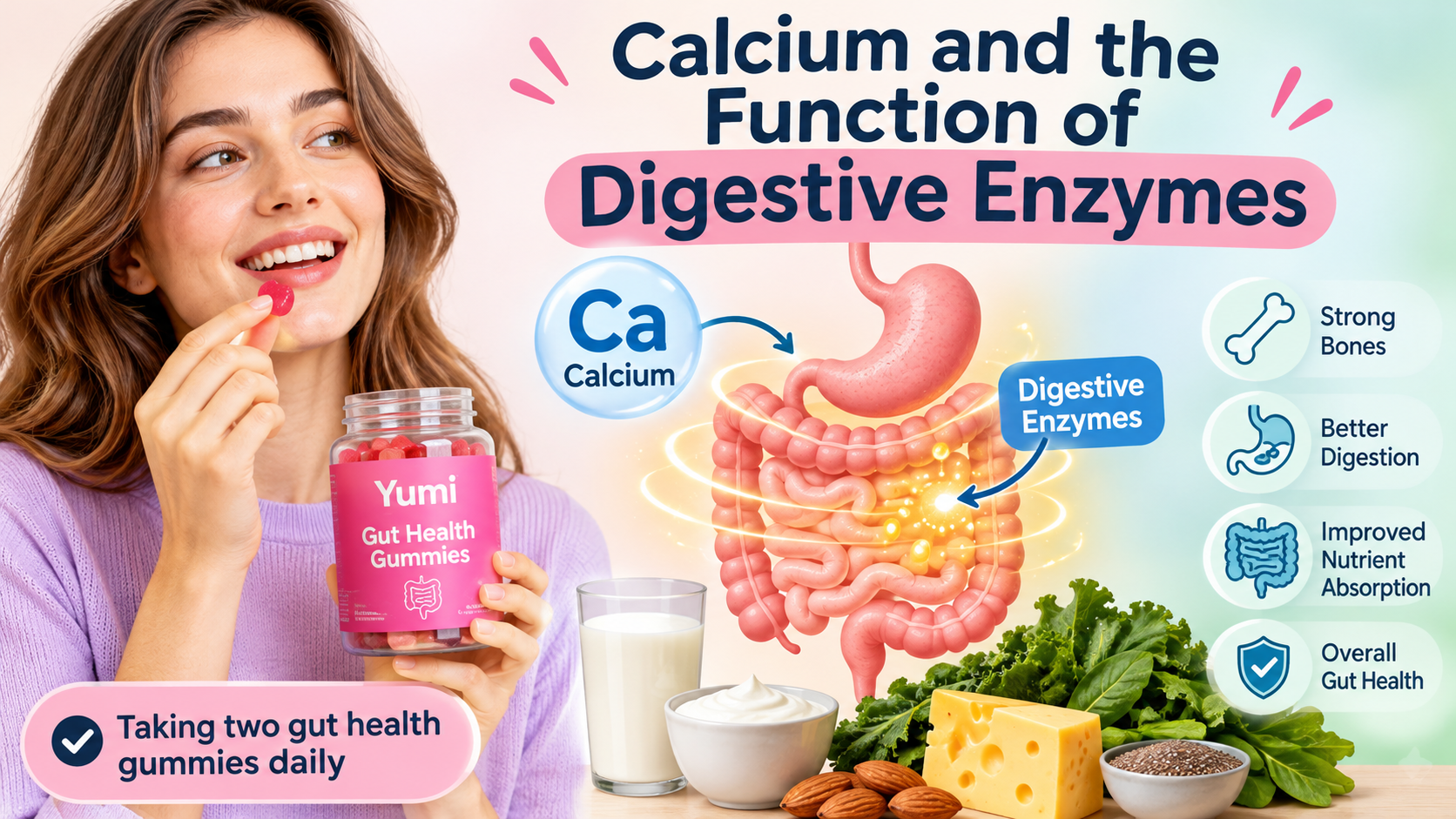

Calcium is widely recognised for its role in maintaining strong bones and healthy teeth, but its importance extends to several other processes within the body. It contributes to normal muscle function, nerve signalling and cellular activity. Calcium also plays a role in the regulation of certain digestive processes, making it an interesting nutrient when exploring how the digestive system works. Understanding the relationship between calcium and digestive enzymes can help explain how different nutrients contribute to overall digestive function.
Understanding Calcium and Its Role in the Body
Calcium is an essential mineral that the body needs to perform several important functions. Most of the body's calcium is stored in bones and teeth, while a smaller amount circulates in the blood and is present within cells.
This circulating calcium supports muscle contractions, nerve communication and normal blood clotting. It also participates in cellular signalling, which allows different tissues and organs to respond to biological instructions.
Maintaining adequate calcium intake is therefore important for overall health. Dairy products, leafy green vegetables, fortified plant-based drinks, almonds and certain fish are useful dietary sources.
What Are Digestive Enzymes?
Digestive enzymes are specialised proteins that help break down food into smaller components that the body can absorb. They are produced by different organs and glands throughout the digestive system, including the salivary glands, stomach, pancreas and small intestine.
Each enzyme performs a particular function depending on the type of food being digested.
Some of the main digestive enzymes include:
-
Amylase: Helps break down carbohydrates and starches into smaller sugar molecules.
-
Protease: Breaks proteins into smaller peptides and amino acids.
-
Lipase: Supports the breakdown of dietary fats into fatty acids and other components.
-
Lactase: Helps digest lactose, the naturally occurring sugar found in milk.
-
Maltase: Breaks maltose into glucose molecules.
These enzymes work together throughout digestion, helping the body obtain nutrients from different foods.
How Does Calcium Relate to Digestive Enzyme Activity?
Calcium has several connections with digestive processes. Although it is not itself a digestive enzyme, it participates in biological activities that help regulate normal digestive function.
One important connection involves pancreatic enzyme secretion. The pancreas produces digestive enzymes that enter the small intestine, where much of the digestion and nutrient absorption takes place. Calcium signalling within pancreatic cells helps regulate the release of these digestive substances.
Calcium is also involved in cellular communication and the activation of certain enzymes. These processes help different tissues coordinate their activities during digestion.
However, it is important to understand that calcium does not independently digest food or replace the enzymes responsible for breaking down carbohydrates, proteins and fats. Instead, it contributes to the broader biological systems that support normal digestive activity.
Dietary Calcium Sources for Everyday Nutrition
A balanced diet can provide calcium through several food groups. Including a variety of calcium-containing foods can help support normal nutritional requirements.
1. Dairy Products
Milk, yoghurt and cheese are well-known sources of dietary calcium. They also provide protein and other nutrients that contribute to everyday nutrition.
2. Leafy Green Vegetables
Kale, bok choy and certain other green vegetables contain calcium. They can be included in salads, soups and cooked meals to add nutritional variety.
3. Nuts and Seeds
Almonds, chia seeds and sesame seeds provide calcium alongside healthy fats, fibre and other minerals. They can be added to breakfast bowls, smoothies and snacks.
4. Fortified Foods
Some plant-based milk alternatives, breakfast cereals and other packaged foods contain added calcium. Checking nutritional labels can help identify suitable options.
5. Fish
Certain fish, particularly sardines and canned salmon with edible bones, provide calcium. They can be incorporated into balanced meals as another source of this essential mineral.
The Importance of Gut Health in Nutrient Absorption
The digestive system does more than break down food. It also helps the body absorb essential nutrients and maintain a suitable environment for normal digestive activity.
The gut contains a diverse community of microorganisms, commonly known as the gut microbiome. These microorganisms interact with dietary components and contribute to several aspects of digestive health.
Eating a varied diet containing vegetables, fruits, whole grains and fibre-rich foods can help support a healthy gut environment.
Probiotic-containing foods and supplements are another area of interest. For individuals exploring convenient supplement formats, taking two gut health gummies daily can be considered as part of an everyday wellness routine, provided the serving instructions on the product are followed.
When choosing a gut health supplement, it is useful to review its ingredient list, probiotic strains, serving recommendations and suitability for individual dietary preferences.
Calcium and Other Nutrients That Support Overall Health
Calcium does not work in isolation. Several other nutrients contribute to the body's ability to maintain normal physiological functions.
Vitamin D helps the body absorb calcium from food and supports normal calcium levels in the blood. Magnesium contributes to normal muscle and nerve function, while phosphorus works alongside calcium in maintaining healthy bones and teeth.
A varied eating pattern that includes different food groups can help provide these nutrients together.
Rather than focusing on a single mineral, considering the overall nutritional quality of meals provides a more balanced approach to everyday health.
Practical Ways to Support Digestive Wellness
Supporting digestive health involves consistent dietary and lifestyle habits. A few simple practices can help maintain a balanced routine:
-
Include fibre-rich foods such as vegetables, fruits, legumes and whole grains.
-
Drink sufficient water throughout the day.
-
Eat a variety of foods to obtain different vitamins and minerals.
-
Include calcium-rich ingredients in regular meals.
-
Incorporate fermented foods such as yoghurt when suitable.
-
Maintain regular physical activity.
-
Follow supplement serving instructions and avoid unnecessary excessive intake.
People experiencing persistent digestive discomfort should seek advice from a qualified healthcare professional rather than relying solely on dietary supplements.
Final Thoughts
Calcium contributes to much more than bone health. Through its involvement in cellular signalling, pancreatic activity and other biological processes, it also has connections with normal digestive function. Digestive enzymes perform the essential work of breaking down food, while calcium and other nutrients help support the wider systems involved in digestion.
Combining calcium-rich foods, a varied diet and sensible gut health habits can contribute to a balanced nutritional routine. Understanding how individual nutrients work together makes it easier to make informed choices about everyday food and supplement options.


