
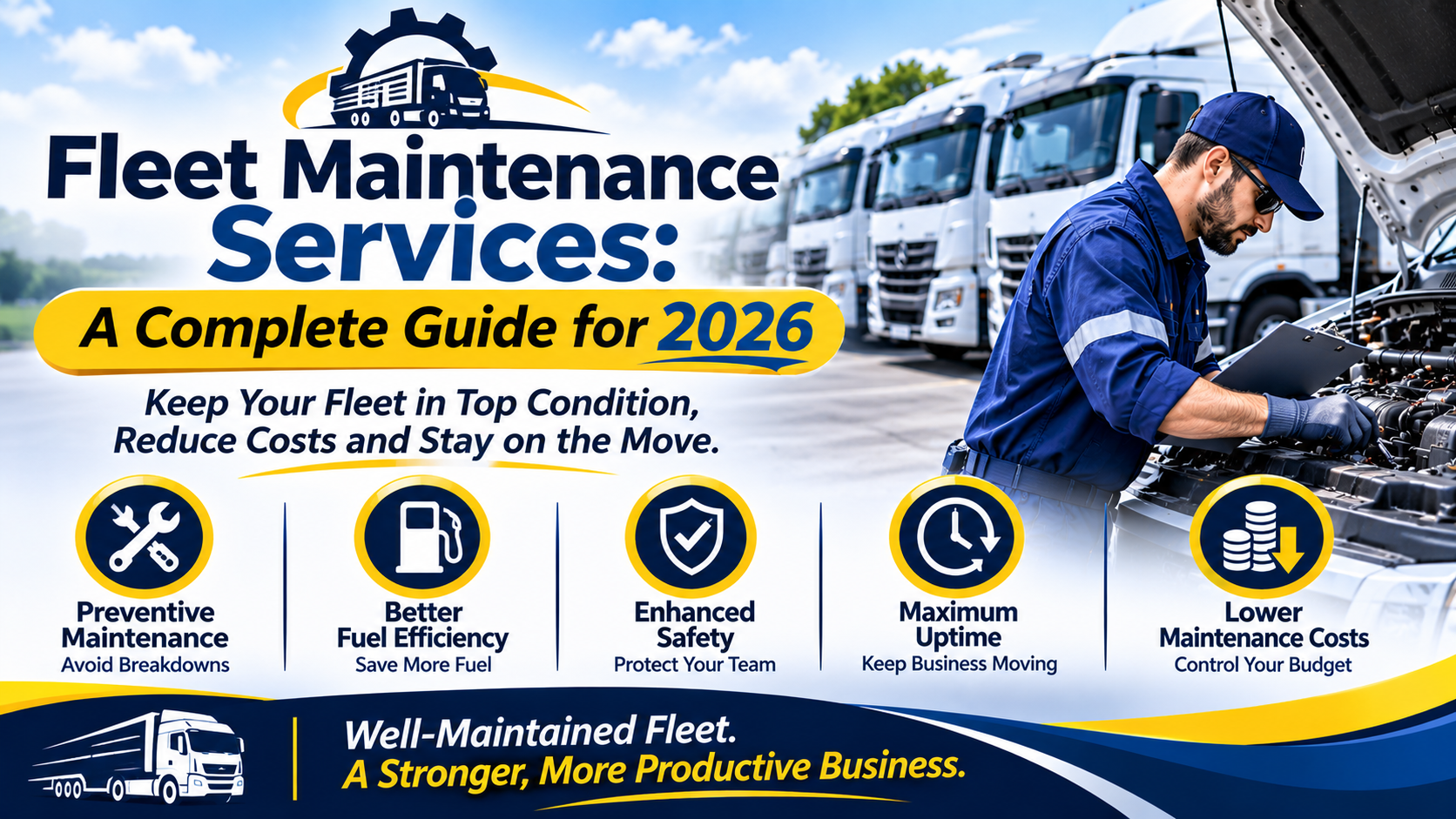

A vehicle that stops working can disrupt an entire business operation. Missed deliveries, delayed schedules, unexpected repair bills, and vehicle downtime can affect productivity and customer satisfaction. For companies that depend on cars, vans, trucks, or other commercial vehicles, regular maintenance is essential. A proper maintenance plan keeps vehicles in working condition, helps identify mechanical problems early, and supports safer transportation. This is why businesses increasingly rely on Fleet Maintenance Services to manage their vehicles and maintain daily operations.
What Are Fleet Maintenance Services?
Fleet maintenance services include the inspection, servicing, repair, and management of vehicles used by businesses. These services help companies maintain multiple vehicles without depending entirely on emergency repairs.
A fleet may include delivery vans, commercial trucks, company cars, buses, and construction vehicles. Each vehicle has different maintenance requirements depending on its age, mileage, usage, and operating environment.
Common fleet maintenance activities include:
-
Engine inspections and oil changes
-
Brake system testing and repairs
-
Tire inspections and replacements
-
Battery testing and electrical repairs
-
Transmission and cooling system maintenance
-
Vehicle safety inspections
-
Replacement of worn or damaged components
Professional maintenance services help businesses organize these activities and keep vehicles ready for regular use.
Why Are Fleet Maintenance Services Important?
Vehicle maintenance directly affects business operations. When a commercial vehicle develops a mechanical problem, it may interrupt transportation schedules and create additional expenses.
Regular servicing helps businesses manage these risks through planned inspections and timely repairs.
1. Reduce Unexpected Vehicle Breakdowns
Unexpected breakdowns can affect delivery schedules and increase repair expenses. Regular inspections help technicians identify worn components, fluid leaks, damaged tires, and other mechanical issues before they become serious problems.
Preventive maintenance also helps fleet managers schedule repairs before a vehicle experiences a major failure.
2. Improve Vehicle Safety
Vehicle safety should remain a priority for every business operating a fleet. Faulty brakes, damaged tires, poor lighting, and steering problems can create serious road risks.
Routine inspections help identify these issues and ensure that necessary repairs are completed before vehicles return to operation.
3. Control Maintenance Expenses
Ignoring small mechanical problems can lead to more expensive repairs. For example, failing to address unusual tire wear may result in early tire replacement and additional suspension problems.
A planned maintenance schedule allows businesses to monitor repair expenses, purchase replacement parts when needed, and prepare maintenance budgets.
4. Extend Vehicle Lifespan
Commercial vehicles often operate for long hours and cover considerable distances. Regular oil changes, filter replacements, fluid checks, and mechanical inspections help reduce unnecessary wear.
Following manufacturer-recommended service intervals can support vehicle reliability and help businesses get more useful operating life from their assets.
Different Types of Fleet Maintenance Services
Businesses can use different maintenance approaches depending on their vehicle requirements and operating schedules.
Preventive Maintenance
Preventive maintenance involves servicing vehicles at planned intervals instead of waiting for mechanical failures.
It includes oil changes, tire rotations, brake inspections, filter replacements, and other routine tasks. Service schedules can be based on mileage, engine hours, time intervals, or manufacturer recommendations.
Corrective Maintenance
Corrective maintenance involves repairing problems identified during inspections or vehicle operation.
Examples include replacing damaged brake components, repairing electrical faults, fixing fluid leaks, and addressing engine performance problems.
Completing repairs promptly helps prevent existing issues from affecting other vehicle components.
Emergency Maintenance
Emergency maintenance is required when a vehicle experiences an unexpected failure during operation.
This may involve roadside assistance, towing, urgent mechanical repairs, or component replacement. Although emergency services are sometimes unavoidable, preventive maintenance can help reduce their frequency.
How Technology Is Changing Fleet Maintenance
Technology is helping businesses manage vehicle maintenance with better records and more accurate information.
Fleet management software can organize service schedules, store repair histories, and send maintenance reminders. Some systems also connect with vehicle telematics and diagnostic equipment to provide information about engine performance, mileage, and fault codes.
GPS tracking helps managers understand vehicle usage and plan maintenance around operating schedules.
Digital inspection reports also allow drivers to report vehicle problems without depending entirely on paper records.
According to IBM's fleet maintenance guidance, effective maintenance management combines inspections, preventive care, repairs, and parts management to support vehicle availability and driver safety.
How to Choose the Right Fleet Maintenance Provider
Selecting a suitable maintenance provider requires more than comparing service prices. Businesses should evaluate the provider's experience, technical capabilities, and ability to handle their specific vehicle types.
Here are some important factors to consider:
-
Experience with commercial and fleet vehicles
-
Qualified technicians and suitable repair equipment
-
Clear service schedules and maintenance procedures
-
Availability of replacement parts
-
Transparent pricing and repair estimates
-
Detailed inspection and service reports
-
Ability to handle urgent repair requirements
Businesses should also review the provider's communication process. A reliable service provider should explain identified problems, recommend necessary repairs, and provide clear information about completed work.
For additional information about automotive services and vehicle-related resources, businesses can explore bayanatss as part of their research.
Best Practices for Managing Fleet Maintenance
A consistent maintenance process makes it easier to manage vehicles and control operating expenses. Fleet managers should establish clear responsibilities for drivers, technicians, and service providers.
The following practices can help:
Create a Maintenance Schedule
Prepare a service calendar for every vehicle. Include recommended inspection dates, oil changes, tire checks, and other scheduled maintenance activities.
Train Drivers to Report Problems
Drivers should know how to identify warning lights, unusual noises, fluid leaks, and changes in vehicle performance. Early reporting helps maintenance teams investigate problems quickly.
Maintain Accurate Service Records
Record every inspection, repair, replacement part, and maintenance expense. These records help identify recurring problems and support future maintenance decisions.
Monitor Vehicle Performance
Track mileage, fuel consumption, downtime, and repair costs. Comparing these figures across vehicles can help managers identify assets that require additional attention.
Review Maintenance Performance
Regularly evaluate whether scheduled services are completed on time and whether unexpected repairs are decreasing. Use the findings to improve maintenance procedures.
Common Fleet Maintenance Mistakes to Avoid
Some businesses experience higher maintenance expenses because they overlook basic management practices.
Common mistakes include delaying scheduled servicing, ignoring driver complaints, using unsuitable replacement parts, and failing to maintain repair records.
Another mistake is following the same maintenance schedule for every vehicle without considering its operating conditions. Vehicles used for heavy loads, frequent stops, or dusty routes may require different maintenance attention.
Fleet managers should follow manufacturer guidance and adjust inspection plans according to actual vehicle usage.
Conclusion
Fleet maintenance is an important part of running a reliable transportation operation. Regular inspections, preventive servicing, accurate records, and timely repairs help businesses manage vehicle conditions and reduce avoidable downtime.
In 2026, combining professional maintenance services with digital tracking and organized service schedules can make fleet operations easier to manage. Businesses that take a planned approach to vehicle maintenance can improve safety, control expenses, and keep their vehicles ready for daily operations.
Frequently Asked Questions
1. What do fleet maintenance services include?
They include vehicle inspections, preventive servicing, mechanical repairs, tire maintenance, and replacement of damaged components.
2. How often should fleet vehicles be maintained?
Maintenance frequency depends on vehicle type, mileage, operating conditions, and manufacturer recommendations.
3. What is preventive fleet maintenance?
It is a planned maintenance approach that identifies and addresses potential vehicle problems before major failures occur.
4. Can fleet maintenance reduce business expenses?
Yes. Regular servicing can help prevent costly breakdowns, reduce unplanned repairs, and improve vehicle availability.
5. Why are maintenance records important?
They help businesses monitor repair history, track expenses, identify recurring faults, and plan future servicing.


