
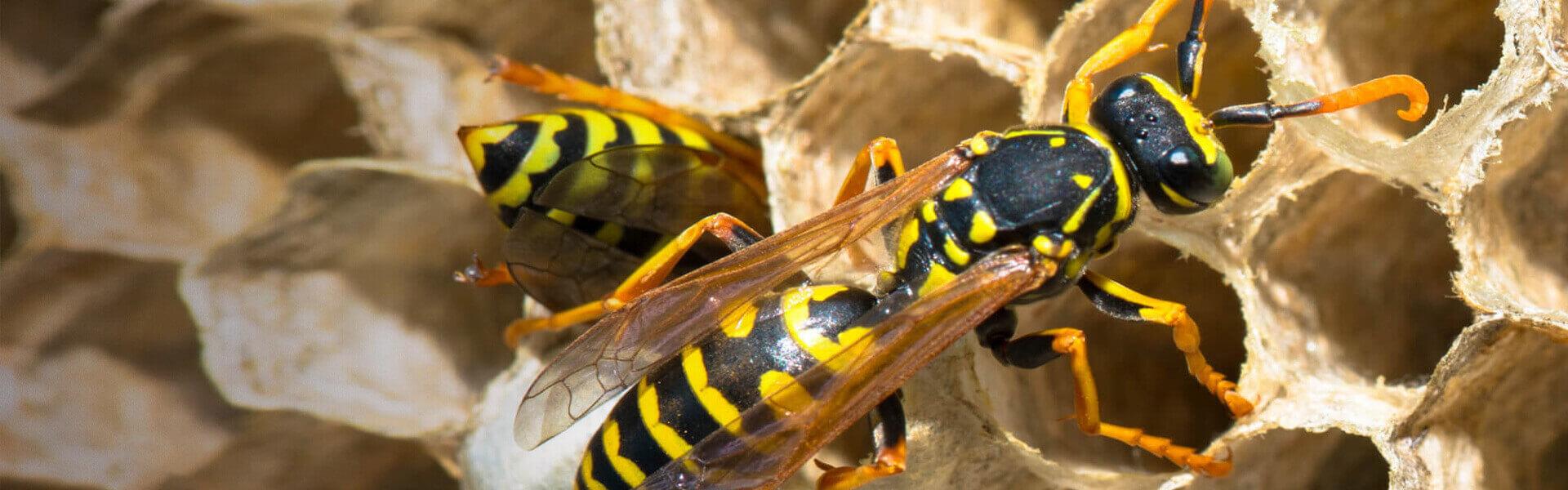
Wasp Control London: Practical Ways to Protect Your Property and Outdoor Spaces

Wasp control London is an important consideration for homeowners, tenants, landlords, and business owners who want to maintain comfortable and safe surroundings. Wasps can become particularly noticeable during warmer months when they search for food, build nests, and establish colonies around residential and commercial properties. Although these insects play a role in the natural environment, their presence near entrances, gardens, patios, and outdoor seating areas can create concerns for people using these spaces.
A wasp nest near a doorway, roofline, shed, or balcony may cause repeated disturbances throughout the day. Wasps can become defensive when they feel threatened, especially when someone approaches their nest. For people who have experienced allergic reactions to stings, an active wasp colony can be an even greater concern.
Understanding how wasps behave, where they build their nests, and when professional assistance may be necessary can help property owners make informed decisions. Effective wasp control focuses on identifying the source of the activity, reducing conditions that attract these insects, and managing established nests safely.
Why Wasps Become a Problem in London Properties
London contains a wide variety of properties, from traditional houses and apartment buildings to offices, restaurants, shops, and industrial premises. These different environments can provide wasps with suitable locations for nesting and finding food.
Gardens, parks, flowering plants, and green spaces offer natural food sources. Meanwhile, gaps beneath roof tiles, loft spaces, wall cavities, garden sheds, and sheltered corners can provide protection for developing colonies. Properties with accessible rubbish bins, uncovered food, and sugary drinks may also attract foraging wasps.
As temperatures rise, wasp activity often increases. Residents may notice more insects flying around outdoor dining areas, rubbish storage points, and garden furniture. What initially appears to be occasional activity can sometimes indicate a nest nearby.
Recognising these patterns early allows property owners to investigate the situation before the nest grows larger or begins interfering with everyday activities.
Common Places Where Wasps Build Their Nests
Wasps select nesting locations that provide shelter, stability, and protection from the weather. Some nests are easy to notice, while others remain hidden until the colony becomes active.
Roof Spaces and Loft Areas
Lofts and roof spaces can offer quiet conditions for wasp colonies. Small openings near roof tiles, ventilation points, or eaves may provide access to sheltered areas. Residents might hear buzzing or observe wasps repeatedly entering and leaving the same opening.
Wall Cavities and Exterior Gaps
Wasps can enter small gaps around brickwork, exterior panels, windows, and other structural features. When a nest develops inside a cavity, the insects may remain largely out of sight. Blocking an entrance without understanding what lies behind it can create additional problems.
Gardens, Hedges, and Outdoor Structures
Garden sheds, fences, hedges, compost areas, and sheltered spaces beneath garden structures can provide suitable nesting locations. These areas may receive little attention during routine property maintenance, making regular visual inspections useful.
Balconies, Sheds, and Garages
Balconies, garages, and storage buildings can contain undisturbed corners that attract nesting wasps. In apartment buildings, a nest near a shared balcony or entrance may affect several households, making prompt communication with the property manager particularly important.
Recognising the Early Signs of a Wasp Nest
Identifying a possible nest early can help prevent unnecessary disturbance. One of the most noticeable warning signs is repeated wasp movement around a particular point. If several wasps continually fly towards the same opening and disappear inside, a nest may be located nearby.
Another sign is a noticeable increase in wasp activity around a roofline, shed, garden structure, or wall cavity. Buzzing sounds from enclosed spaces may also indicate nesting activity, although other insects can produce similar sounds.
People should avoid approaching suspected nests to obtain a closer look. Shaking branches, tapping walls, opening roof spaces, or attempting to inspect narrow cavities can disturb the insects.
A safe observation from a distance is generally more appropriate. If activity continues around a particular location, a qualified pest management professional can assess the situation and determine the most suitable next steps.
Why Professional Wasp Control London Services Can Help
Professional wasp control London services can help address established nests in residential and commercial settings. Correctly identifying the nesting location is an important first step because the nest may be concealed behind a wall, beneath roof tiles, or inside an enclosed structure.
A trained technician can assess the level of activity, consider access difficulties, and determine an appropriate management approach. This assessment also helps identify potential hazards, including nests near frequently used entrances, public walkways, and elevated areas.
Attempting to remove an active nest without suitable training can expose people to multiple stings. Using household sprays or disturbing a colony may also cause wasps to become defensive without resolving the underlying problem.
Professional assistance is particularly valuable when the nest is inside a building cavity, located at height, or positioned close to children, pets, customers, or people with known sting allergies.
The aim is to manage the immediate concern while considering the property layout and the likelihood of further wasp activity.
Wasp Control for Homes and Residential Buildings
A wasp problem can affect daily routines in several ways. Families may avoid using their gardens, children may be unable to play comfortably outdoors, and residents may feel anxious about opening windows or sitting on balconies.
Residential wasp control begins with understanding where the insects are gathering and whether their activity is associated with an established nest. The location matters because a nest beside a frequently used entrance presents different concerns from one in a rarely visited part of a large garden.
Homeowners should pay attention to recurring activity around eaves, sheds, fences, roof spaces, and exterior openings. Shared buildings require additional coordination because nests may affect communal entrances, stairways, balconies, and outdoor seating areas.
Landlords and property managers should encourage residents to report suspected nests promptly. Clear communication helps prevent people from attempting unsafe removal and makes it easier to arrange an appropriate inspection.
Once the immediate issue has been addressed, simple maintenance measures can help reduce the likelihood of future nesting problems.
Keeping Gardens Comfortable During Wasp Season
Gardens should remain enjoyable places for relaxing, entertaining guests, and spending time with family. However, exposed food and sugary drinks can attract foraging wasps, particularly during warm weather.
Keeping outdoor dining areas clean is a useful preventive measure. Food containers should be covered when not in use, drink cans should be checked before consumption, and spills should be cleaned promptly. Rubbish bins should have secure lids, especially when they contain food waste.
Overripe fruit that falls from trees can also attract insects. Removing fallen fruit regularly and maintaining tidy outdoor areas can make gardens less attractive to foraging wasps.
Property owners should inspect garden sheds, fences, roof edges, and sheltered corners from a safe distance. Routine maintenance can reveal gaps or damaged exterior features that may provide access to enclosed spaces.
These measures do not guarantee that wasps will stay away, because insects may travel from neighbouring gardens and nearby green spaces. Nevertheless, reducing accessible food and monitoring nesting activity can help make outdoor areas more comfortable.
Wasp Control for Restaurants, Shops, and Commercial Premises
Commercial properties often face additional challenges because wasp activity can affect customers, employees, visitors, and business operations. Restaurants, cafés, pubs, outdoor markets, and hospitality venues may be particularly affected when food and drinks are served outside.
A wasp problem near an outdoor dining area can make customers uncomfortable and increase concerns about workplace safety. Retail entrances, loading areas, waste storage points, and delivery zones may also experience repeated insect activity.
Businesses can reduce attractants by maintaining clean service areas, securing waste containers, and clearing food debris promptly. Outdoor drinks stations should be monitored, while bins should be positioned and maintained in a way that limits access to food waste.
Where a nest is suspected, staff should avoid disturbing it or attempting removal without appropriate training. Managers should arrange a suitable assessment and communicate any necessary access restrictions to employees and customers.
A planned approach to wasp control helps businesses respond promptly while maintaining a more comfortable environment for visitors and staff.
Preventive Property Maintenance for Long-Term Results
Preventive maintenance plays an important role in reducing opportunities for wasps to establish nests. Although no property can be made completely immune to nesting insects, regular inspections can identify conditions that deserve attention.
Roof edges, exterior joints, window surrounds, sheds, and other sheltered structures should be checked periodically for damage or openings. Suitable repairs can help limit access to enclosed areas, provided that there is no active nest behind the affected section.
Ventilation openings should retain their intended function and should not be sealed indiscriminately. Where appropriate, professionally fitted protective screening may help prevent insects from entering certain spaces without obstructing airflow.
Garden storage areas should be kept reasonably organised so that concealed corners can be inspected more easily. Waste storage points also benefit from regular cleaning and secure containers.
Property maintenance should never involve sealing an opening through which wasps are actively travelling. If a nest may be present inside a wall or roof cavity, professional assessment is advisable before any repairs are undertaken.
What to Do When You Discover a Wasp Nest
Discovering a wasp nest can be unsettling, but a calm response helps reduce the chance of disturbing the colony. The first step is to keep a safe distance and avoid touching the nest or blocking its entrance.
Children, pets, and other occupants should be directed away from the affected area. If the nest is close to a doorway, outdoor seating area, or frequently used walkway, limiting access may help prevent accidental encounters.
Do not attempt to knock down the nest, burn it, flood it, or strike it with an object. These actions can provoke defensive behaviour and create additional hazards. Spraying an unidentified opening or sealing it while insects remain inside can also complicate the situation.
Arrange a professional assessment if the nest is active, inaccessible, or positioned where people regularly pass. If anyone experiences difficulty breathing, swelling of the tongue or throat, collapse, or other signs of a severe allergic reaction following a sting, seek emergency medical assistance immediately.
Choosing a Suitable Wasp Control Approach
The appropriate response depends on several factors, including the species involved, the nest location, the level of activity, and the risks to people nearby. A visible nest in an accessible outdoor location may require a different approach from a colony concealed within a roof or wall cavity.
A careful assessment should establish where the insects are entering, whether the nest is active, and how the surrounding area is used. Access requirements and the condition of the building may also influence the management plan.
Property owners should look for clear explanations of the proposed work, relevant experience, suitable safety procedures, and practical advice for reducing future problems. They should also ask what follow-up, if any, may be appropriate for the particular situation.
It is important to understand that wasp activity may continue briefly after a nest has been treated or managed. The exact duration depends on the circumstances, so any specific instructions provided following an inspection should be followed carefully.
Seasonal Wasp Activity in London
Wasp activity generally becomes more noticeable during spring and summer as colonies develop. By late summer, many people observe increased activity around food, drinks, outdoor gatherings, and rubbish containers.
Weather conditions, available food, and the local environment can influence how frequently wasps appear. A warm afternoon may bring more visible foraging activity, while sheltered nesting locations can allow colonies to remain active even when conditions change.
Early awareness is useful because a small amount of activity may be easier to investigate than a well-established colony discovered after repeated disturbances. However, seeing individual wasps does not automatically mean that a nest is located on the property.
Monitoring recurring activity and checking likely nesting areas from a safe distance can help residents decide whether further assessment is needed.
Creating Safer Outdoor Spaces Through Awareness
Long-term wasp management involves more than responding to a nest after it becomes noticeable. Everyday habits, routine maintenance, and early reporting all contribute to a more organised approach.
Residents can keep food covered, manage rubbish carefully, maintain outdoor structures, and report repeated wasp movement near buildings. Businesses can introduce similar practices in dining areas, storage spaces, and customer entrances.
It is equally important to recognise the limits of preventive measures. Clean gardens and well-maintained buildings can still attract wasps because these insects are part of the wider environment. Prevention reduces some opportunities for nesting but cannot eliminate every possible encounter.
A combination of awareness, sensible property maintenance, and professional assessment when necessary provides a practical way to manage concerns.
Conclusion
Wasp control London is an important part of maintaining comfortable residential, commercial, and outdoor environments. Wasps can build nests in roof spaces, wall cavities, gardens, sheds, and other sheltered locations, sometimes creating concerns for people who regularly use nearby areas.
Recognising early signs, avoiding direct contact with active nests, managing food waste, and maintaining building exteriors can help property owners respond more effectively. When a nest is established in a difficult or frequently used location, professional assessment can help determine the safest and most suitable course of action.
By combining preventive maintenance with a sensible response to suspected nesting activity, London property owners can reduce unnecessary disturbances and enjoy their indoor and outdoor spaces with greater confidence throughout the wasp season.


