
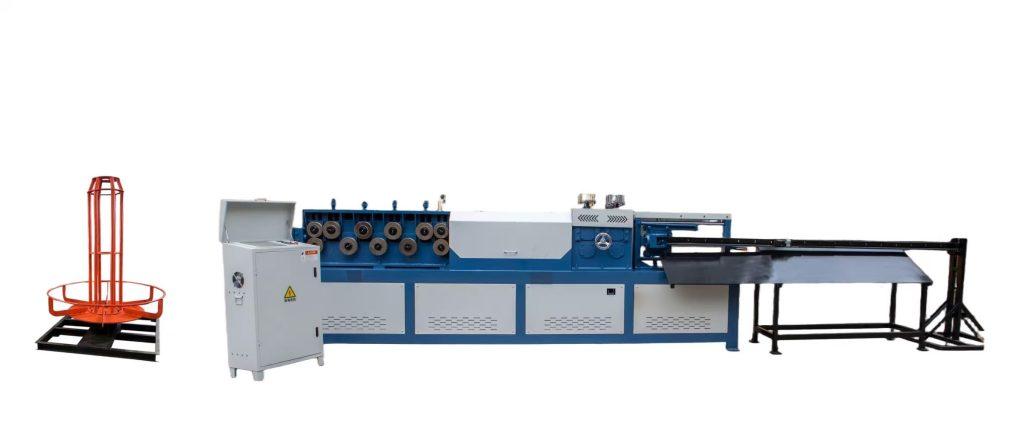
Starting with Straight Steel: How Modern Straightening Technology Improves Rebar Preparation

Steel reinforcement is a fundamental component of modern construction. It provides structural strength to concrete buildings, bridges, foundations, roads, and industrial facilities. Before reinforcement bars can be used in fabrication or construction, however, they often need to be prepared to meet specific dimensional and quality requirements. Straightening is an important part of this preparation, particularly when working with coiled or deformed steel materials. A reliable rebar straightener can help steel processing businesses improve material handling, achieve more consistent results, and organise their production operations.
Why Straightening Matters in Rebar Processing
Reinforcing steel is supplied in different forms depending on its size, application, and manufacturing requirements. Some materials arrive in coils and must be straightened before cutting, bending, or further processing. If the steel retains unwanted curves or uneven sections, it may create difficulties during subsequent fabrication stages.
Straightening helps prepare reinforcement bars for accurate measurement and processing. Properly prepared material is easier to handle and can support more consistent cutting lengths and bending operations.
For fabrication facilities handling regular steel orders, an organised straightening process can improve the overall flow of material through the workshop.
Understanding Modern Rebar Straightening Equipment
A rebar straightening machine is designed to remove unwanted bends from reinforcement steel and produce straighter lengths suitable for further processing. Depending on the equipment design, the process may use a series of rollers or other mechanical arrangements to guide and correct the material.
Operators feed the steel through the machine according to the manufacturer's operating instructions and selected material settings. The equipment applies controlled pressure to help achieve the required straightness.
Different machines support different bar diameters, material types, and production capacities. Businesses should review these specifications carefully to ensure that the equipment is suitable for their intended applications.
Improving Material Consistency
Consistency is important throughout reinforcement fabrication. Steel bars that are not properly straightened may cause difficulties during measurement, cutting, and bending. These issues can increase adjustment work and affect production efficiency.
A suitable straightening system helps create more uniform material for subsequent operations. When the equipment is correctly configured and maintained, it can support repeatable processing across production batches.
Consistent material preparation also makes it easier for operators to inspect steel lengths and identify potential defects before they move to the next manufacturing stage.
The quality of the final result depends on several factors, including material properties, bar diameter, machine settings, roller condition, and operator experience.
Increasing Workshop Productivity
Steel fabrication businesses often process substantial quantities of reinforcement material for different construction projects. Preparing every bar manually can require considerable time and physical effort, particularly when handling coiled steel.
Mechanical straightening can simplify this repetitive task and create a more organised workflow. Once material is prepared, it can move more efficiently towards cutting, bending, or other fabrication operations.
This can help businesses coordinate production stages, reduce unnecessary material handling, and manage orders more effectively. Actual processing capacity depends on the machine model, material specifications, operating speed, and production conditions.
Supporting Cutting and Bending Operations
Straightening is closely connected with other reinforcement processing activities. After steel has been straightened, it may need to be cut into specific lengths or shaped according to construction drawings.
Accurate preparation can make these subsequent operations easier to manage. Straight material provides a more consistent starting point for measuring and cutting, while properly prepared bars can be handled more conveniently during bending.
For facilities operating multiple machines, coordinating straightening with cutting and bending equipment can help establish a smoother production sequence. This approach supports better workshop organisation and reduces interruptions between different processing stages.
Reducing Repetitive Manual Handling
Handling reinforcement steel can be physically demanding, especially during high-volume production. Workers may need to move, position, measure, and correct steel materials repeatedly.
Straightening equipment can reduce some of these repetitive activities by performing the mechanical correction process. Operators can focus on feeding material, supervising machine operation, checking output, and preparing steel for the next stage.
Automation does not remove the need for skilled workers or proper safety practices. Employees should understand the equipment's operating procedures and follow instructions for material loading, machine adjustment, and maintenance. Safe handling is especially important when working with long steel bars and moving mechanical components.
Choosing Suitable Straightening Equipment
Selecting a machine requires careful consideration of production requirements. A business processing smaller reinforcement bars may have different needs from a facility handling larger diameters or continuous high-volume orders.
Important factors include supported bar diameters, material compatibility, straightening accuracy, processing speed, machine construction, and operating convenience. Buyers should also examine maintenance requirements, spare parts availability, installation support, and warranty conditions.
Understanding the expected workload before purchasing can help businesses choose equipment that fits their current operations and future plans.
Regular maintenance is equally important. Rollers and other working components should be inspected according to the manufacturer's recommendations to maintain reliable performance and reduce unexpected interruptions.
Building a More Organised Steel Fabrication Process
Efficient reinforcement production begins with proper material preparation. Straightening, cutting, and bending must work together to produce components that meet project specifications and delivery schedules.
Modern straightening equipment can help steel processing facilities improve consistency, reduce repetitive manual effort, and establish a more predictable production workflow. For businesses seeking to strengthen their reinforcement preparation capabilities, investing in an appropriate rebar straightener can be a valuable step. When combined with trained operators, routine maintenance, and effective quality inspections, the right equipment can support dependable steel processing for a wide range of construction applications.


