
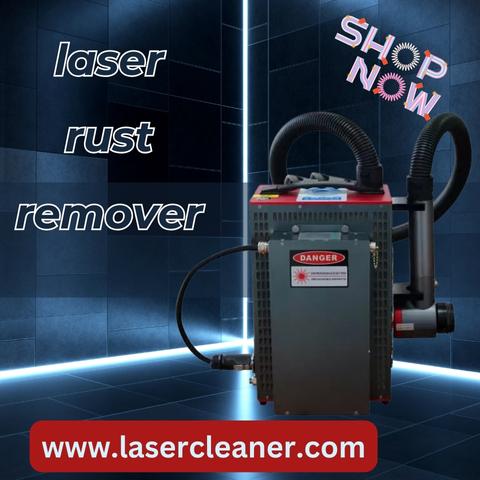
Rust is a common problem in industries that work with metal components, machinery, automotive parts, and steel structures. Over time, exposure to moisture, oxygen, and environmental conditions causes metal surfaces to develop corrosion. Removing rust properly is important for maintaining material quality and preparing surfaces for further processing. A laser rust remover offers a modern approach to handling this challenge through controlled laser technology.
Understanding Laser Rust Removal Technology
Laser rust removal uses concentrated laser energy to remove rust, oxidation, paint, and other unwanted materials from metal surfaces. The laser beam interacts with the contaminated layer, causing it to separate from the underlying material. This process allows operators to clean specific areas without relying on traditional chemical treatments or abrasive materials.
The technology is suitable for different industrial applications, including steel fabrication, automotive maintenance, machinery restoration, and metal processing. Depending on the equipment and cleaning requirements, businesses can select different power levels and configurations for their operations.
How Does the Cleaning Process Work?
The cleaning process begins by directing a laser beam toward the rusted surface. The energy is absorbed by the unwanted layer, which helps break its attachment to the metal. The loosened particles can then be collected using an appropriate extraction system.
Before starting the process, operators should inspect the material and determine the correct laser settings. Factors such as rust thickness, metal type, surface condition, and cleaning speed influence the working parameters.
A laser rust remover can be used on different metal components, provided that the equipment is configured according to the material and application. Proper testing on a small area helps establish suitable cleaning settings before treating the entire surface.
Applications Across Different Industries
Laser cleaning technology has become relevant in several industries where metal surface preparation is an important part of production and maintenance.
In automotive manufacturing, it can be used to clean metal components, remove corrosion from selected parts, and prepare surfaces for welding or coating. Automotive restoration workshops may also use laser cleaning when working with older metal components.
In heavy manufacturing, steel structures, industrial equipment, and machine parts often require regular surface maintenance. Laser cleaning provides another method for addressing rust accumulation on accessible metal surfaces.
Shipbuilding and railway maintenance are additional areas where corrosion management is important. Metal surfaces exposed to outdoor environments may require periodic cleaning before inspection, painting, or protective treatment.
Choosing the Right Laser Cleaning Equipment
Selecting suitable equipment depends on the intended application. Businesses should consider the type of metal, the amount of corrosion, the size of the working area, and the frequency of cleaning operations.
Laser power is another important consideration because different rust conditions require different energy settings. Portable equipment may be suitable for maintenance teams that work across multiple locations, while larger industrial systems may be selected for dedicated production environments.
A reliable supplier should also provide technical information, operator training, maintenance guidance, and support for selecting appropriate cleaning parameters.
Safety Considerations During Operation
Laser cleaning equipment requires proper handling and a controlled working environment. Operators should use laser safety glasses specifically rated for the equipment's wavelength and follow the manufacturer's safety instructions.
The working area should have suitable barriers, warning signs, and restricted access. Appropriate fume extraction is also important because removing rust, coatings, and other surface contaminants can release airborne particles and fumes.
Regular equipment inspections and operator training help maintain safe working conditions during industrial cleaning operations.
The Growing Role of Laser Cleaning in Metal Processing
As manufacturing industries continue to explore modern surface treatment methods, laser technology is becoming an increasingly relevant option. Businesses are looking for cleaning processes that can be integrated into their existing production workflows while meeting specific material preparation requirements.
A laser rust remover can support maintenance activities, metal restoration, and industrial surface preparation. Its application depends on the equipment configuration, material condition, and production requirements.
Final Thoughts
Laser-based cleaning technology provides manufacturers and maintenance professionals with another way to manage rust and surface contamination. From automotive workshops to heavy industrial facilities, this technology can be applied to various metal cleaning tasks. Understanding the working process, selecting suitable equipment, and following proper safety procedures are essential for achieving consistent results. As industrial requirements evolve, laser cleaning continues to attract attention as a modern solution for metal surface treatment.


