

The way people use technology has changed considerably over the past few years. Smartphones remain central to daily communication, but wearable devices are becoming equally useful for accessing information quickly and managing everyday activities. Their compact designs and convenient features make them suitable for people who want technology that fits naturally into their routines.
Modern smart watches combine traditional timekeeping with digital functions that support communication, activity awareness, and personal organization. Depending on the model, users can access smartphone notifications, monitor daily movement, set reminders, customize display designs, and use selected wellness features. This combination makes wearable technology appealing to students, professionals, fitness enthusiasts, and people who simply appreciate convenient gadgets.
Connectivity is one of the biggest advantages of a modern smartwatch. When paired with a compatible smartphone, a device can display incoming call alerts, text messages, and notifications from selected applications. Certain models also support Bluetooth calling through a built-in microphone and speaker. This allows users to communicate more conveniently when their phones are nearby but not immediately accessible. The available functions depend on the watch and smartphone compatibility.
Activity tracking provides another reason to consider wearable technology. Many devices include step counters and tools that estimate distance travelled and calories burned. These records can help users understand how active they are throughout the day. Setting achievable movement goals and reviewing progress may encourage more consistent habits, especially for people who spend long periods sitting at work or studying.
Exercise enthusiasts may appreciate dedicated sports modes. Depending on the device, these can include walking, running, cycling, and other physical activities. Selecting an appropriate mode helps organize workout information and makes it easier to review general exercise patterns. However, recorded values such as calories, speed, and distance are estimates and may vary according to device settings and usage conditions.
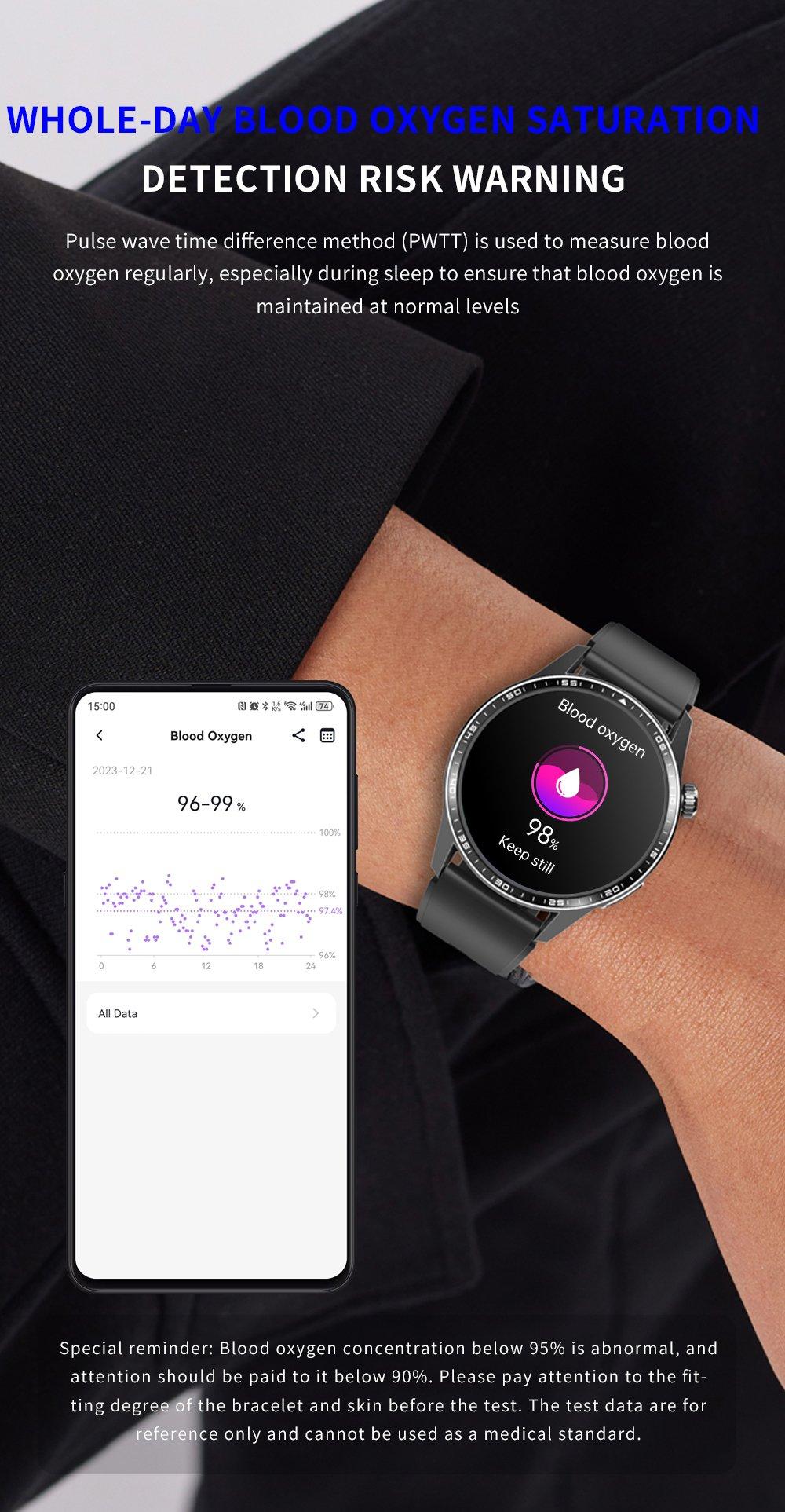
Some wearable devices also provide wellness-related functions, including heart-rate monitoring, estimated blood oxygen readings, and sleep tracking. These features can help users observe general patterns in their routines and become more aware of their daily habits. They are intended for wellness awareness, not medical diagnosis, and should never replace professional healthcare advice or validated medical equipment.
Appearance and comfort are important when selecting a wearable device. Buyers can compare display sizes, case materials, strap designs, and available watch faces. A clear touchscreen makes information easier to read, while a comfortable strap helps the watch remain suitable for extended wear. Some models allow users to personalize the display with different designs or photographs, adding an individual touch to the device.
The companion smartphone application also influences the overall experience. Compatible apps may provide access to synchronized activity records, notification controls, watch face settings, and additional supported features. Before purchasing a device, users should confirm which application it requires and whether it works with their smartphone. Different models can use different applications, so compatibility should always be checked.
Battery performance is another practical factor. Features such as Bluetooth calling, frequent notifications, continuous monitoring, and high display brightness can increase energy consumption. Actual battery life therefore depends on usage habits and device configuration. Checking the manufacturer's specifications can help buyers understand the expected charging requirements.


