
Riding through summer heat, cold mornings, wind, and unexpected rain demands more than one heavy jacket. Whether you prefer a men's twill jacket or a full textile system, the solution is the same: build a modular setup where each layer handles one specific job, then add or remove layers as conditions change.
What Is an All-Season Setup?
An all-season motorcycle setup combines a protective shell with interchangeable layers. The main components include a moisture-wicking base layer, an insulating mid layer, a removable thermal liner, a waterproof barrier, and a ventilation system. Different weather demands different combinations. The shell stays constant while everything else adapts to temperature and conditions throughout the ride.
Which Jacket Shell Works Best?
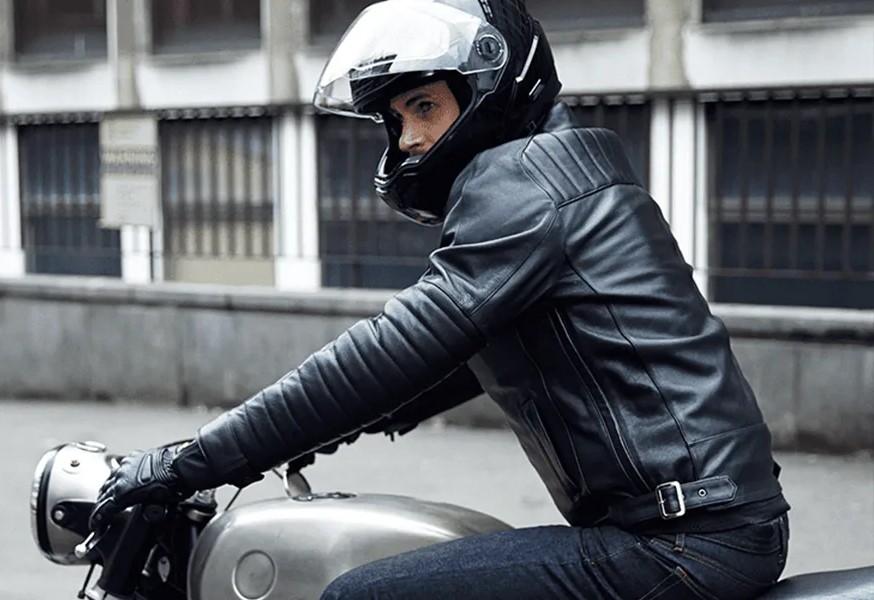
The protective outer shell is the foundation of your entire system. It should provide abrasion-resistant construction, reinforced impact zones, secure seams, armor pockets, and a riding-specific fit. Common shell materials include polyester, nylon, twill, mesh, and blended textiles. Regardless of which thermal or waterproof layers you add or remove, the shell remains your primary motorcycle protective layer at all times.
Where Does Twill Fit In?
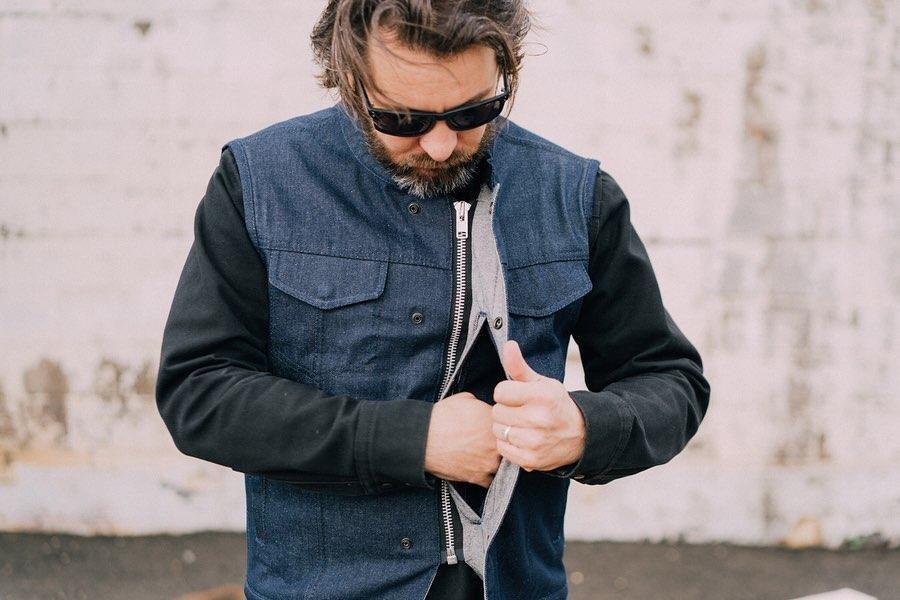
A premium men's twill jacket can work well for riding when it is purpose-built for motorcycle use. Twill describes a diagonal fabric weave, not a safety rating. Motorcycle-specific twill jackets may include reinforced shoulders, armor pockets, pre-curved sleeves, and mesh linings. However, a casual fashion twill jacket should not automatically be treated as protective riding gear. Always check the garment's actual construction and certification.
What Should a Base Layer Do?
The base layer sits closest to your skin and manages moisture before anything else matters. Technical synthetics and merino wool both work well for transferring sweat away from the body. Good moisture management keeps you cooler in summer and warmer in winter. Keep the base layer thin and close-fitting to avoid unnecessary bulk under your riding jacket.
When Do You Need a Mid Layer?
A mid layer adds insulation when temperatures drop. Options include lightweight fleece, thin synthetic insulation, or a packable insulated jacket. The key is low bulk. A good mid layer should add warmth without making the protective shell too tight or pushing shoulder and elbow armor away from the body areas they are designed to cover.
How Do Thermal Liners Work?
Removable thermal liners clip or zip inside the jacket shell, providing integrated insulation without the bulk of a standalone mid layer. They are easy to install on cold mornings and simple to pack away when temperatures rise during the afternoon. A removable liner turns warmth into an optional feature rather than a permanent part of your jacket.
Which Waterproof Layer Is Best?
Waterproof systems come in several forms, each with distinct trade-offs:
-
Fixed membrane: Always present inside the jacket.
-
Removable drop liner: Installed only when rain is expected.
-
Laminated membrane: Bonded directly to the outer shell for faster drying.
-
External rain shell: Worn over the protective jacket.
Each option involves trade-offs in drying time, ventilation, and convenience. Remember that waterproofing and insulation are entirely separate functions.
How Should Jacket Vents Work?
Effective ventilation requires both entry and exit points. Intake vents on the chest, sleeves, or forearms let cool air in, while exhaust vents on the upper or lower back let warm air escape. Opening a front zipper alone does not guarantee real airflow. Also, a waterproof liner sitting behind open vents can block the breeze you are trying to create.
How Should a Layered Jacket Fit?
Your jacket must fit correctly in both its stripped-down summer configuration and its fully layered winter setup. Check shoulder mobility, chest room, sleeve length, cuff closure, and collar comfort in both extremes. Leave enough space for planned layers, but avoid buying an excessively oversized shell that becomes loose and unstable when those layers come out.
Does Armor Position Matter?
Layering should never push protectors away from the body. Shoulder armor, elbow armor, back protectors, and chest protectors must stay aligned with the areas they cover. Too many thick layers underneath can shift armor placement and reduce impact protection when you need it most. Fit matters as much as coverage.
What Do CE Ratings Mean?
Two separate rating systems apply to men's textile motorcycle jackets. EN 17092 garment classes (A, AA, AAA) describe the protective construction of the jacket itself. EN 1621 protector levels (Level 1, Level 2) describe the impact absorption of individual armor pieces. A higher armor level does not automatically mean a higher garment class.
What Works Best in Summer?
Strip the setup down. Use a lightweight moisture-wicking base layer, your protective shell, and nothing else. Remove the thermal liner and waterproof liner when conditions allow. Open all intake and exhaust vents fully. Summer layering is mostly about removing unnecessary barriers to airflow rather than adding more clothing on top.
What Works in Spring and Fall?
Shoulder seasons demand flexibility. Start with a base layer, protective shell, and a lightweight mid layer. Keep the waterproof liner packed but accessible. Adjust vents throughout the day as temperatures shift between cold mornings, warm afternoons, and cool evenings. Modular jackets shine brightest during these transitional rides.
What Works Best in Cold Weather?
Layer efficiently. Combine a moisture-managing base layer, an insulating mid layer, and a thermal liner under your protective shell. Close all vents, seal cuffs, and zip the collar tight. Prioritize wind blocking and efficient insulation over piling on so many layers that movement and armor positioning suffer on the bike.
What Works Best in Rain?
Install your waterproof membrane or pull on an external rain shell over the protective jacket. Seal the collar and cuffs to prevent water entry. Keep insulation minimal when rain arrives in warm weather. The waterproof layer may sit inside, laminated to the shell, or outside depending on your specific jacket design.
What Should Touring Riders Pack?
Touring demands readiness for changing conditions. Pack a compact kit including a lightweight base layer, insulating mid layer, and waterproof shell. Many men's textile motorcycle jackets with removable liners handle this naturally. Prioritize packability and quick layer changes so your gear adapts to the weather ahead, not just today's forecast.
Which Layering Mistakes Matter?
Avoid stacking too many thick layers, buying an oversized shell, blocking vents with waterproof liners, letting armor shift, or removing protectors to create room. Do not assume every men's twill jacket is certified motorcycle protective gear. Every added layer should solve a specific problem rather than simply adding bulk.
Final Thoughts
Start with a motorcycle-specific protective shell from a trusted brand like First Manufacturing Co, then add moisture control, insulation, or waterproofing only when conditions require it. A well-planned modular setup delivers far more versatility than simply stacking heavier clothing for every season.


