
Mental Wellness Across Different Life Stages: Supporting Health and Personal Growth

Mental wellness is important at every stage of life. Children, teenagers, working adults, and older individuals all experience emotional challenges, although their circumstances and support needs may differ.
Life transitions can introduce new responsibilities, relationships, expectations, and uncertainties. Learning to recognize these changes and respond with healthy coping strategies can make a meaningful difference in overall well-being.
Mental health should not be viewed as a concern limited to particular age groups. It is an ongoing part of personal development and deserves attention throughout life.
Mental Wellness During Childhood
Childhood is an important period for emotional, social, and cognitive development.
Children gradually learn how to express emotions, build relationships, manage frustration, and respond to unfamiliar situations.
Supportive family environments, positive communication, adequate sleep, and opportunities for play contribute to healthy development.
Parents and caregivers can support children's emotional wellness by:
- Encouraging open conversations about feelings.
- Establishing consistent daily routines.
- Providing opportunities for social interaction.
- Recognizing changes in behavior.
- Offering reassurance during difficult transitions.
Persistent emotional or behavioral difficulties should be discussed with qualified pediatric or mental health professionals.
Supporting Teenagers Through Emotional Changes
Adolescence involves significant physical, social, and emotional development.
Academic expectations, friendships, social media, family relationships, and questions about identity can create pressure.
Teenagers may sometimes struggle to communicate emotional concerns, making supportive relationships particularly important.
Parents and caregivers should encourage conversations without immediately criticizing or dismissing a young person's experiences.
Listening carefully, respecting appropriate independence, and recognizing warning signs can help create a safer environment for emotional expression.
When concerns persist, professional mental health support may be appropriate.
Mental Health Challenges During Adulthood
Adults often manage several responsibilities simultaneously, including careers, relationships, finances, parenting, and household obligations.
These responsibilities can become stressful when individuals have limited opportunities for rest or personal time.
Common concerns may include workplace burnout, anxiety, relationship difficulties, and difficulty maintaining a healthy work-life balance.
Creating boundaries, maintaining social connections, exercising regularly, and seeking professional guidance can help adults manage these pressures.
People interested in exploring broader brain health and mental wellness resources can visit new beginnings wellness center & braincore clinic.
Understanding available support options can help individuals make informed decisions about their personal well-being.
The Importance of Mental Wellness During Major Life Transitions
Major life changes can affect emotional stability regardless of age.
Starting a new job, moving to another location, becoming a parent, experiencing relationship changes, or retiring can introduce uncertainty.
Even positive transitions may create stress because they require individuals to adjust their routines and expectations.
Healthy coping strategies include maintaining familiar habits, establishing realistic goals, discussing concerns with trusted people, and allowing time for adjustment.
Professional counseling can also provide support when transitions become emotionally overwhelming.
Supporting Emotional and Cognitive Health as People Age
As people grow older, their health priorities and daily routines may change.
Retirement, physical health concerns, changes in family circumstances, and reduced social interaction can influence emotional well-being.
Maintaining social connections, participating in enjoyable activities, and staying physically active can support quality of life.
Cognitive changes should also receive appropriate attention. Occasional forgetfulness can occur with age, but persistent memory difficulties or changes that interfere with everyday activities deserve medical evaluation.
Healthcare professionals can help distinguish normal age-related changes from conditions requiring further assessment.
The Growing Importance of Personalized Mental Health Services
Mental health support should reflect an individual's circumstances rather than rely on a universal treatment approach.
Age, personal history, current symptoms, health conditions, and individual goals may all influence which services are appropriate.
Depending on the situation, professional support may include counseling, psychological assessment, or other evidence-informed interventions.
Individuals researching bhakti wellness center edina can explore mental health-related information and available wellness resources.
When evaluating providers, families and individuals should review professional credentials, ask about treatment methods, and understand the expected process of care.
Exploring Brain Health and Modern Wellness Approaches
Advances in neuroscience have encouraged greater interest in the relationship between brain activity, emotional regulation, attention, and behavior.
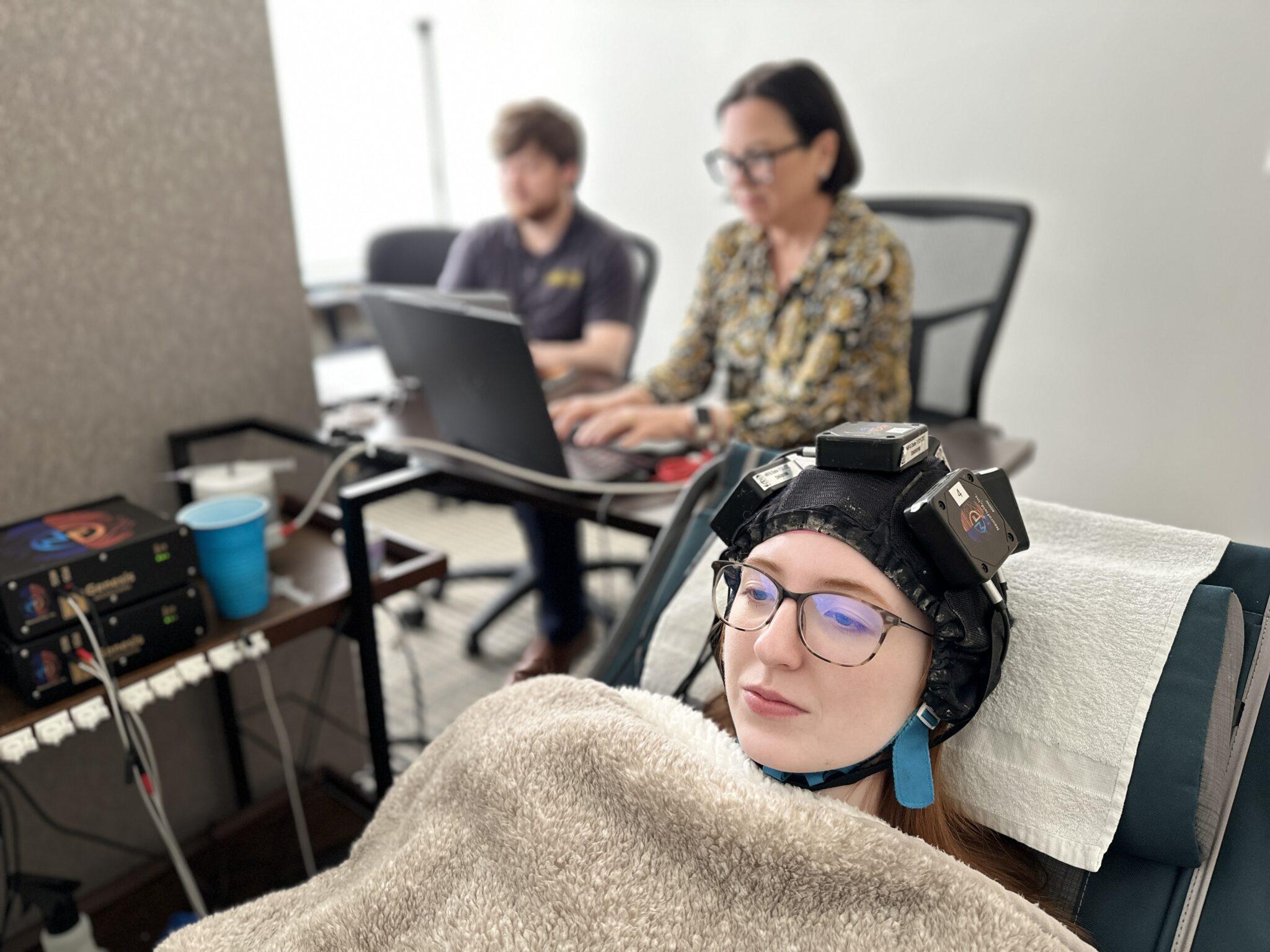
Neurofeedback is one technique that provides feedback based on measured brain activity during training sessions. It may be considered as an additional intervention for selected concerns, depending on the individual and the available evidence.
However, it is important to maintain realistic expectations and understand that no single approach is suitable for everyone.
People researching local options, including newbridge clinic edina, should review the information available and discuss potential interventions with qualified healthcare professionals.
Creating a Supportive Environment for Lifelong Wellness
Mental wellness becomes easier to maintain when individuals have access to supportive environments.
Families, schools, workplaces, healthcare providers, and communities all play important roles in encouraging healthy communication and reducing the stigma surrounding mental health.
Simple actions such as listening without judgment, respecting personal boundaries, and encouraging professional support can make a meaningful difference.
Making Mental Health a Lifelong Priority
Mental wellness changes as people move through different stages of life. The challenges experienced during childhood may differ from those encountered during adulthood or retirement, but the importance of emotional health remains constant.
By developing healthy habits, maintaining supportive relationships, and recognizing when professional assistance is needed, individuals can strengthen their ability to navigate life's transitions.
A lifelong commitment to mental wellness creates opportunities for personal growth, stronger relationships, and a healthier, more fulfilling future.


