
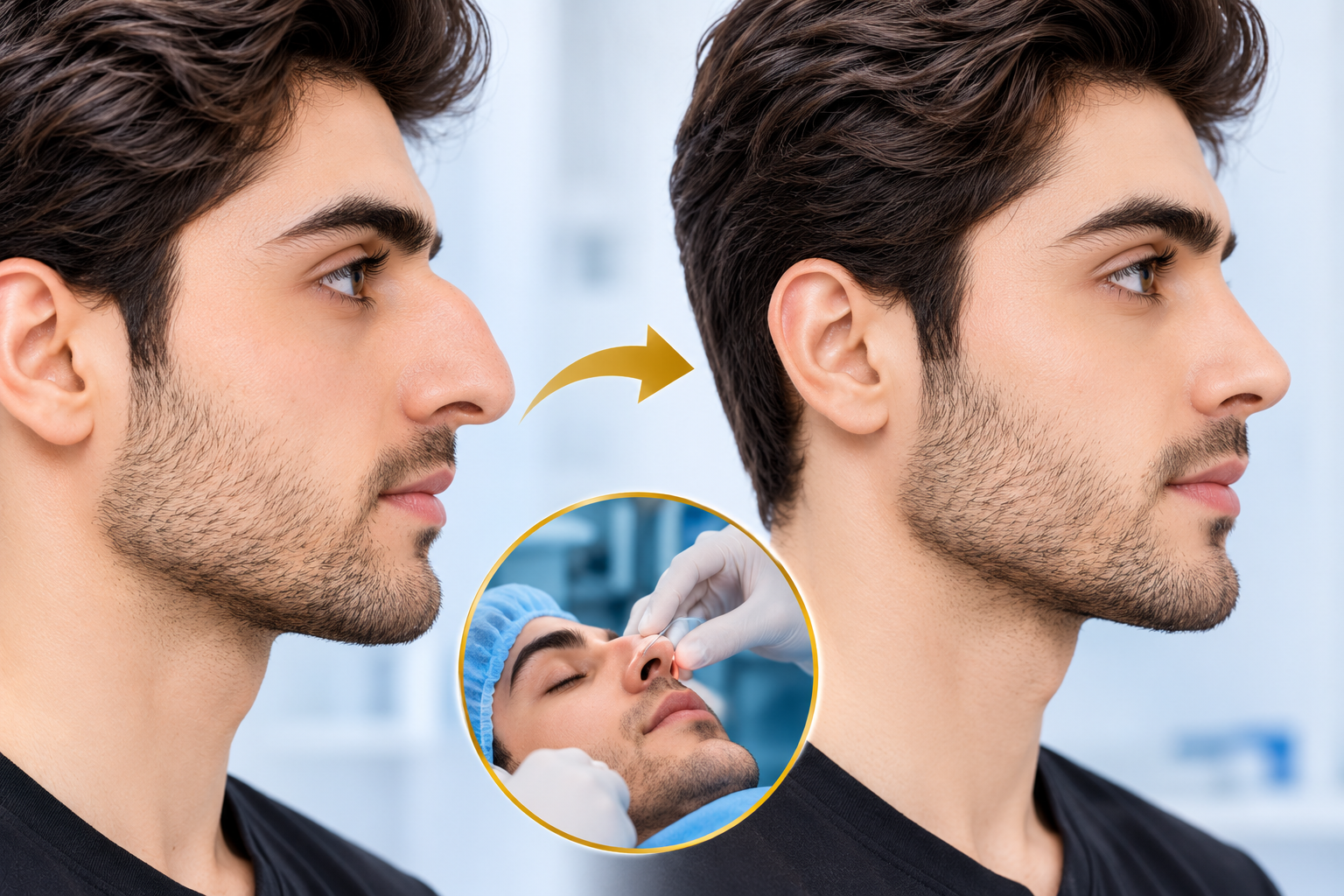
What Are the Most Important Aftercare Tips Following Rhinoplasty in Islamabad?

The operation itself is only half of the story, because the way you care for your nose in the following weeks strongly shapes the final result. Patients who follow instructions carefully tend to heal more comfortably, with less swelling and fewer complications. Rhinoplasty in Islamabad comes with detailed aftercare guidance, and understanding the reasons behind each rule makes it easier to follow them. Some habits protect the new structure, while others support the skin and the airway as they heal. This guide covers the most important aftercare tips in a practical, step by step way.
Why Does Aftercare Matter So Much?
After surgery, the bones and cartilage of the nose are in a new position and are held there only by healing tissue and a splint. Any knock, pressure, or strain during this period can move the structure or increase swelling. Good aftercare also lowers the risk of infection, bleeding, and prolonged swelling. It supports the skin as it shrinks over the new framework. Patients who treat the first weeks seriously are usually happier with the outcome. Aftercare is therefore part of the treatment, not an optional extra.
How Should You Protect the Nose Physically?
Protection is the most important rule. The nose must be kept safe from any impact or pressure while the bones heal. Avoid touching, pressing, or adjusting the splint, and keep it dry and in place until your surgeon removes it. Be careful around children, pets, and crowded places.
The key protective habits include:
- Avoid blowing your nose until your surgeon allows it
- Sneeze with your mouth open
- Do not rest glasses or sunglasses on the bridge
- Avoid contact sports and any risk of impact
- Do not lift heavy objects or strain
- Wear clothing that opens at the front
These simple habits prevent most avoidable setbacks.
What Is the Best Way to Sleep and Rest?
Sleeping position affects swelling more than most people expect. Keep your head raised on extra pillows or a wedge for the first weeks, because elevation helps fluid drain away from the face. Sleep on your back, and avoid lying face down or on your side where the nose could be pressed. Rest is important, but gentle walking helps circulation and lowers the risk of clots. Plan quiet days with light activities. Good rest speeds recovery.
How Do You Manage Pain, Congestion, and Dryness?
Discomfort is usually mild to moderate, and medication prescribed by your surgeon keeps it under control. Congestion is often the more bothersome symptom, because swelling inside the nose blocks airflow. Saline spray, if recommended, keeps the inside of the nose moist and helps clear crusts. Mouth breathing can dry your lips and throat, so drink water and use lip balm. Do not use decongestant sprays or take extra medication without approval. Follow the exact instructions you are given.
What Should You Do and Avoid Over Time?
Aftercare changes as healing progresses, and the rules relax gradually. The table below gives a general overview of what to do at each stage.
| Time | What to Do | What to Avoid |
|---|---|---|
| First week | Rest, elevate your head, keep the splint dry | Touching the nose, blowing, bending forward |
| Weeks 2 to 4 | Short walks, gentle saline rinses if advised | Strenuous exercise, heavy lifting |
| Weeks 4 to 8 | Gradual return to activity | Contact sports, pressure on the nose |
| Months 3 to 12 | Sun protection, regular follow-up | Judging the result too early |
What Elements Support Good Healing?
Good healing depends on several elements working together. A careful operation, clear instructions, and consistent follow-up form the foundation. Healthy habits, patience, and realistic expectations protect the outcome.When these elements come together, patients are better positioned to achieve results they feel comfortable with over time. Glamorous Aesthetic Clinic is committed to providing that level of personalized care, and every recommendation is based on careful assessment of the individual. If you are considering treatment, begin with a professional consultation and choose a provider who values safety, clarity, and realistic expectations.
How Does the Technique Affect Aftercare?
The aftercare is broadly similar for all approaches, with some differences. Closed rhinoplasty uses internal incisions, so there are no external stitches, but you still need to keep the inside of the nose clean and avoid pressure. Open approaches add a small external incision that requires gentle cleaning and sun protection. Your surgeon will give instructions specific to your technique. Follow them exactly, even if a friend had different advice. Personal guidance always comes first.
Are There Special Tips for Men?
Men often face practical challenges that deserve attention. Shaving around the nose and upper lip should be avoided until your surgeon allows it, and gym routines must be paused. Thicker skin may hold swelling longer, which requires patience. A plan for male rhinoplasty should include realistic time off and clear rules about training. Avoid returning to heavy lifting too early. Respecting the timeline protects your result.
How Should You Care for the Skin and Scars?
Skin care is a quiet but important part of aftercare. Keep any external incision clean, and follow your surgeon’s wound care instructions. Protect the nose from the sun, because ultraviolet light can darken healing skin and scars. Use sunscreen once your surgeon permits, and avoid tanning and hot environments in the early weeks. If a scar heals poorly, treatments such as facial scar revision can improve its appearance later. Most patients heal very well with simple care.
Which Follow-Up Visits Are Important?
Follow-up visits allow the surgeon to check healing and remove the splint or stitches. The first visit is usually at the end of the first week, with more visits over the following weeks and months. Do not skip them, even if you feel fine, because small issues are easier to correct early. Bring your questions and photographs of your progress if you like. The surgeon also guides you on when activities can be resumed. Regular review is part of a safe recovery.
When Should You Contact Your Surgeon?
Most symptoms are normal, but some need quick attention. Contact the clinic if you notice heavy or continuous bleeding, fever, severe or worsening pain, or spreading redness. A loosened splint, any injury to the nose, or breathing that is getting worse also needs advice. Chest pain or shortness of breath requires urgent medical care. Do not wait for the next appointment if you are worried. Keep the clinic’s contact details within reach.
FAQs
How long should I keep my head elevated?
Usually for the first couple of weeks, as your surgeon advises.
When can I blow my nose?
Not until your surgeon allows it, often after a couple of weeks.
Can I wear glasses?
Not on the bridge of the nose unless your surgeon says it is safe.
When can I exercise?
Light exercise often resumes after several weeks, if cleared.
Is it normal to have a blocked nose?
Yes, congestion is very common and improves as swelling settles.
Final Thought
The most important rhinoplasty aftercare tips are to protect the nose from any impact, sleep with your head elevated, keep the splint dry, avoid blowing your nose, manage congestion safely, and protect your skin from the sun. Following your surgeon’s timeline and attending every follow-up visit supports the best result. Aftercare is where patients can contribute most to their own outcome. A thorough consultation will give you a personal plan for each stage of healing.
Contact us at our website: https://www.glamaesthetics.com.pk/ for a professional consultation.
Read More:
https://notebook.zohopublic.com/public/notes/pk3d1b54098b28bcb4fd091fbb4c4681f59a5


