
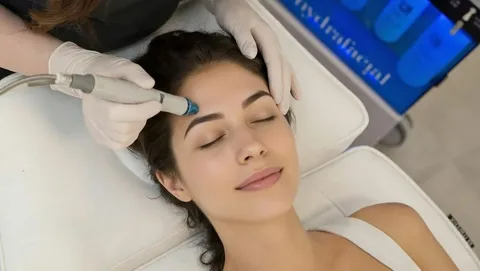
What Happens During a HydraFacial Scottsdale AZ Clients Book for the First Time

Most people book their first HydraFacial after hearing a friend describe the glow, and then spend the days before the visit wondering what the machine actually does to their face. The short answer is that a HydraFacial is a three-part treatment: it cleanses and lightly peels, it clears pores with gentle suction, and it pushes hydrating serums back into the skin. There is no scrubbing, no manual squeezing, and no peeling afterward. This guide walks through a HydraFacial Scottsdale AZ visit from check-in to the final serum, so you know what each step feels like, what it is doing, and what to expect when you look in the mirror on the way out.
The Skin Check That Decides How Your Treatment Is Set Up
Every HydraFacial should start with a short skin check, and it matters more than it sounds. The aesthetician looks at your skin without makeup, asks about your routine, your current products, and anything you are using that thins or sensitizes the skin, such as retinoids or acne prescriptions.
This conversation decides two things. First, which peel strength is used in the cleanse stage, since oily, resilient skin can take a stronger blend than dry or reactive skin. Second, which serums go into the final hydration pass. Someone with breakouts gets a different finish than someone chasing fine lines.
At Evolve Skin Bar in Scottsdale, this check is done by a licensed aesthetician before the handpiece ever touches your face. If you have a sunburn, an active cold sore, or you had a chemical peel in the last two weeks, this is also the moment the visit gets rescheduled rather than pushed through.
Step One: Cleanse and Peel Without the Peeling
The treatment itself begins with a spiral tip that moves across the face in slow, overlapping passes. It does two things at once. A cleansing solution loosens surface oil and makeup residue, and a mild glycolic and salicylic acid blend softens the layer of dead cells sitting on top of the skin.
Clients usually describe this stage as cool and slightly tingly, not the hot sting of a chemical peel, because the acid concentration is low and is flushed away continuously.
The point of this step is preparation. Dead cells and oil block the pores, and they also block the serums applied later. By loosening that layer first, the extraction step works better and the hydration step reaches skin that can actually absorb it.
Step Two: Vortex Extraction, the Part Everyone Asks About
This is the step that separates a HydraFacial from a regular facial. A new tip creates a small vortex of suction and fluid over each pore, lifting out blackheads, sebum, and debris and pulling them into a collection cup on the machine. Nothing is squeezed by hand.
Expect a gentle pulling sensation, strongest around the nose and chin where congestion collects. It is not painful, and it does not leave the red, inflamed patches that manual extractions often do. People with sensitive skin tend to be surprised by how calm their face looks right after.
One note: suction clears what is in the pore right now, not future oil production, so blackheads return over time. That is why extraction works best as a repeated maintenance step.
Step Three: Hydration and the Serums That Do the Real Work
With pores clear, the final pass delivers serums directly into the skin. The standard blend includes hyaluronic acid for water binding, antioxidants to counter environmental stress, and peptides that support a firmer texture. Because the surface was just cleared, the skin takes in more than it would from a product applied at home over a layer of dead cells.
This is also where boosters come in. Depending on the skin check, your aesthetician may add a brightening booster for uneven tone, a clarifying booster for breakout-prone skin, or a growth factor booster for fine lines. Boosters are what turn a general treatment into one built for your concern.
For clients in Arizona, this step carries extra weight. Low humidity pulls moisture out of the skin all year, and the hydration pass is often the part that makes the biggest visible difference by the next morning.
What You See Right After and Over the Next Week
When you sit up, your skin will look clearer and feel noticeably softer, with a light flush that fades within the hour. There is no downtime in the usual sense: you can go back to work, run errands, or head to dinner. Most clients skip makeup that evening simply because the skin looks good without it.
The glow peaks around day two or three and holds for about a week before the skin returns to its normal state. During that window, pores look tighter because they are empty, texture feels smoother, and foundation sits more evenly.
To protect the result, skip exfoliating acids, retinoids, and scrubs for about 48 hours, avoid heavy sweating for the rest of the day, and wear sunscreen. The skin is freshly cleared and takes in sun more easily than usual.
Why the Same Treatment Feels Different at Different Studios
A HydraFacial machine is standardized, but the result depends on who is operating it. Tip selection, peel strength, how many passes each zone gets, and which boosters are chosen all come from the aesthetician's judgment. A rushed treatment that skips the skin check tends to use default settings, and default settings produce average results.
A licensed aesthetician who treats a wide range of Arizona skin also knows how dehydration, sun exposure, and heat affect what the skin can handle. That experience shows up in small decisions, like easing off suction on a thin-skinned area or switching to a gentler peel on someone who has been outdoors all week.
Frequently Asked Questions
Does a HydraFacial hurt?
No. Most clients describe a cool tingling during the peel stage and a light pulling sensation during extraction. There is no pain, no numbing, and no recovery time afterward.
Is a HydraFacial the same as microdermabrasion?
No. Microdermabrasion sands the surface with crystals or a diamond tip and can leave skin red and dry. A HydraFacial uses water-based exfoliation and suction, then adds hydration, so the skin is left calm rather than stripped.
Can I wear makeup after a HydraFacial?
You can, but most clients wait until the next morning so the serums can settle. If you need to apply makeup the same day, use a clean brush and mineral formulas where possible.
How should I prepare for my first HydraFacial?
Stop retinoids, exfoliating acids, and scrubs about three days before, arrive without heavy makeup, and avoid getting sunburned the week of your visit. At Evolve Skin Bar, the aesthetician will also ask about any prescriptions you use on your skin.
How soon will I see results?
Skin looks clearer and feels smoother immediately, with the glow peaking two to three days later. Results from a single visit last about a week, and they build with regular sessions.
Book Your First HydraFacial With a Licensed Aesthetician
Knowing what each step does takes the guesswork out of a first visit. If you want the treatment performed by a licensed aesthetician who starts with a real skin check and adjusts every stage to your skin, Evolve Skin Bar offers HydraFacial at its studio on E 1st Ave in Scottsdale, AZ, with free parking close to the door. Reach out through the contact page to ask questions or set up your appointment.


