
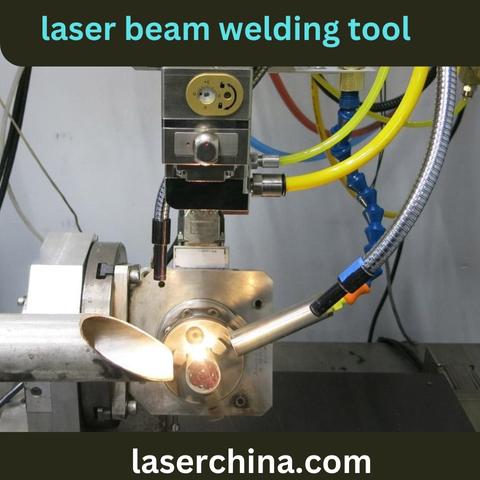
Laser Beam Welding Tool: Precision Technology for Modern Metal Joining
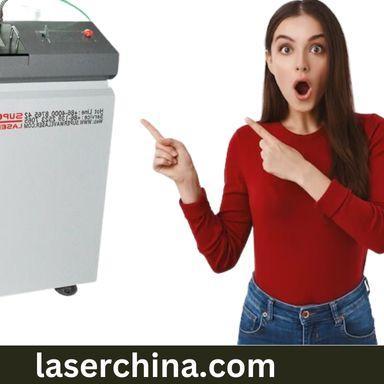
A laser beam welding tool is an advanced piece of equipment designed to join metal components using a highly concentrated laser beam. It delivers controlled heat to a specific area, allowing metal surfaces to melt and fuse together with precision. This technology is becoming increasingly popular in modern manufacturing because industries require accurate, consistent, and efficient welding solutions.
From small workshops to large industrial production facilities, laser welding technology is transforming how manufacturers handle metal fabrication and assembly projects.
How Does a Laser Beam Welding Tool Work?
A laser beam welding tool system generates a powerful beam of light that is directed toward the welding area. The concentrated energy heats the metal surfaces until they reach their melting point. As the material cools, the molten sections solidify and create a strong connection.
Modern systems commonly use fiber laser sources because they provide stable energy output and reliable performance. Depending on the application, manufacturers can select different power configurations, beam settings, and welding modes.
The operator guides the laser welding head along the joint, maintaining the required distance and movement speed. Proper adjustment of laser power, focal position, and welding speed helps achieve consistent results.
Applications Across Different Industries
Laser welding equipment is used in various manufacturing sectors where precision and dependable metal joining are essential.
Automotive Manufacturing: Automotive manufacturers use laser welding for body components, metal panels, structural parts, and selected battery assembly processes. Accurate welding helps maintain production consistency.
Electronics Production: Electronic manufacturers require precise joining for small metal components, connectors, housings, and other delicate assemblies. Controlled laser energy makes this process suitable for many applications.
Aerospace Industry: Aerospace manufacturing involves specialized metal components that require carefully controlled joining processes. Laser welding is used for selected applications involving stainless steel, titanium, and other compatible materials.
Metal Fabrication: Fabrication workshops use laser welding systems to join stainless steel sheets, carbon steel components, aluminium parts, and other metals, depending on machine specifications.
Medical Equipment Manufacturing: Certain medical instruments and equipment components require accurate metal joints. Laser welding can support manufacturing processes where small welding areas and controlled heat input are important.
Choosing the Right Welding Equipment
Selecting suitable equipment requires understanding your production requirements. Different materials, thicknesses, and joint designs may require different machine configurations.
Laser power is an important consideration because it influences the thickness of materials that can be processed and the welding speed. Buyers should also evaluate the laser source, cooling system, welding head, control interface, and available operating modes.
For workshops handling different projects, a handheld system may offer greater flexibility. Automated laser welding equipment can be more suitable for manufacturers operating continuous production lines.
Before purchasing a laser beam welding tool, check whether the machine supports your intended materials and welding thicknesses. It is also important to confirm the availability of technical support, replacement components, training, and maintenance services.
Understanding Laser Welding Quality
Welding quality depends on several technical factors. Laser power, travel speed, focal position, shielding gas, and joint preparation all influence the final result.
Incorrect settings may cause incomplete penetration, excessive heat, porosity, or inconsistent weld formation. Therefore, operators should follow the manufacturer's recommended parameters and conduct material-specific testing before starting large production batches.
Proper cleaning of metal surfaces is equally important. Oil, dust, oxidation, and other contaminants can affect welding consistency. Regular equipment inspection also helps maintain stable operation over time.
Safety and Equipment Maintenance
Operating laser welding equipment requires appropriate safety precautions. High-powered laser beams can cause serious eye and skin injuries. Operators should use suitable laser safety eyewear, protective clothing, and properly designed work areas.
Manufacturers should also provide appropriate ventilation or fume extraction, safety enclosures where required, and emergency stopping arrangements.
Routine maintenance should include checking protective lenses, inspecting cables and connections, monitoring cooling performance, and keeping the welding head clean. Following the equipment manufacturer's maintenance schedule can help reduce unexpected downtime.
Final Thoughts
Laser welding technology continues to create new opportunities for manufacturers looking to improve metal fabrication processes. Choosing the right laser beam welding tool requires careful consideration of material compatibility, laser power, production requirements, safety systems, and after-sales support.
Whether you operate a small fabrication workshop or a large manufacturing facility, investing in suitable laser welding equipment can help establish a more controlled and modern production process. Understanding your application before purchasing will help you select equipment that matches your technical and business requirements.


