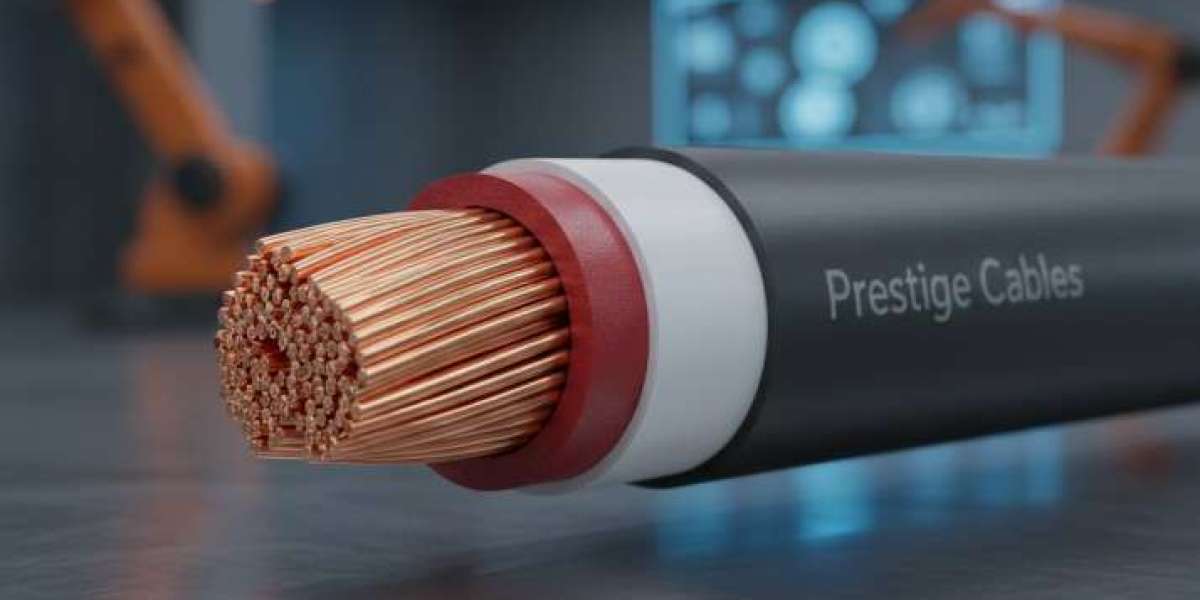
Rubber Trailing Cables are flexible electrical power cables specially developed for moving and heavy-duty machinery. These cables maintain continuous power supply while equipment such as draglines, excavators, stacker-reclaimers, and mobile industrial machines operate and change position.
They are extensively used in industrial environments including:
- Steel manufacturing units
- Cement industries
- Dockyards and ports
- Power generation plants
- Automobile manufacturing units
- Refineries
- Petrochemical facilities
Types of Rubber Trailing Cables
Different applications require different rubber compounds. Common variants include:
- Ethylene Propylene Rubber (EPR) cables
- Chlorosulfonated Polyethylene (CSP) cables
- Neoprene rubber cables
- Natural rubber cables
- Silicone rubber cables
Key Characteristics
Manufacturers design these cables for durability and performance in harsh working environments.
- EPR cables – High flexibility and resistance to heat, ozone, and weathering (ideal for mining and offshore use)
- CSP cables – Strong resistance against abrasion, oil, and chemicals (suited for construction and steel plants)
- Neoprene cables – Multi-purpose industrial usage including welding equipment
- Natural rubber cables – Excellent bending endurance and fatigue resistance for cranes and conveyors
Additional advantages:
- Flame retardant construction
- UV resistance
- Reliable performance in low temperatures
Important Buying Considerations
When selecting Rubber Trailing Cables, evaluate:
- Compliance with safety standards
- Operating environmental conditions
- Flexibility requirement
- Electrical load capacity
- Mechanical stress resistance
- Overall cost efficiency