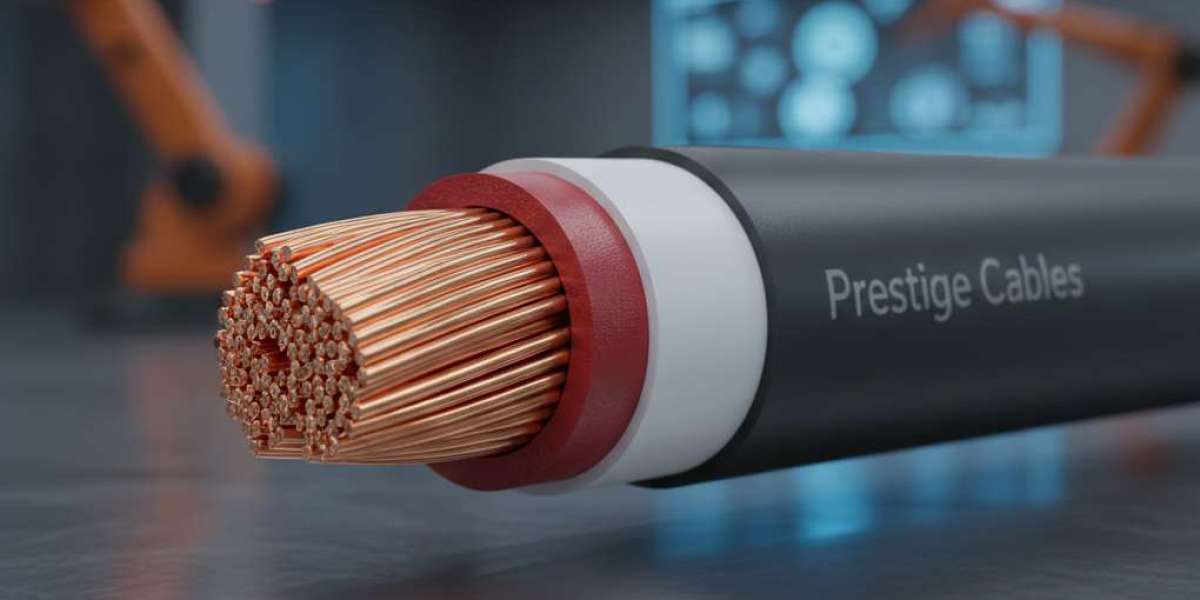
Rubber Trailing Cables are heavy-duty flexible power cables designed to supply electricity to continuously moving industrial equipment. They enable machines like excavators, draglines, stackers, and reclaimers to operate efficiently without power interruption.
Industries relying on these cables include:
- Metal and steel production
- Cement manufacturing
- Port handling operations
- Power generation facilities
- Automobile plants
- Oil & gas refineries
- Petrochemical complexes
Available Cable Variants
The performance of trailing cables depends on rubber compound type:
- Ethylene Propylene Rubber (EPR)
- Chlorosulfonated Polyethylene (CSP)
- Neoprene rubber
- Natural rubber
- Silicone rubber
Functional Advantages
Different materials provide specialized benefits:
- EPR: weather-resistant and highly flexible
- CSP: chemical and oil resistant
- Neoprene: durable for industrial equipment
- Natural rubber: excellent bending endurance
Additional performance properties:
- Flame resistance
- UV protection
- Cold climate adaptability
Selection Guidelines
To select appropriate Rubber Trailing Cables, assess:
- Safety certification requirements
- Site conditions and exposure
- Mechanical wear and tear
- Electrical specifications
- Flexibility needs
- Economic viability