
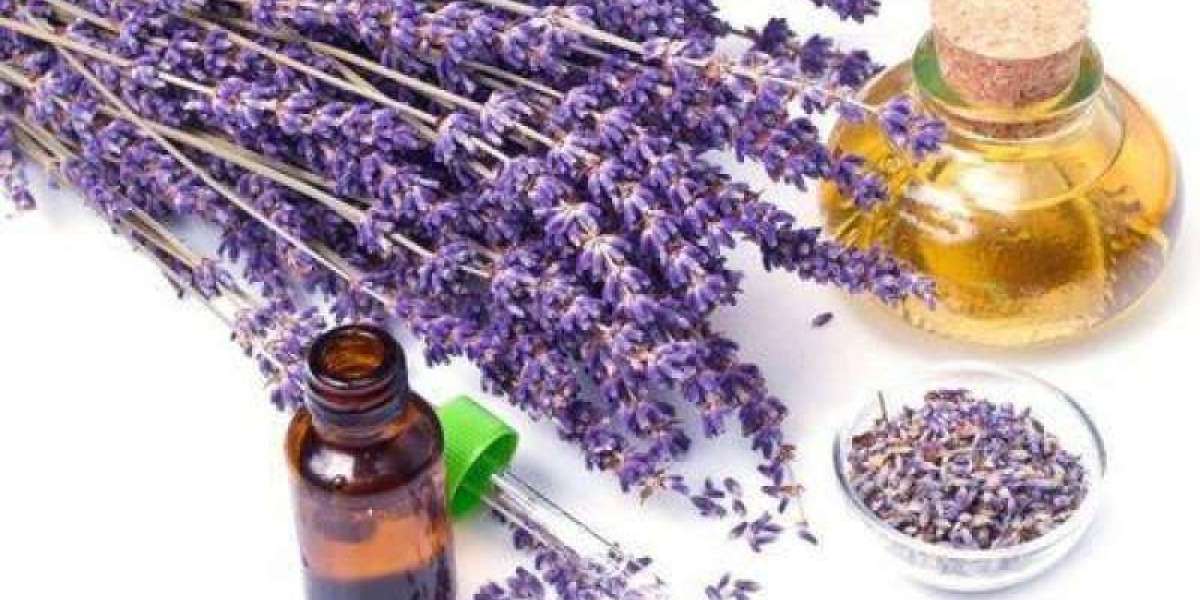
Humans have been captivated by the power of plants for thousands of years. Among the most treasured gifts of nature are essential oils, highly concentrated plant extracts that carry the distinctive fragrance and therapeutic compounds of the plants from which they are derived. These oils have played a significant role in traditional medicine, spiritual rituals, and beauty practices across cultures, and continue to hold a place in modern wellness routines.
Origins and Historical Significance
The use of essential oils dates back thousands of years, with records in ancient civilizations like Egypt, China, and India highlighting their value. Egyptians were pioneers in aromatherapy, employing essential oils in embalming, cosmetics, and religious ceremonies. Lavender, frankincense, and myrrh were used not only for fragrance but also for their purported healing properties. In ancient China, essential oils were integrated into traditional medicine to treat a variety of ailments, while Ayurveda — the ancient Indian system of medicine — emphasized the therapeutic and restorative effects of these plant extracts.
During the Middle Ages in Europe, essential oils gained popularity as medicinal and preservative agents. Monks and herbalists distilled flowers, leaves, and resins to extract their “essence,” believing that these oils captured the healing spirit of the plants. Over time, the practice evolved, bridging traditional knowledge with the scientific exploration of plant chemistry, which allowed for more precise extraction techniques and broader applications.
Extraction Methods
The potency and quality of essential oils largely depend on how they are extracted. The two most common methods are steam distillation and cold pressing, although newer techniques such as solvent extraction and CO2 extraction are also used for certain plants.
Steam distillation is the most widely used method. Plant material is placed in a distillation chamber where steam passes through it, vaporizing the volatile compounds. The steam carrying these compounds is then cooled, allowing the oil to separate from water. This method is particularly effective for flowers, leaves, and stems.
Cold pressing is used primarily for citrus fruits such as oranges, lemons, and limes. The peel is mechanically pressed to release the oils without applying heat, preserving the delicate aromatic compounds that could be destroyed by high temperatures.
Other methods, like solvent extraction or CO2 extraction, are often employed for delicate flowers such as jasmine, which cannot withstand high heat. Solvent extraction uses a chemical solvent to dissolve the plant’s aromatic compounds, while CO2 extraction uses pressurized carbon dioxide to capture the oil in a highly pure form. Each method has its advantages and limitations, but the goal remains the same: to extract the pure essence of the plant while retaining its therapeutic properties.
How Essential Oils Work
Essential oils interact with the human body in remarkable ways, influencing both the mind and the body. When inhaled, the aromatic molecules enter the nasal passages and stimulate the olfactory system, which is closely connected to the brain’s limbic system — the region responsible for emotions, memory, and behavior. This explains why certain scents, like lavender or peppermint, can evoke calming or energizing effects almost immediately.
Topical application is another common route for essential oils. When diluted with a carrier oil, the oils can penetrate the skin and reach the bloodstream, exerting localized or systemic effects. Oils such as tea tree and eucalyptus have antimicrobial and anti-inflammatory properties, making them popular in skincare and wellness routines. The key is proper dilution and responsible use, as undiluted oils are highly concentrated and can irritate the skin.
Essential oils are also used in aromatherapy, a therapeutic practice that leverages their scent to improve psychological and physical well-being. Studies have shown that inhaling certain essential oils can reduce stress, improve mood, and even alleviate mild pain. While research is ongoing, many people report significant benefits when using these oils in combination with relaxation techniques, massage, or meditation.
Modern Applications
Today, essential oils are found in countless forms: diffusers, bath products, skincare items, hair treatments, and even household cleaning products. Their versatility and natural origin make them appealing for individuals seeking holistic wellness solutions. Popular oils include lavender for relaxation, peppermint for focus and energy, eucalyptus for respiratory support, and tea tree for its antimicrobial properties.
In the beauty industry, essential oils are prized for their aromatic qualities and potential skin benefits. They are commonly added to soaps, lotions, and hair products to enhance fragrance and provide gentle therapeutic effects. Additionally, essential oils are used in eco-friendly cleaning solutions, leveraging their antimicrobial properties and pleasant scents as alternatives to harsh chemicals.
Safety and Responsible Use
Despite their benefits, essential oils must be used responsibly. They are highly concentrated and potent, meaning improper use can lead to skin irritation, allergic reactions, or other adverse effects. Always dilute essential oils with carrier oils before topical application, avoid ingesting them without professional guidance, and keep them out of reach of children and pets.
Patch testing is recommended for new oils to ensure compatibility with the skin. Some oils, such as citrus or cinnamon, are photosensitive or more irritating and require careful handling. Storing essential oils in dark, airtight glass containers away from sunlight and heat preserves their potency and extends their shelf life.