At first glance, all microSD cards may look the same—small, compact, and widely used across devices. But when it comes to industrial applications, choosing between an industrial flash memory microSD and a consumer-grade microSD can significantly impact performance, reliability, and long-term costs.
If you're working with embedded systems, automation, or mission-critical environments, understanding the differences is essential. Let’s break it down in a clear and practical way.
What Is a Consumer microSD Card?
Consumer microSD cards are designed for everyday use, such as:
- Smartphones
- Cameras
- Tablets
- Personal storage
✔️ Key Characteristics:
- Optimized for cost and capacity
- Suitable for light to moderate usage
- Limited durability under harsh conditions
? Best for non-critical, general-purpose applications.
What Is an Industrial Flash Memory microSD?
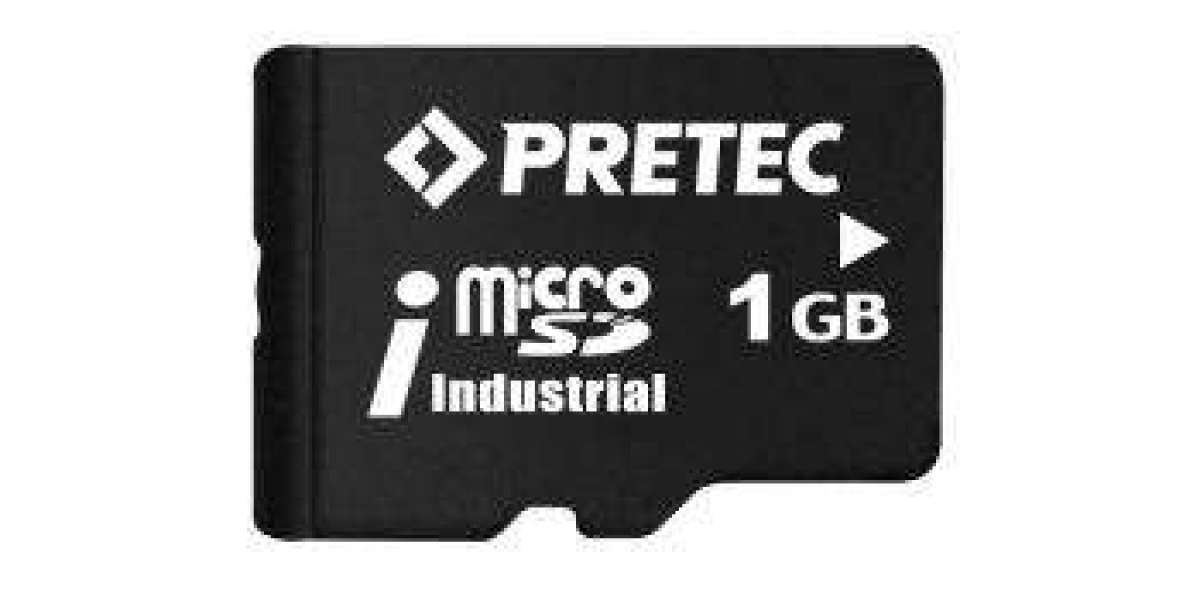
Industrial microSD cards are specifically engineered for demanding environments and continuous operation.
✔️ Key Characteristics:
- Built for high endurance and reliability
- Supports wide temperature ranges (-40°C to +85°C)
- Includes advanced features like wear leveling and error correction (ECC)
- Designed for long lifecycle availability
? Ideal for industrial, embedded, and mission-critical systems.
Key Differences Between Industrial and Consumer microSD
? 1. Endurance & Lifespan
Industrial microSD:
- High endurance (designed for continuous read/write cycles)
- Longer lifespan
Consumer microSD:
- Limited write cycles
- Faster wear-out under heavy usage
? Impact: Industrial cards reduce the need for frequent replacements.
? 2. Temperature & Environmental Resistance
Industrial microSD:
- Operates in extreme temperatures (-40°C to +85°C)
- Resistant to shock, vibration, and humidity
Consumer microSD:
- Typically operates between 0°C to 70°C
- Not designed for harsh environments
? Impact: Industrial cards ensure stability in real-world industrial conditions.
? 3. Data Reliability & Protection
Industrial microSD:
- Equipped with ECC (Error Correction Code)
- Advanced wear leveling
- Power-failure protection features
Consumer microSD:
- Basic data protection
- Higher risk of data corruption under stress
? Impact: Industrial cards provide secure and consistent data storage.
? 4. Performance Consistency
Industrial microSD:
- Stable and predictable performance
- No sudden speed drops
Consumer microSD:
- Performance may degrade over time
- Speed fluctuations under continuous use
? Impact: Industrial cards are better for real-time and critical systems.
? 5. Lifecycle & Availability
Industrial microSD:
- Long-term availability (5–10+ years)
- Consistent specifications across batches
Consumer microSD:
- Frequently updated or discontinued
- Specs may change without notice
? Impact: Industrial cards are ideal for long-term projects and OEM use.
? 6. Cost vs Value
Industrial microSD:
- Higher upfront cost
- Lower total cost of ownership (TCO)
Consumer microSD:
- Lower initial price
- Higher long-term costs due to failures and replacements
? Impact: Industrial cards offer better ROI for business use.
When Should You Use Industrial microSD?
Choose industrial microSD if your application involves:
- Continuous data logging
- Harsh environmental conditions
- Mission-critical systems
- Embedded or IoT devices
- Industrial automation
When Is Consumer microSD Enough?
Consumer microSD is suitable for:
- Personal devices
- Light storage needs
- Non-critical applications
- Occasional data usage
Real-World Use Cases
? Industrial microSD
- Factory automation systems
- Surveillance and security systems
- Medical devices
- Transportation and automotive systems
- IoT and edge computing
? Consumer microSD
- Smartphones and tablets
- Cameras and drones
- Personal media storage
Common Mistake to Avoid
One of the biggest mistakes businesses make is:
? Using consumer microSD cards in industrial environments
This can lead to:
- Unexpected failures
- Data loss
- Increased downtime
- Higher maintenance costs
Final Thoughts
While consumer microSD cards may seem like a cost-effective option, they are not built for industrial demands. On the other hand, industrial flash memory microSD cards deliver:
- Higher reliability
- Longer lifespan
- Better performance consistency
- Lower long-term costs
Conclusion
Choosing between industrial and consumer microSD comes down to application needs.
? If your systems require stability, durability, and long-term performance, investing in industrial microSD is the smarter choice.
Read More: https://tecsysproductguides.blogspot.com/2026/04/industrial-flash-memory-microsd-vs.html