In industrial automation, data integrity is critical. PLCs, process controllers, CNC machines, robotics systems, and industrial HMIs constantly store operational parameters, calibration values, production counters, alarm histories, and process data. A sudden power failure can result in the loss of this information, leading to downtime, production errors, and expensive recovery procedures.
This is why Battery Backed SRAM (BBSRAM) continues to play an important role in PLC and process control applications. Unlike standard SRAM, which loses data immediately when power is removed, battery backed SRAM combines the speed of SRAM with non-volatile data retention, making it ideal for industrial systems that require both fast access and reliable backup storage.
If you are selecting a memory module for a new automation project or replacing an obsolete NVRAM device, this guide will help you choose the right battery backed SRAM for your application.
What Is Battery Backed SRAM?
Battery backed SRAM is a static RAM device integrated with a backup power source, typically a lithium battery. During normal operation, the memory behaves like standard SRAM, providing extremely fast read and write access. When the main power supply fails, the backup battery automatically maintains the stored data for an extended period, often 5 to 10 years or more.
This makes BBSRAM particularly suitable for:
- PLC parameter storage
- Process control setpoints
- Machine configuration data
- Alarm and event logging
- Production counters
- Calibration values
- Recipe management systems
- Industrial data loggers
Why PLCs and Process Control Systems Need BBSRAM
Modern PLCs process thousands of I/O operations per second. Many applications require memory that can be written frequently without the wear limitations associated with Flash or EEPROM.
Battery backed SRAM offers several advantages:
- Unlimited write cycles
- Fast access times
- No erase-before-write delay
- Low latency for real-time systems
- Reliable power-loss data retention
For process control applications where parameters may change continuously, these characteristics are extremely valuable.
Key Factors to Consider Before Buying
- Memory Capacity
The first step is determining how much data must be retained.
Typical capacities include:
- 2K × 8
- 8K × 8
- 32K × 8
- 64K × 8
- 128K × 8 and higher
For many legacy PLC and industrial controller applications, an 8K × 8 (64 Kbit) module is sufficient for storing configuration parameters and operational data.
- Access Time
Process control systems often require deterministic response times.
Choose a device with an access time compatible with your controller bus, such as:
- 55 ns
- 70 ns
- 100 ns
- 120 ns
Faster access times are generally preferred for high-speed industrial control systems.
- Voltage Compatibility
Most industrial controllers operate at 5V, although some newer embedded systems use 3.3V.
Always verify:
- Operating voltage
- Standby voltage
- Bus interface compatibility
- Logic level requirements
Using the wrong voltage can cause unreliable operation or permanent damage to the controller.
- Backup Retention Time
Battery life is one of the most important purchasing criteria.
Look for modules that provide:
- Automatic switchover to battery mode
- Ultra-low standby current
- Long-life lithium battery
- 10-year typical data retention
For critical industrial equipment, longer retention time reduces maintenance requirements and improves system reliability.
- Package and Pin Compatibility
Many industrial systems use JEDEC-standard 28-pin DIP packages. Selecting a pin-compatible replacement allows maintenance teams to upgrade obsolete memory modules without redesigning the PCB.
Check:
- Pinout compatibility
- Package dimensions
- Socket compatibility
- Address and control signal mapping
This is especially important when replacing legacy PLC memory modules.
Battery Backed SRAM vs Other Memory Technologies
Feature | BBSRAM | Flash | EEPROM | FRAM |
Read/Write Speed | Excellent | Moderate | Slow | Excellent |
Write Endurance | Unlimited | Limited | Limited | Very High |
Power-Loss Retention | Excellent | Excellent | Excellent | Excellent |
Real-Time Performance | Excellent | Moderate | Poor | Excellent |
Legacy PLC Compatibility | Excellent | Moderate | Moderate | Limited |
For legacy industrial controllers and real-time process systems, battery backed SRAM often remains the most practical and compatible solution.
Important Features for Industrial Applications
When evaluating industrial-grade BBSRAM modules, prioritize the following features:
Automatic Write Protection
Prevents corrupted data during power-down events.
Low Standby Current
Extends battery retention life.
Industrial Temperature Range
For harsh environments, choose modules rated for:
- 0°C to +70°C
- -20°C to +85°C
- -40°C to +85°C for extreme applications
Rugged Construction
Industrial-grade components improve resistance to vibration, shock, and electrical noise.
Common PLC and Process Control Applications
PLC Backup Memory
Stores ladder logic parameters, timers, counters, and configuration data.
Process Control Systems
Retains PID settings, alarm thresholds, and process recipes during power interruptions.
CNC Machines
Preserves machine offsets, tool tables, and calibration information.
Industrial HMIs
Maintains user settings, historical data, and operational preferences.
Data Acquisition Systems
Ensures temporary data storage remains intact until power is restored.
Signs You Need a Replacement
Consider replacing your existing BBSRAM module if you experience:
- Loss of PLC parameters after shutdown
- Battery low alarms
- Intermittent memory errors
- Corrupted configuration data
- Failure to retain process settings
- Aging equipment with obsolete memory components
Proactive replacement is usually far less expensive than unexpected production downtime.
Recommended Selection Checklist
Before purchasing, confirm the following:
Electrical
- Correct voltage
- Compatible access time
- Matching bus interface
Mechanical
- Package type
- Pin compatibility
- Mounting dimensions
Reliability
- Industrial temperature rating
- Backup retention specification
- Automatic write protection
- Long-life lithium battery
Support
- Availability of technical documentation
- Long-term product availability
- OEM support options
- Replacement compatibility guidance
Why TecSys Battery Backed SRAM Solutions?
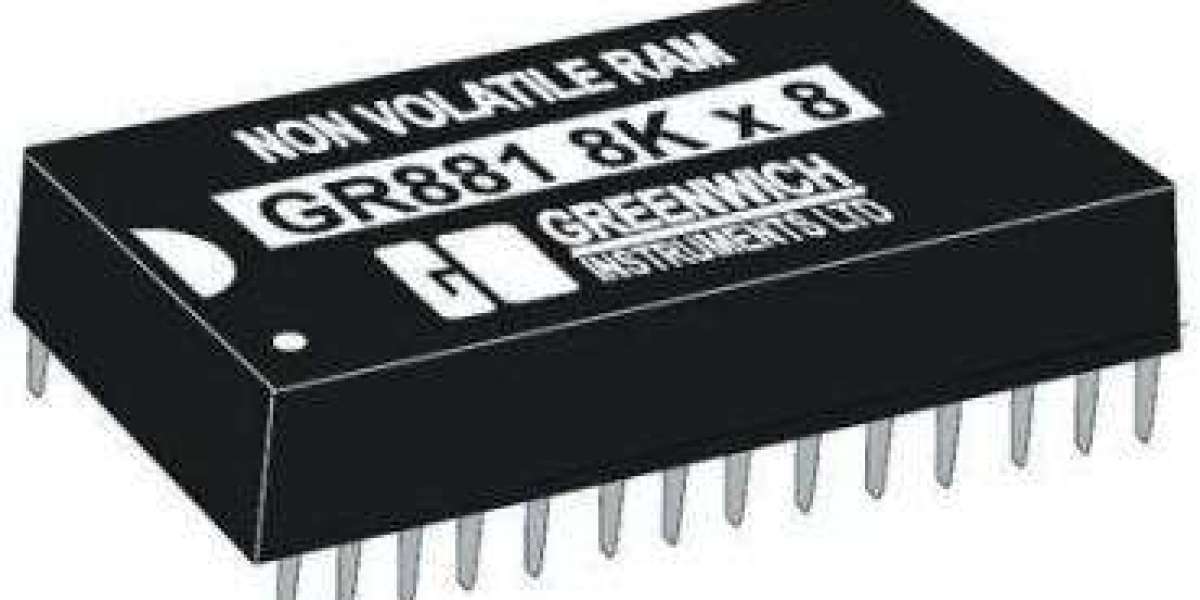
TecSys provides industrial memory solutions designed for automation, embedded systems, and process control environments. Modules such as the GR881 Memory Module offer:
- 8K × 8 CMOS SRAM architecture
- Integrated lithium battery backup
- JEDEC-compatible pinout
- Fast 100 ns access time
- Automatic power-down protection
- Long-term data retention
- Industrial-grade reliability
These features make them well suited for PLC systems, industrial controllers, robotics equipment, and legacy automation platforms that require dependable non-volatile SRAM performance.
Final Buying Recommendation
For most PLC and process control applications, the best battery backed SRAM is not simply the cheapest option—it is the one that provides the right combination of:
- Capacity
- Speed
- Voltage compatibility
- Long-term data retention
- Industrial reliability
- Pin-compatible integration
If you are working with legacy automation equipment, replacing an existing SRAM or NVRAM device with a JEDEC-compatible industrial battery backed SRAM module is often the safest and most cost-effective approach.
By choosing a high-quality industrial solution such as the TecSys GR881 Battery Backed SRAM Module, OEMs and maintenance teams can protect critical process data, minimize downtime, and extend the operational life of valuable industrial equipment.
Read More: https://tecsysproductguides.blogspot.com/2026/07/how-to-choose-right-battery-backed-sram.html