
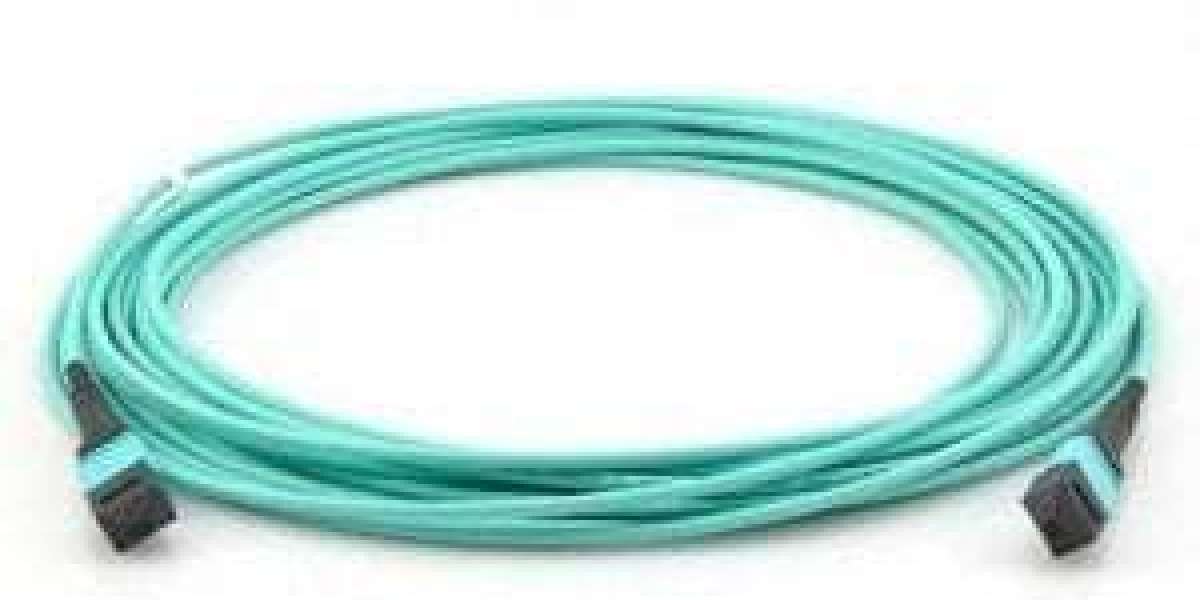
Preparing a site for fiber deployment may sound complicated, but with a proper plan the process becomes far more manageable. The work requires careful surveying, cable routing decisions, testing, and the correct equipment. The first step is usually to examine how the fiber infrastructure will enter and move through the space. During this early stage, technicians often determine where to place junction boxes, termination points, and racks. They also evaluate which cables and connectors will be needed, including items such as an mtp mpo fiber patch cable for linking high-density equipment. This planning lays the foundation for a smooth installation.
Once the entry points and cable paths are mapped out, the physical environment should be checked. Fiber systems are sensitive to bending, crushing, and dirt, so the space must be kept clean and clear of obstacles. Construction debris, old wiring, and unused hardware should be removed before running any cable. Many teams also install cable trays or ladder racks in advance to ensure that fibers can travel along predictable paths without sharp turns. These supports reduce stress on the cable and make future maintenance easier. At the same time, technicians label all major routes and assign identifiers to rooms, racks, and termination panels. Good labeling avoids confusion and saves time once installation begins.
Proper tools are another key part of site preparation. Fiber deployment requires precision cutting tools, cleavers, and protective gloves. Technicians may also bring crimping tools, inspection scopes, and cleaning kits for connectors. With these instruments ready, it becomes much easier to splice, connect, and test cables without damaging them. Safety also matters during setup. Workers should wear safety glasses and handle fiber shards with care, as the glass fragments can be dangerous. This careful approach protects both the hardware and the people doing the work.
After basic preparation, attention shifts to testing the environment. Before any fiber is pulled, installers often conduct signal path tests using temporary cables and light sources. These checks confirm that planned routes do not interfere with other systems. They also verify that there is sufficient space in conduits and trays. In larger sites, airflow and cooling may be tested to ensure that networking equipment will remain stable once the system is active. This step is especially important in data centers and telecom rooms where heat levels rise quickly.
When the site passes these environmental tests, the next phase involves cable management and staging. Coils of cable are organized so that they can be pulled smoothly through the building. Technicians may measure and cut lengths in advance to avoid waste and to speed up installation. During this part of the process, decisions are made about which type of fiber cable to use depending on distance, density, and bandwidth needs. High-density connections sometimes rely on an mtp fiber optic cable because it supports multiple fibers in a compact form and can link network switches, patch panels, and distribution frames with minimal space usage. Proper selection at this stage helps ensure that the network can scale in the future.
With the cable type chosen and staged, pulling and termination can begin. Pulling fiber requires patience and coordination. Installers must avoid bending the cable too tightly and prevent it from rubbing against sharp surfaces. Once the fiber reaches its final destination, it is terminated and connected to adapters or panels. Termination quality is crucial because poor alignment or contamination can severely weaken the signal. For this reason, technicians clean connectors, inspect them under magnification, and re-polish if needed.
After termination, detailed testing is performed. Instruments such as optical time-domain reflectometers (OTDRs) and power meters check the strength and clarity of the signal along the entire cable path. These measurements verify that the fiber installation meets performance standards. If defects are found—such as high loss or reflections—technicians troubleshoot and correct the issue before final approval. Clear documentation is produced to record test results, cable routes, and equipment locations. Future maintenance and upgrades become much easier when accurate records exist.
The last stage in preparing a site for fiber deployment focuses on future readiness. Technicians review the layout to ensure that it can handle additional fiber lines or higher data demands. They also secure cables using Velcro straps or similar non-damaging fasteners to prevent stress and tangling. In some cases, networks require specialized fan-out solutions to connect multiple ports from a single high-density connector. In that situation, an mtp breakout cable can be used to divide a multi-fiber connection into individual channels for servers, switches, or panels. This approach supports scalability and keeps the installation organized over time.
In conclusion, preparing a site for fiber deployment involves more than just pulling cable. It requires careful planning, the right tools, proper testing, and smart organization. When done correctly, the network becomes easier to manage, more reliable, and better prepared for future growth.