
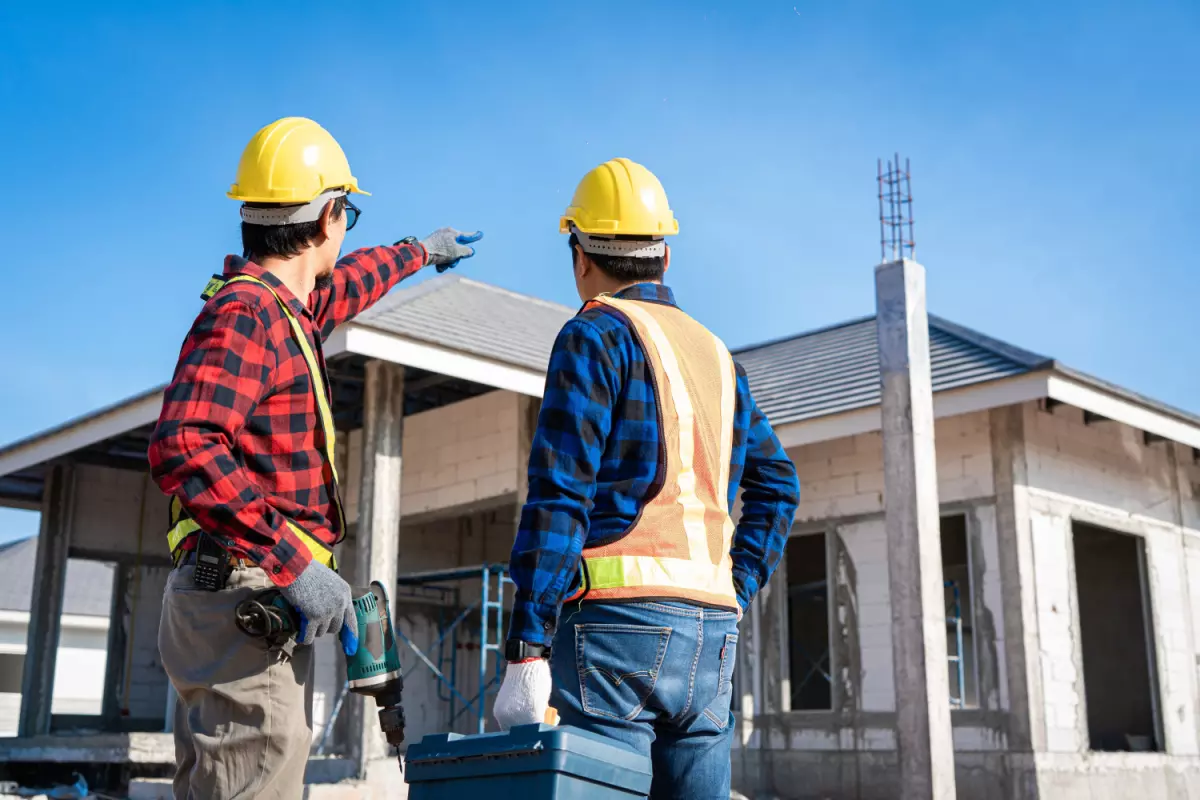

Building a house is an important investment that requires careful planning, suitable materials, and skilled workers. Whether you are planning a small family home or a large residential property, every stage of construction needs proper attention. Home construction involves several steps, starting with choosing the right location and preparing the building plans, followed by foundation work, framing, roofing, electrical installation, plumbing, and finishing. Each stage contributes to the strength, safety, and appearance of the finished property. Understanding the construction process before starting can help homeowners make better decisions, manage their budgets, and avoid unnecessary delays. A clear plan also makes it easier to communicate with contractors and other building professionals.
Planning Your House Before Construction
Good planning is the foundation of a successful building project. Before starting work, homeowners should decide on the house size, number of rooms, layout, design, and important features. They should also consider the needs of their family and how the property may be used in the future. During home construction, proper planning helps determine the amount of materials, labor, and equipment required for the project. It is important to prepare suitable architectural and structural drawings before beginning any physical work. Property owners should also check local building regulations and obtain the necessary permits. Taking time to organize these details can prevent confusion and costly changes later.
Setting a Realistic Construction Budget
Budgeting is one of the most important parts of building a new house. Expenses may include land preparation, foundation materials, labor, roofing, plumbing, electrical systems, windows, doors, and interior finishes. Homeowners should also consider permit fees, transportation, and unexpected costs. A realistic budget helps keep spending under control throughout the project. It is useful to request estimates from different contractors and compare what each quotation includes. Property owners should not focus only on the lowest price because material specifications and workmanship can vary. Keeping additional money available for unexpected expenses can make the entire construction process easier to manage.
Choosing the Right Location and Preparing the Land
The location of a house affects its convenience, value, and long-term maintenance requirements. Before purchasing land, consider road access, drainage, nearby facilities, soil conditions, and local building regulations. The ground should be suitable for the planned structure, and a soil assessment may be needed to determine its bearing capacity. During home construction in Las Vegas, land preparation may involve clearing vegetation, removing unsuitable materials, leveling the surface, and marking the building layout. Proper site preparation helps create a suitable base for foundation work. Homeowners should also discuss drainage arrangements and utility connections before construction begins to avoid problems during later stages.
Building a Strong Foundation
The foundation supports the entire house and transfers its weight safely to the ground. Its design depends on factors such as soil conditions, building size, structural requirements, and local construction standards. Foundation work may include excavation, reinforcement placement, formwork, and concrete pouring. Proper measurements and careful workmanship are essential during this stage. Poor foundation work can lead to cracks, uneven floors, and other structural concerns over time. A qualified construction professional should supervise the work and make sure the design follows approved engineering plans. Taking the necessary precautions during this stage helps support a stable and durable building.
Framing, Roofing, and Exterior Work
After the foundation is completed, the next stages involve constructing the main structure and protecting it from outside conditions. Framing creates the walls, floors, and structural framework of the house. Depending on the design, materials may include concrete, steel, bricks, or wood. Roofing is another important part because it protects the building from rain, sunlight, and wind. Exterior work may also include installing windows, doors, insulation, and suitable wall finishes. During home construction, these stages help shape the property and make it more resistant to weather conditions. Proper installation and suitable materials can reduce future maintenance problems.
Installing Plumbing and Electrical Systems
Plumbing and electrical installations should be planned carefully before walls and ceilings are fully finished. Plumbing work includes water supply lines, drainage pipes, bathroom connections, and kitchen fixtures. Electrical installation involves wiring, outlets, switches, lighting points, and distribution panels. These systems should be installed by qualified professionals according to applicable safety requirements. Incorrect installation can create water leaks, electrical failures, and expensive repair work. Homeowners should review the placement of outlets, lights, and water connections before installation begins. Making these decisions early can help avoid unnecessary changes after the walls and ceilings are completed.
Interior Finishing and Home Improvements
Interior finishing gives a house its final appearance and makes the space comfortable for everyday living. Common finishing work includes plastering, painting, flooring, ceiling installation, kitchen cabinets, bathroom fixtures, and interior doors. Homeowners can select colors, textures, and materials according to their preferred design and available budget. During home construction, it is important to choose finishes that are suitable for the intended use of each room. For example, bathroom flooring should be appropriate for wet areas, while kitchen surfaces should be easy to clean. Careful selection of finishing materials can improve the appearance and practical use of the home.
Choosing the Right Construction Contractor
Selecting a suitable contractor is an important decision when building a new house. Homeowners should review previous projects, check references, discuss qualifications, and confirm that required licenses and insurance are in place where applicable. A contractor may coordinate workers, arrange materials, manage schedules, and monitor construction activities. Before hiring general contractor in Las Vegas, request a written estimate that explains the project scope, payment schedule, materials, and expected completion time. Clear communication is also important because changes may occur during construction. Regular progress updates help homeowners understand what has been completed and what work remains.
Completing Your Home Construction Project Successfully
Building a house requires patience, planning, and attention to detail. Every stage, from preparing the land to completing the interior finishes, contributes to the final result. Successful home construction depends on suitable materials, qualified workers, proper supervision, and compliance with applicable building requirements. Before moving into the house, arrange the necessary final checks to identify unfinished work or visible defects. Review important installations, drainage arrangements, doors, windows, and other building components. Keeping records of construction work and material information can also help with future maintenance. With proper preparation and careful decisions, homeowners can create a comfortable living space that meets their family's needs and provides lasting value.


