
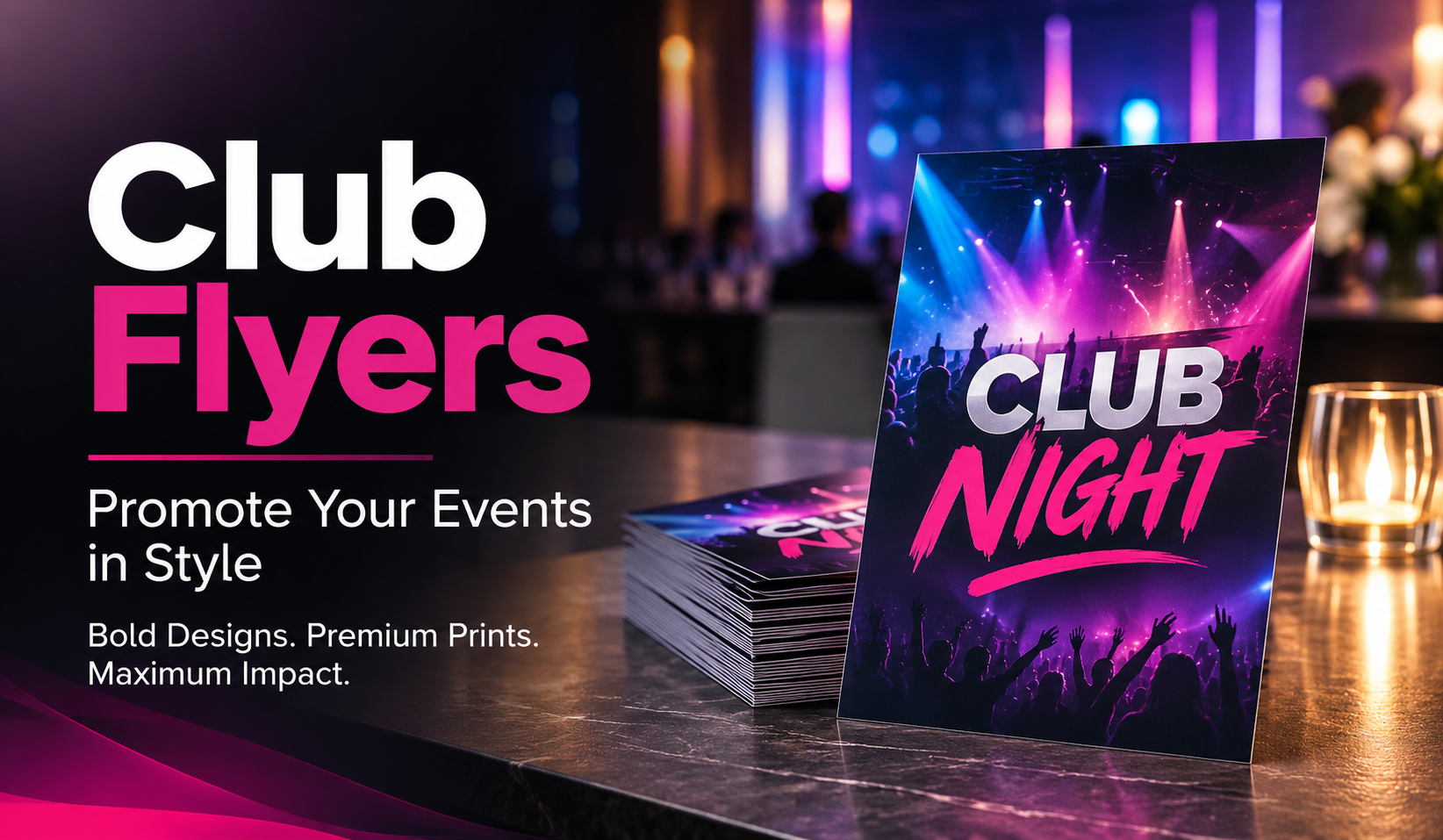

Organizing a successful event takes more than booking a venue, hiring a DJ, and announcing a date. Event promoters often spend weeks preparing the experience, yet their marketing materials fail to communicate what makes the event special. When every nightclub promotion looks similar, potential guests struggle to recognize one event brand from another.
We see this challenge frequently in event marketing. Promoters invest in entertainment and social media advertising but overlook how printed materials influence the first impression. Professionally designed Club Flyers help establish a recognizable visual identity, communicate essential event details, and connect the atmosphere of an event with the audience it hopes to attract.
A strong flyer does more than announce an upcoming party. It introduces the event's personality through typography, colors, imagery, and messaging. When these elements work together consistently, they help people recognize the brand long before they arrive at the venue.
Why Event Brand Identity Matters in Nightclub Marketing
Brand identity shapes how people recognize, remember, and describe an event. For nightclubs, lounges, music festivals, and private parties, this identity includes everything from promotional graphics to the actual guest experience. Without a consistent visual direction, even well-organized events can struggle to develop a recognizable presence.
We encourage event organizers to think beyond individual promotions. Each flyer should support the larger identity of the event series or entertainment brand. A consistent approach makes future marketing easier because returning guests can recognize familiar design elements without reading every detail.
Creating a Recognizable Event Personality
Different events appeal to different audiences, and their promotional materials should reflect those differences. An upscale rooftop party needs a different visual approach from an underground electronic music event. Colors, fonts, photography, and graphic elements help communicate these distinctions.
For example, elegant typography and restrained colors can support a sophisticated lounge experience. Bold lettering, contrasting colors, and energetic imagery may suit a late-night dance event. We find that the strongest designs connect these visual choices directly to the actual event atmosphere rather than following every new design trend.
Building Familiarity Through Consistent Design
Consistency helps audiences connect separate promotions with the same event brand. When organizers maintain similar typography, color combinations, and visual arrangements, their materials develop a familiar appearance. Over time, these elements can become recognizable features of the event.
We recommend creating a simple design system before promoting recurring events. This system should establish preferred fonts, primary colors, image styles, and logo placement. Organizers can then update dates, performers, and special announcements without changing the entire visual identity for every promotion.
How Club Flyer Design Shapes First Impressions
A promotional flyer often provides the first introduction to an event. Whether someone receives it outside a popular venue or notices it on a community noticeboard, the design must communicate its message quickly. Crowded layouts, confusing typography, and unrelated imagery can weaken that introduction.
We approach event flyer design with a clear priority: attract attention without sacrificing readability. Strong visual hierarchy allows potential guests to identify the event name, date, venue, and main attraction within seconds. Every additional design element should support that goal.
Choosing Colors That Reflect the Event Atmosphere
Color plays an important role in establishing the mood of event promotional materials. Bright colors can communicate excitement and energy, while darker combinations can create a more exclusive or dramatic appearance. The right palette depends on the event concept, audience, and existing brand identity.
We generally recommend limiting each flyer to a small collection of complementary colors. Too many competing shades can make the design appear disorganized and reduce the impact of important information. Consistent colors also help connect physical flyers with social media graphics, tickets, and event signage.
Using Typography to Communicate Brand Character
Typography influences how audiences interpret an event before reading its complete message. Modern sans-serif fonts often suit contemporary nightlife promotions, while decorative lettering can reinforce a particular music genre or themed experience. The most important consideration remains readability.
We often see organizers choose elaborate fonts because they look impressive on a computer screen. Unfortunately, those same fonts can become difficult to read when printers reproduce them at smaller sizes. We recommend testing the actual flyer dimensions and reserving decorative typography for short headlines rather than essential event information.
Selecting Images That Support the Message
Photography and graphics should help audiences understand the event experience. A live music promotion might feature performers, stage lighting, or an appropriate concert atmosphere. A themed celebration may benefit from carefully selected imagery that communicates the concept without overwhelming the layout.
Image quality matters just as much as image selection. We recommend using high-resolution artwork and reviewing every visual before printing. When organizers need to reproduce original artwork, professional artwork scanning can help preserve important visual details for digital preparation.
How Printed Club Flyers Strengthen Event Recognition
Digital marketing offers convenient ways to announce events, but printed flyers create a physical connection with potential attendees. People can collect them, share them with friends, or keep them as reminders of upcoming entertainment. This tangible format gives promoters another opportunity to reinforce their visual identity.
We see the strongest results when event organizers coordinate printed promotional materials with their online campaigns. The flyer should resemble the event's social media posts, ticket graphics, and venue signage. This connection creates a more cohesive brand experience across different audience touchpoints.
Supporting Brand Recall Through Physical Materials
A printed flyer can remain visible after someone first encounters it. Guests may place it on a desk, keep it in a bag, or pass it to someone who shares their musical interests. Each additional interaction creates another opportunity for the audience to notice the event name and visual identity.
However, physical distribution alone does not guarantee recognition. Clear branding and memorable design give people a better reason to connect the flyer with a particular event. We recommend including a consistent logo or event name treatment that remains easy to identify across future promotions.
Connecting Offline Promotions With Digital Campaigns
Printed flyers and digital advertisements should complement one another rather than compete for attention. A person who receives an event flyer may later search for tickets, check social media, or visit the organizer's website. Consistent branding makes that transition easier.
We recommend using the same headline style, primary colors, and key imagery across both formats. Organizers can also add a clear website address or QR code when it genuinely helps guests access ticket information. The objective is to create a smooth connection without adding unnecessary visual clutter.
Choosing the Right Club Flyer Printing Options
Printing choices influence how audiences perceive a promotional piece. Paper thickness, surface finish, color reproduction, and final dimensions all contribute to the flyer’s appearance. A thoughtful design can lose some of its impact when poor production choices reduce clarity or durability.
We advise event organizers to consider their distribution methods before selecting printing specifications. A flyer intended for hand-to-hand distribution may have different requirements from a premium invitation for a private event. Understanding that difference helps prevent unnecessary expenses.
Selecting Paper Stock and Finish
Paper stock affects both the physical feel and durability of promotional materials. Lightweight stock can work well for high-volume distribution, while thicker paper may suit invitation-style promotions or exclusive events. The appropriate option depends on the intended use and available budget.
Glossy finishes can enhance vivid imagery and contrasting colors, particularly when an event relies on energetic photography. Matte finishes often create a more restrained appearance and can reduce distracting reflections. We recommend comparing physical samples rather than relying only on how finishes appear on a monitor.
Preparing Artwork for Professional Printing
Print preparation deserves attention before an organizer approves the final artwork. Incorrect dimensions, low-resolution images, missing bleed, and unsuitable color settings can create production problems. Small technical mistakes can also become expensive when the order involves thousands of flyers.
We recommend preparing artwork at the printer's required dimensions, adding the specified bleed, and keeping essential text safely inside the trim area. Designers should also check image resolution and review color conversions for print. A final proof helps identify missing information, incorrect dates, and layout issues before production begins.
Determining the Right Printing Quantity
The ideal print quantity depends on the event size, promotional schedule, and distribution strategy. Ordering too few flyers may limit outreach, while printing excessive quantities can waste money and materials. We encourage organizers to estimate how many flyers their team can realistically distribute.
For recurring events, it may help to review previous attendance figures and distribution patterns. Organizers can compare the number of flyers handed out with available ticket sales data, although other advertising channels will also influence attendance. These observations support more informed purchasing decisions.
How Event Promoters Can Use Flyers to Reach the Right Audience
Effective promotion depends on more than attractive artwork. Organizers must also distribute materials where their intended audience spends time. A well-designed flyer has limited value when it reaches people who have little interest in the event.
We encourage promoters to identify their audience before deciding where and how to distribute printed materials. Music preferences, age requirements, location, event pricing, and lifestyle interests can all influence promotional decisions. A focused distribution strategy generally makes better use of a limited marketing budget.
Choosing Relevant Distribution Locations
Different events benefit from different distribution locations. Nightclubs may reach interested audiences through nearby entertainment districts, music-related businesses, and participating venues. College-oriented events may require a different approach from premium corporate celebrations or private hospitality gatherings.
We recommend prioritizing locations where organizers have permission to distribute promotional materials. Partnerships with relevant businesses can also create opportunities for more meaningful exposure. The goal is to reach potential attendees in appropriate settings rather than distribute the largest possible number of flyers.
Timing Flyer Distribution Around Event Dates
Distribution timing influences whether potential guests remember an upcoming event. Promoting too early may cause people to forget important details, while waiting until the last moment can limit their ability to make plans. The ideal schedule depends on the event type and booking requirements.
We suggest developing a promotional timeline that includes an initial announcement, a follow-up period, and reminders closer to the event. Printed flyers can support each stage alongside social media updates and email communication. Consistent messaging helps maintain awareness without requiring a completely new design every time.
Common Club Flyer Design Mistakes That We Recommend Avoiding
Event organizers often try to include too much information on a single flyer. Multiple performers, sponsor logos, promotional offers, and decorative effects can quickly overwhelm the available space. As a result, audiences may struggle to identify the details that matter most.
We recommend reviewing each design from the perspective of someone who has never heard of the event. If the event name, date, location, or main attraction requires too much effort to find, the layout needs improvement. Clear communication should guide every design decision.
Overcrowding the Layout With Unnecessary Details
Limited space requires careful content selection. A flyer does not need to explain every part of the event experience, especially when a website or ticketing page can provide additional details. Too much copy competes with the headline and weakens the overall visual hierarchy.
We suggest keeping the main message concise and organizing supporting information into clear sections. Strong spacing helps separate essential details from secondary information. Removing unnecessary elements often improves a design more effectively than adding more graphics.
Changing the Brand Style for Every Event
Some organizers redesign their promotional materials completely whenever they announce a new event. Although experimentation can produce attractive graphics, frequent changes may prevent audiences from developing familiarity with the brand. This becomes particularly challenging for recurring nightlife events.
We recommend maintaining a recognizable design foundation while allowing room for seasonal themes and special performances. Colors, logos, and typography can remain consistent even when imagery changes. This approach helps organizers balance creativity with long-term brand recognition.
Ignoring Print Quality and Final Proofing
A design that looks sharp on a large monitor may not perform equally well in print. Small text, insufficient contrast, and unsuitable images can reduce readability. Incorrect event details create an even more serious problem because guests rely on that information when planning their attendance.
We recommend checking a print-ready proof carefully before approving production. Event organizers should verify dates, times, addresses, ticket details, and contact information. A simple review process can prevent unnecessary reprints and protect the event's professional image.
Building a Long-Term Event Brand Through Consistent Flyer Marketing
Event branding develops through repeated, recognizable experiences. One attractive flyer may generate interest, but a coordinated series of promotional materials helps establish continuity. Organizers who maintain that consistency create more opportunities for guests to connect individual events with a familiar brand.
We encourage promoters to preserve successful design elements and improve them gradually. A consistent framework can accommodate new performers, venues, sponsorships, and promotional themes without sacrificing recognition. This approach also helps marketing teams work more efficiently as the event calendar grows.
Creating Reusable Flyer Design Templates
Reusable templates can simplify the production process for recurring events. Organizers can establish standard positions for headlines, event information, branding, and key imagery. Designers can then make relevant updates while maintaining a cohesive appearance.
We recommend keeping templates flexible enough to support different event formats. A special guest performance may require stronger emphasis on an artist image, while a themed party may need more room for visual storytelling. The template should provide structure without restricting useful creativity.
Learning From Audience Feedback and Campaign Results
Understanding how audiences respond to promotional materials can help improve future campaigns. Organizers can ask guests where they discovered an event, review ticketing data, and compare engagement across different promotional channels. These observations can reveal which messages and distribution methods deserve more attention.
We also recommend evaluating practical details such as printing expenses, distribution coverage, and design turnaround times. No single measurement can explain every ticket sale, especially when organizers run several campaigns simultaneously. However, consistent recordkeeping supports better decisions and helps reduce repeated marketing mistakes.
Frequently Asked Questions About Club Flyers
1. How do club flyers help build event brand identity?
Club flyers communicate an event's personality through consistent colors, typography, imagery, and messaging. They help audiences recognize the event across multiple promotions and connect its visual appearance with the experience organizers offer. We recommend maintaining recognizable design elements across printed and digital marketing materials to strengthen that connection.
2. What information should a professional club flyer include?
A professional flyer should clearly display the event name, date, time, location, and main attraction. Organizers may also include ticket information, admission requirements, and a website or QR code when necessary. We recommend prioritizing essential details and avoiding unnecessary text that makes the design difficult to scan.
3. Which paper finish works best for nightclub flyers?
Glossy paper often suits vibrant event photography and bold promotional graphics, while matte paper works well for understated or luxury-oriented designs. The right finish depends on the event's visual identity, distribution method, and budget. We suggest reviewing printed samples before making a final decision for large orders.
4. Are printed club flyers still useful alongside social media advertising?
Yes, printed flyers can complement digital campaigns by reaching audiences through physical venues, local businesses, and direct distribution. They also provide another opportunity to reinforce recognizable event branding. We recommend coordinating flyer designs with social media content and evaluating both channels as parts of the same marketing strategy.
Conclusion: Strengthening Event Identity With Thoughtful Club Flyer Design
Successful event branding requires consistency, clear communication, and an understanding of the audience. Well-designed club flyers contribute to these goals by presenting a recognizable identity and communicating the atmosphere of an upcoming event. Their effectiveness depends on thoughtful typography, relevant imagery, appropriate printing choices, and strategic distribution.
We believe event organizers achieve better long-term value when they treat promotional materials as part of a broader branding strategy rather than isolated advertisements. Consistent design, careful artwork preparation, and attention to production details help create professional marketing materials that audiences can recognize and understand.
At Laguna Digital, we understand the importance of balancing design quality, practical printing requirements, and marketing objectives. Whether you are preparing a single event or developing a recurring entertainment series, start with a clear visual identity and choose print materials that support your message. Explore professional printing options that fit your event goals, budget, and distribution plans.


