
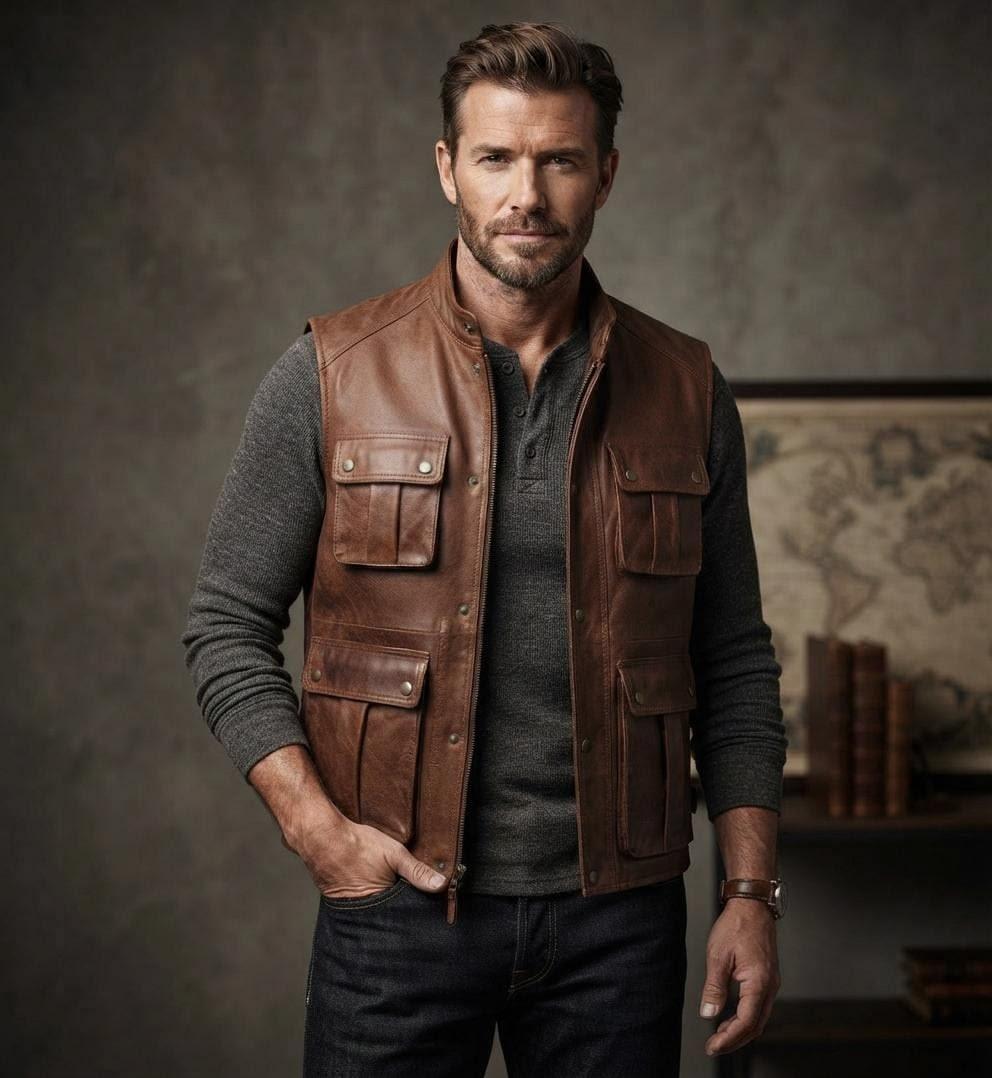
What Causes Leather Vest Pockets to Stretch Over Time?
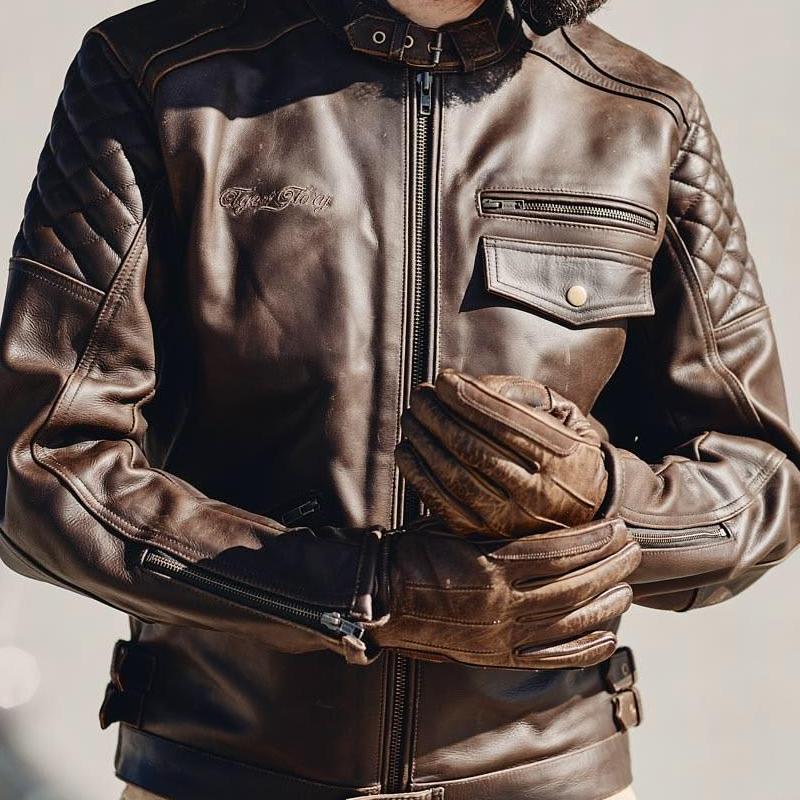
Leather vest pockets can gradually stretch, sag, or lose their original shape after years of regular use. The change usually happens slowly as weight, repeated hand movement, moisture, body heat, and tension work on the leather and pocket construction. A pocket that once sat flat against the vest may eventually develop a rounded opening, stretched corners, or a noticeable bulge where the rider regularly carries the same item.
Some stretching is a normal part of leather aging, but excessive distortion usually comes from how the pocket is used. Heavy objects, oversized phones, thick wallets, keys, tools, and repeated overloading can place constant pressure on the leather, lining, stitching, and pocket opening. Understanding where that stress comes from makes it easier to preserve pocket shape without giving up useful storage.
Leather Naturally Responds to Repeated Pressure
Leather is flexible rather than completely rigid. When the same section is repeatedly pulled or loaded, the fibers gradually adapt to that shape.
This is part of the reason leather garments become more comfortable with wear, but the same process can affect pockets negatively. If an object constantly pushes against one section of a pocket, the leather may begin molding around it. Once enough stretching occurs, the pocket may not return fully to its original shape after the item is removed.
Heavy Pocket Contents Are the Biggest Cause
Weight is one of the most direct causes of pocket stretching. A large phone, thick wallet, key bundle, multitool, or other heavy object pulls downward on the pocket every time the vest is worn.
The problem becomes more noticeable when the object stays in the same pocket ride after ride. Over time, gravity and motorcycle movement work together to stretch the pocket bag, opening, and surrounding leather. A mens leather motorcycle vest should provide practical storage, but the pockets should not be treated as replacements for motorcycle luggage.
Pocket Size Does Not Equal Safe Carrying Capacity
A pocket may physically fit a large object without being designed to carry that object's weight regularly. Riders sometimes assume that if something fits inside, the pocket can safely support it.
The actual load depends on the leather thickness, pocket construction, lining material, stitching, and how the pocket attaches to the main vest panel. A deep pocket can still stretch if a heavy object repeatedly pulls against its bottom corners. Capacity should be judged by weight as well as available space.
Large Phones Can Reshape Pockets
Modern smartphones are large enough to place continuous pressure against pocket edges, particularly when paired with thick protective cases. If the phone closely fills the entire pocket, its corners can push outward every time the rider sits or bends.
Over time, the pocket may begin taking on the rectangular shape of the device. This is especially common when the same phone remains inside for long rides. A pocket that is slightly larger than the device reduces pressure, but very heavy phones can still create downward stretch.
Thick Wallets Create Constant Outward Pressure
Wallets usually stretch pockets differently from phones. Instead of pulling mainly downward, a thick wallet pushes the front of the pocket away from the vest.
Repeated use can create a permanent bulge even when the wallet is removed. Reducing unnecessary cards, receipts, coins, and other contents lowers the pressure placed on the pocket. Riders who carry particularly thick wallets may be better off using pants or secure motorcycle storage.
Key Bundles Concentrate Weight in Small Areas
Keys can appear lightweight, but a large key ring creates concentrated pressure against a relatively small section of leather. Metal edges may also rub against the pocket interior as the motorcycle vibrates.
This combination can stretch the pocket while wearing the lining. Separate the motorcycle key from unnecessary keys whenever practical. Fewer items reduce weight, bulk, noise, and abrasion inside the pocket.
Tools Should Usually Be Stored Elsewhere
Small tools, folding knives, large multitools, and other dense objects can put considerable load on leather pockets. Their hard edges can also create pressure points that gradually mark the leather.
Tools are generally better carried in motorcycle luggage, tool rolls, or another appropriate storage location. Keeping dense items out of vest pockets preserves their shape and prevents uncomfortable pressure against the rider during a fall or sudden movement.
Repeated Hand Access Can Stretch the Opening
A pocket does not need to carry heavy objects to stretch. Repeatedly pushing a hand into a tight opening places outward pressure on the top edge.
Over hundreds of uses, the opening may gradually become wider or curl outward. This is especially likely if the rider pulls aggressively on the edge while reaching inside. Using the pocket naturally and avoiding unnecessary pulling helps preserve the original opening.
Tight Pockets Can Stretch Faster Than Properly Sized Ones
A pocket that barely fits the item being carried remains under tension every time that object is inserted. The leather has to expand slightly around it, then contract again when the object is removed.
Repeated cycles can eventually leave the material stretched. A properly sized pocket should allow normal access without needing to force the item through the opening. Riders should avoid choosing storage based solely on whether an item can technically be squeezed inside.
Pocket Corners Carry a Lot of Stress
The lower corners of a pocket often absorb most of the load from heavy contents. Weight naturally settles downward and pushes against these areas as the rider moves.
Over time, the corners may become rounded, stretched, or visibly lower than they were originally. Strong stitching and reinforced corner construction can slow this process, but no pocket remains unaffected by excessive load indefinitely.
Stitching Can Stretch Before the Leather Does
Sometimes what appears to be stretched leather is actually movement around the seams. Thread tension may loosen slightly, or the holes around the stitching can begin elongating.
Inspect the seam carefully if a pocket starts sagging. Look for wider stitch holes, loose thread, or separation between the pocket and the main panel. Early seam repair can prevent the pocket from pulling farther away from the vest.
Thin Leather Usually Distorts More Easily
Leather thickness affects how much structure a pocket maintains. Thinner leather can feel lighter and more flexible, but it may also respond more quickly to repeated loading.
Thicker leather generally resists distortion better, although construction quality still matters. A thick pocket with weak stitching can fail sooner than a thinner pocket built with strong reinforcement. Riders should evaluate the complete pocket rather than assuming thickness alone determines durability.
Softer Leather Can Mold Around Objects
Soft, broken-in leather often feels excellent against the body, but it also conforms more readily to whatever is placed inside the pocket.
This can make repeated pocket contents increasingly visible from the outside. A phone or wallet may leave a recognizable outline after enough use. The change is not necessarily damage, but it can become permanent if the pocket remains under constant pressure.
Over-Conditioning Can Make Stretching Worse
Conditioner helps when leather is genuinely dry, but applying too much can make the material excessively soft. Over-softened leather may lose some of the structure that helps pockets hold their shape.
Avoid applying heavy amounts of conditioner around pocket openings simply because the area feels flexible. Condition the vest according to the actual condition of the leather rather than on a frequent fixed schedule. Healthy leather should remain flexible without feeling oily or limp.
Dry Leather Can Develop a Different Problem
While overly soft leather may stretch, extremely dry leather can become less flexible and more vulnerable to cracking around stressed pocket openings.
This is why balanced care matters. Leather should not be allowed to become brittle, but it also should not be saturated with conditioning products. A pocket needs enough flexibility to accommodate normal use while retaining structural support.
Moisture Temporarily Makes Leather More Vulnerable
Wet leather can become softer and more easily distorted. If heavy items remain inside pockets while the vest is soaked from rain, the weight can pull the damp material into a stretched shape.
After a wet ride, empty the pockets and allow the vest to dry naturally. Do not leave a phone, wallet, or other heavy object inside while the leather dries. Drying around an object can encourage the pocket to retain that expanded shape.
Sweat and Humidity Affect Pocket Areas Too
Rain is not the only source of moisture. Sweat and humid riding conditions can introduce moisture from inside the garment.
Interior pockets may be especially affected because they sit close to the body and receive less airflow. If the pocket becomes damp, empty it after the ride and allow the vest to air. Repeated moisture combined with heavy contents can gradually alter both the pocket bag and surrounding leather.
Interior Pockets Can Stretch Differently
Internal storage is useful because it keeps valuables secure and out of direct wind, but interior pockets are still subject to weight and repeated movement.
The lining may stretch before the outer leather shows any change. If an interior pocket begins hanging lower, inspect both its fabric bag and the stitching that attaches it to the vest. A damaged interior pocket can continue sagging even when the outer leather remains in good condition.
Concealed Carry Pockets Need Proper Load Support
Some riding vests include concealed carry pockets designed with additional structure and support. These pockets should be used only according to their intended design and capacity.
The presence of a larger internal pocket does not mean every surrounding pocket can support similar weight. A purpose-built reinforced compartment distributes load differently from a standard storage pocket. Riders should follow the garment manufacturer's intended use for specialized pockets.
Pocket Lining Quality Matters
Many leather pockets include fabric lining or an internal pocket bag. This material carries much of the actual load even though the outer leather receives most of the visual attention.
A thin lining may begin sagging, tearing, or separating after repeated use. Strong pocket bags and reinforced attachment points help preserve shape. If a pocket suddenly appears deeper than before, the lining may have stretched even if the leather opening looks unchanged.
Zippered Pockets Still Stretch
A zipper helps secure the opening, but it does not prevent the pocket bag from stretching underneath. Heavy contents still pull downward while the motorcycle moves.
The zipper tape can also experience stress if the pocket is overfilled. If the zipper looks curved or strained when closed, too much pressure is being placed inside the compartment. Removing some contents can prevent permanent deformation.
Overfilled Pockets Put Stress on Closures
Snaps and zippers are designed to secure the pocket, not compress an oversized load. Stuffing the compartment until the closure barely reaches places constant outward pressure on both the hardware and surrounding leather.
This can stretch the opening and distort the pocket shape. If a snap repeatedly pops open or a zipper becomes difficult to close, reduce the contents rather than forcing the closure.
Motorcycle Vibration Adds Repeated Movement
Objects inside a pocket do not remain completely still while riding. Road vibration and motorcycle movement cause them to shift, bounce, and press against different parts of the pocket.
Over thousands of miles, even a moderate load can create wear through this repeated motion. Heavy objects increase the effect because each movement places more force on the leather and stitching. Secure, lightweight contents are easier on the pocket.
Riding Position Changes Pocket Pressure
A pocket that looks relaxed while standing may become compressed or stretched when the rider sits on the motorcycle. The torso bends, the stomach changes shape, and the lower front of the vest may contact the body differently.
Large objects can become trapped between the rider and the vest, pushing outward against the pocket. Always evaluate storage while seated, particularly with lower front pockets. If an object feels uncomfortable in riding position, it is probably also creating unnecessary strain on the garment.
Lower Pockets Are Often More Vulnerable
Lower vest pockets may experience more compression from the rider's waist, motorcycle seat, or riding posture. They can also carry more weight because they are usually larger than upper pockets.
If constantly overloaded, these areas may begin sagging or sticking outward. Avoid filling lower pockets simply because they offer more room. Distribute only lightweight essentials and move heavier equipment elsewhere.
Chest Pockets Can Distort the Front Panels
Chest pockets are convenient for small objects, but heavy contents can pull the upper front panel downward. This may affect how the whole vest hangs.
A loaded chest pocket may also create uneven weight from one side to the other. Keep these pockets relatively light so the shoulders and front closure remain balanced. The pocket should provide access, not significantly change the garment's posture.
Uneven Pocket Loading Can Twist the Vest
Carrying heavy items in only one side of the vest can create asymmetrical tension. One pocket may stretch while the opposite side retains its original shape.
Over time, the vest itself may begin hanging differently because one front panel is constantly weighted. Distributing small items evenly can reduce this effect, although the better solution for substantial loads is external motorcycle storage.
Patch-Heavy Vests Already Carry Extra Weight
A patch-covered womens leather biker vest may already have additional weight across the back and shoulders. Adding heavily loaded pockets increases the total stress on the garment.
This does not mean patched vests should not use their pockets, but pocket weight deserves more attention. Keeping the front storage relatively light helps balance the added structure and weight from the patches behind the rider.
Side Adjustments Can Affect Pocket Tension
Side laces, straps, or adjustable panels change the way the front of the vest sits against the torso. Tightening them significantly can also change the angle and tension around nearby pockets.
If pockets suddenly appear pulled or distorted after a fit adjustment, check whether the sides have been tightened too aggressively. The vest should follow the body without putting the front panels under unnecessary tension.
A Vest That Is Too Tight Can Stretch Its Pockets
Sometimes the items inside the pocket are not the main problem. If the vest itself is too tight, normal body movement can place continuous tension across the pocket opening.
When the rider sits, reaches forward, or breathes deeply, the front panels may pull outward. Pockets positioned in these areas experience the same stress. Proper overall vest fit reduces unnecessary stretching even when the pockets are empty.
Oversized Vests Can Create Different Pocket Stress
A vest that is too loose may allow pocket contents to swing more freely. That movement creates repeated downward and sideways force during riding.
Correct fit helps the entire garment remain stable, including its pockets. The goal is not to make the vest tight, but to limit unnecessary movement while preserving comfortable mobility.
Heat Can Make Leather More Flexible
Leather often becomes more flexible as it warms from body heat and outdoor temperature. During hot rides, a heavily loaded pocket may therefore mold around its contents more readily.
This is another reason to keep dense objects out of leather storage areas during long summer rides. Heat alone does not automatically damage the pocket, but heat combined with sustained pressure can encourage shaping.
Frequent Use Creates a Personal Pocket Shape
Some pocket stretching is simply the result of years of normal use. Leather naturally develops character and begins reflecting the habits of its owner.
A slight outline from a frequently carried item may be considered normal patina rather than damage. Concern becomes greater when the pocket sags significantly, closures no longer align, stitching stretches, or the leather becomes visibly distorted even when empty.
How Can Riders Reduce Pocket Stretching?
The easiest way to preserve pocket shape is to reduce the amount of sustained weight and pressure placed inside. Riders do not need to stop using their pockets, but they should be selective about what goes in them.
Useful habits include:
-
Carrying lightweight essentials only
-
Avoiding bulky wallets and oversized key rings
-
Moving tools and heavy items to motorcycle luggage
-
Emptying pockets after every ride
-
Removing contents before the vest dries after rain
-
Avoiding over-conditioning around pocket areas
-
Keeping zippers and snaps free from excessive tension
-
Checking pocket seams periodically
-
Distributing small items evenly between sides
-
Avoiding forcing oversized objects into tight pockets
These habits reduce cumulative stress while keeping the storage functional.
Empty the Pockets During Storage
Long-term storage is not the time to leave anything inside a vest pocket. Even relatively light objects can create a permanent outline if they remain in place for several months.
Empty every interior and exterior compartment before hanging the vest. This allows the leather to rest without tension. It also prevents forgotten objects from introducing moisture, stains, or unnecessary weight.
Use a Proper Hanger
A strong broad hanger supports the shoulders and helps the vest hang evenly. This becomes particularly useful if the pockets have experienced some stretching.
Do not try to reshape sagging pockets by hanging heavy objects elsewhere on the garment. The vest should rest naturally during storage. Good support allows gravity to work evenly rather than adding new distortion.
Can a Stretched Pocket Return to Its Original Shape?
Minor stretching may relax somewhat after the pocket is emptied and the vest is stored properly. Leather can recover part of its shape if the distortion has not become severe.
Deeply stretched leather, elongated stitch holes, or permanently expanded pocket bags are less likely to return completely on their own. Avoid soaking or heating the pocket in an attempt to shrink it because this can create more damage. Significant deformation is better assessed by a leather repair professional.
When Should a Pocket Be Repaired?
Aesthetic sagging does not always require repair, but structural changes should be addressed earlier. Watch for loose stitching, torn lining, elongated stitch holes, zipper separation, damaged snaps, or leather beginning to tear around the corners.
Repairing these issues while they are still small can preserve the surrounding material. Continuing to load a damaged pocket usually makes the repair larger and more complicated.
Conclusion
Leather vest pockets stretch over time because leather responds to repeated pressure, weight, heat, moisture, and movement. Heavy phones, thick wallets, keys, tools, overloaded pockets, and repeated access can gradually pull the leather, lining, seams, and pocket openings away from their original shape. Moisture and excessive conditioning can make the material more vulnerable to distortion, while poor vest fit can place additional tension on the pockets even when they are empty.
The best way to preserve pocket shape is to keep loads light, use the right storage location for heavier equipment, empty the vest after riding, and inspect seams before small problems become structural. Some molding and patina are normal as leather ages, but significant sagging, stretched stitch holes, or damaged closures should not be ignored.
For riders looking for leather motorcycle vests with practical storage and riding-focused construction, Unik International offers options designed for different riding needs and everyday use. Contact Unik International to explore available styles and choose a vest with pocket placement and construction that fits the way you actually ride.


